


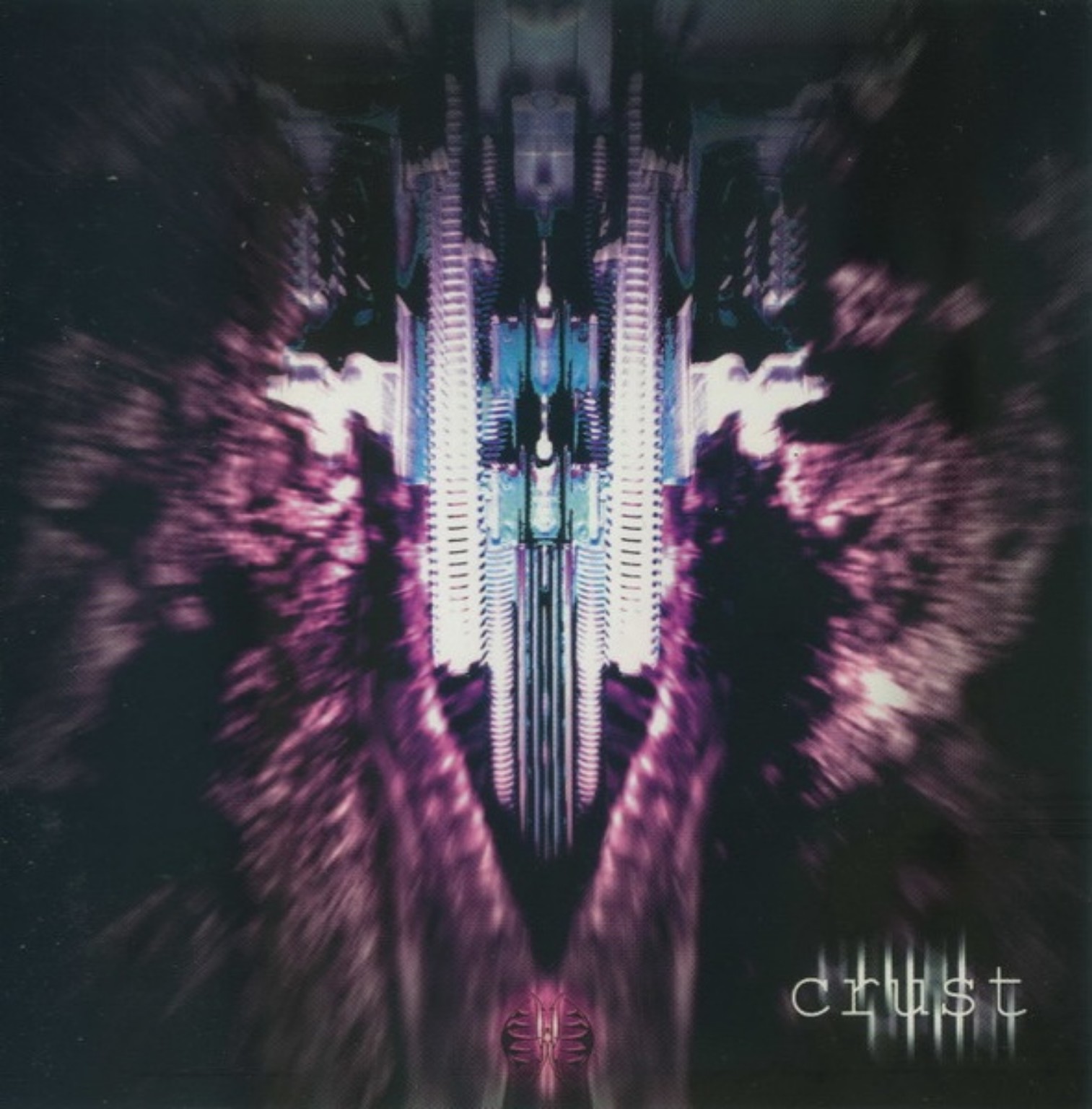
PROGRESSIVE / TECHNICAL DEATH METAL · 1997 · Album study
Sadist — Crust
A nine-chapter, source-indexed study with 80 notes and a 13-question interview in five languages.
Alongside the Hungarian, English and German album features, some are also available in additional languages, including Slovak, Polish, Romanian, Russian, Ukrainian, Spanish and others.
Explore in-depth metal album analyses, historical research and literary album narratives.
In the history of metal, the glorious albums and groundbreaking releases of the 1980s still hold an unquestioned place. Yet, as time has passed, the legacy of the 1990s seems to have faded ever further from view.
During the 1990s, the rise of electronic music and the two- or three-minute hits promoted by radio stations and music television channels—songs designed for instant success—flooded the world. At the same time, one declaration was heard with increasing frequency: “Metal is dead.”
That attitude left such a deep mark on popular musical consciousness that its effects can still be felt today. Metal from the 1990s is too often pushed undeservedly into the background, even though it is hard to name another decade that enriched the genre with so many new directions, experiments and musical innovations.
Consider the emergence of gothic metal, melodic doom metal, death/doom metal and symphonic black metal! During that same decade, technical death metal also underwent decisive development, laying many of the foundations of the modern style we know today.
There is scarcely a metal subgenre that remains important today whose roots, development or later character cannot be connected in some way to the 1990s.
And yet, when we speak about the history of metal, we most often celebrate the glorious 1980s and then, almost without noticing, move straight on to the 2000s and 2010s. As if the extraordinarily fertile decade in between had been nothing more than a transitional period.
But the 1990s were not a time of metal’s decline: they were one of its most exciting periods of transformation and renewal.
The Open Metal Album Library was created to restore this undeservedly overlooked legacy to its rightful place alongside the great classics of the 1980s.
Our aim is to present the defining albums, demos and often-forgotten releases of the era. Works that may not have changed metal across the entire world, but made a lasting impact on a city, a region, a country or even a whole generation. Others crossed geographical and cultural boundaries, opening new musical paths worldwide.
We do not want to remember only the best-known names. We consider the smaller, often long-forgotten bands and releases just as important: without them, the history of metal would look very different today.
This site was born from an immense passion for the metal of the 1990s, a deep respect for it, and a desire to preserve its memory.
We want to do more than present albums. We want to bring the atmosphere, stories, creators and spirit of an era back to life.
Welcome—and read these stories with the same passion that we put into creating them!
If you share our passion for the metal of the 1990s and would love to tell the story of an album or demo especially close to your heart, we would be delighted to welcome you to the Open Metal Album Library team!
We are looking for enthusiastic metal fans who, like us, care about preserving the forgotten treasures of the era and would enjoy creating thoroughly researched, story-driven writing with a literary touch, in the spirit of the album histories you can read here.
What matters is not how famous your chosen band is, but whether it has a story worth telling.
If you would like to join us, write to us and tell us which 1990s album you would like to explore!
Contact: [email protected]
Open Metal Album Library
A nine-chapter, source-indexed study with 80 notes and a 13-question interview in five languages.
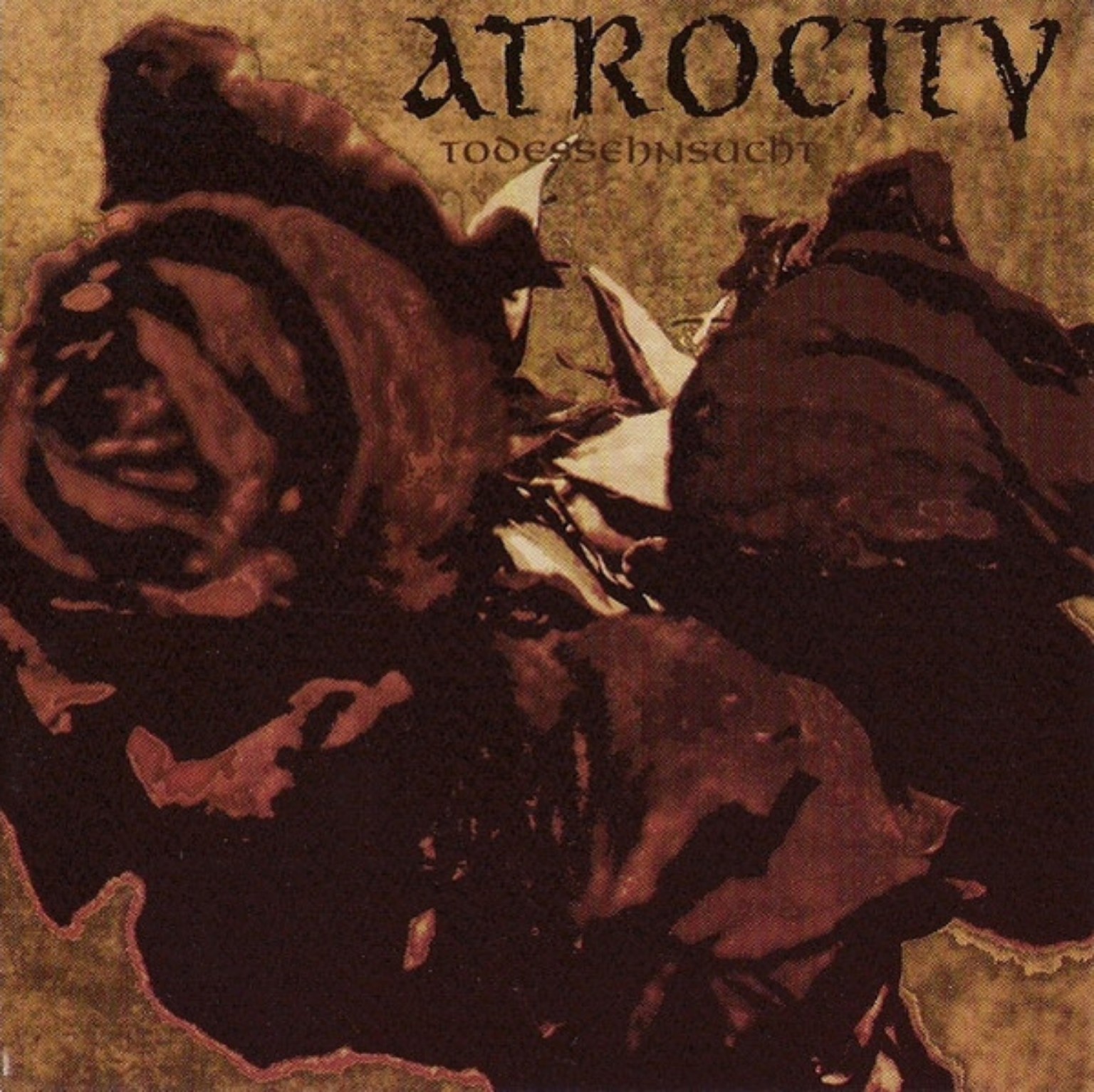
Read the full ten-chapter study with 134 detailed notes in the language you prefer.
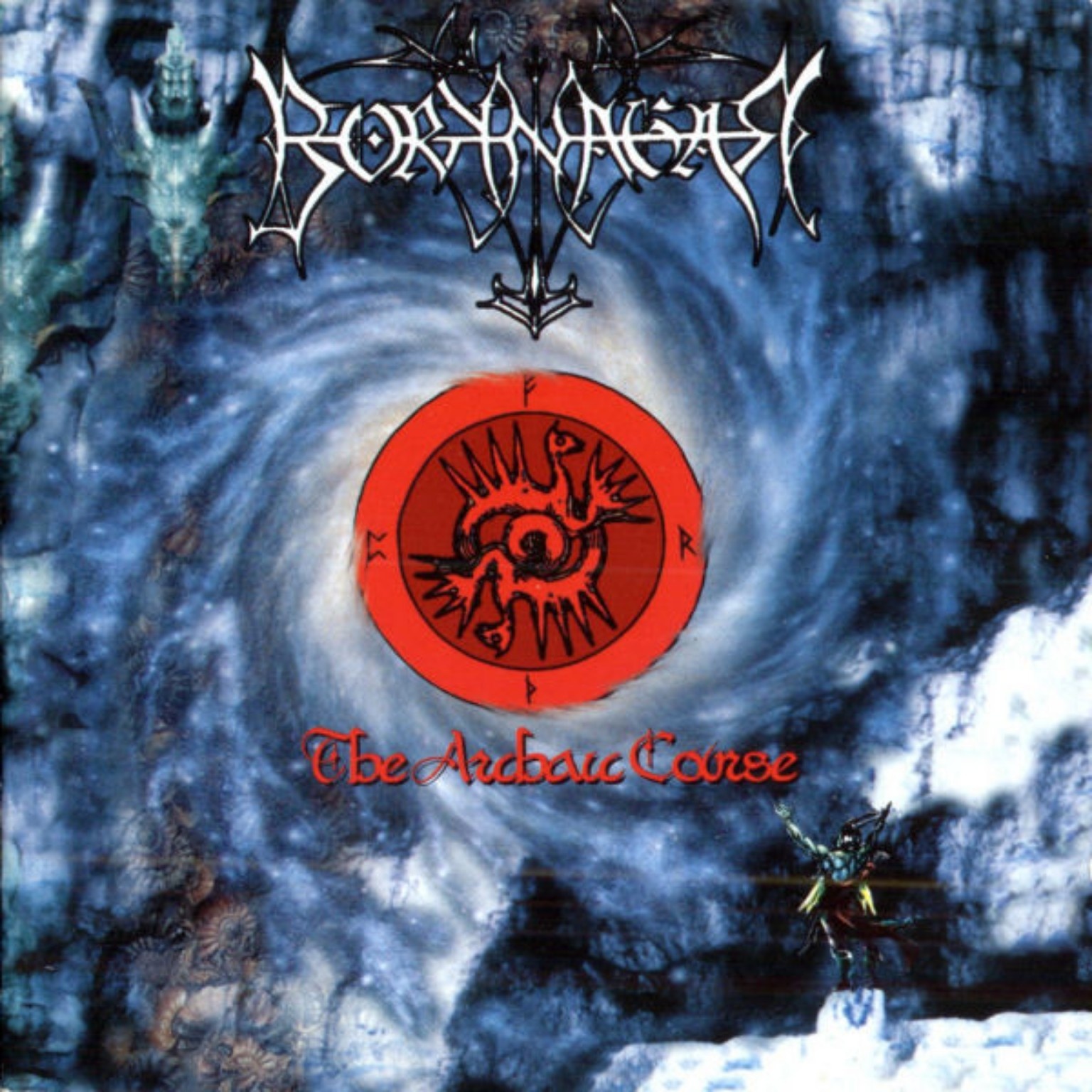
Read the complete five-chapter, source-indexed work in your preferred language.
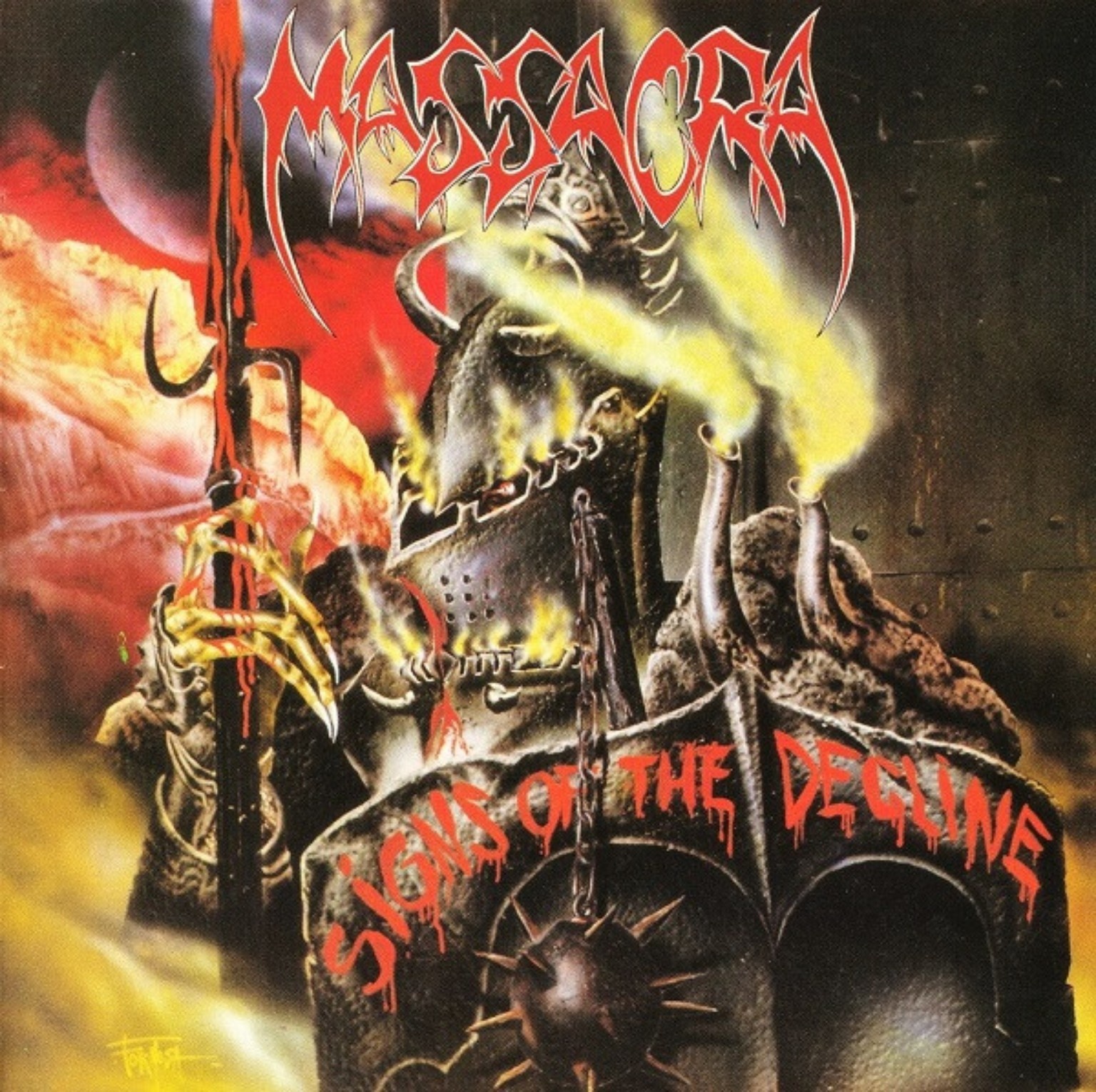
Read the complete work in your preferred available language.
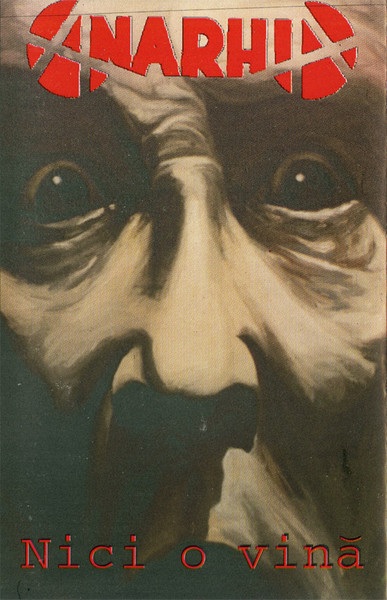
Read the complete work in your preferred available language.
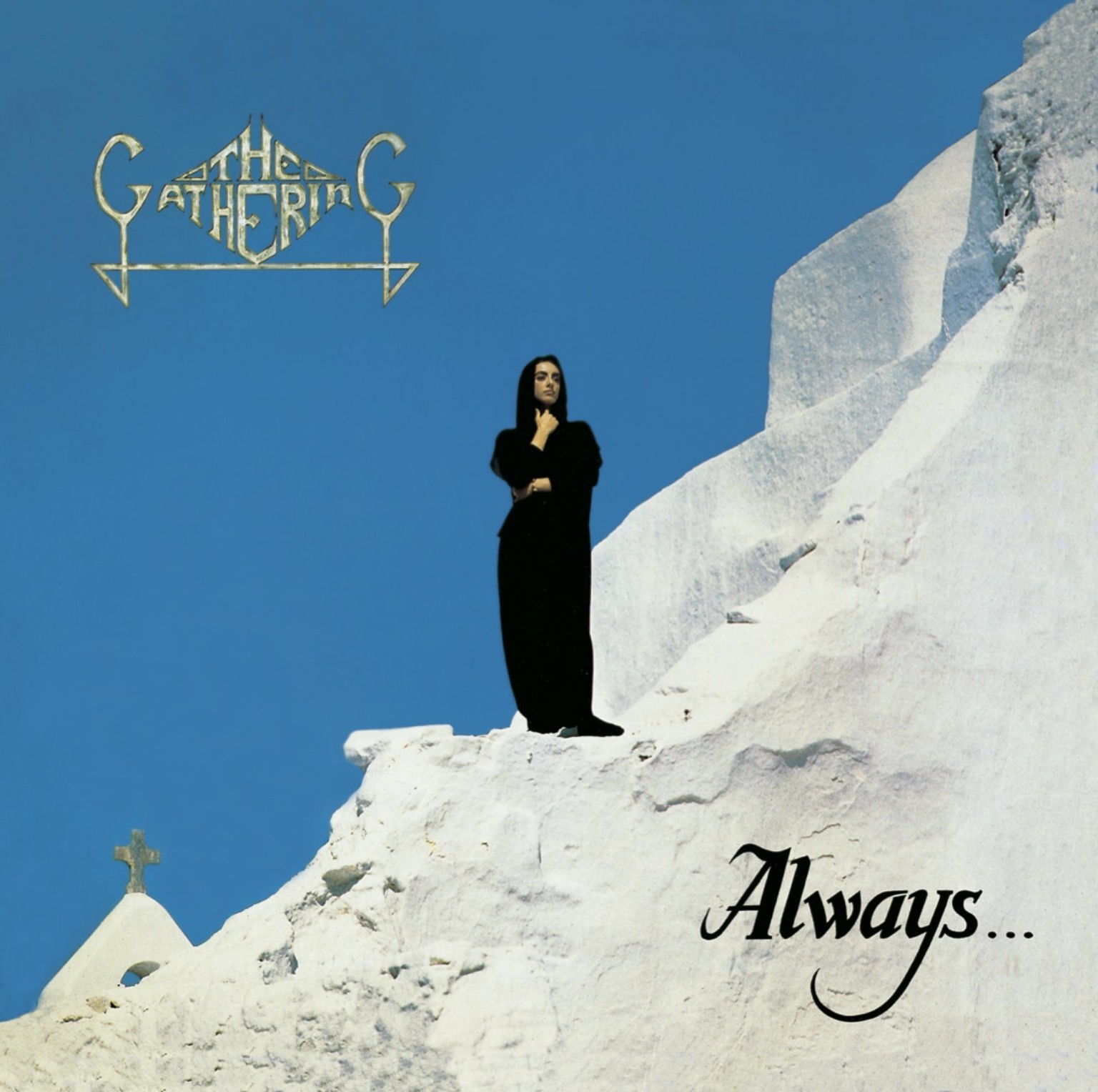
Read the complete work in your preferred available language.
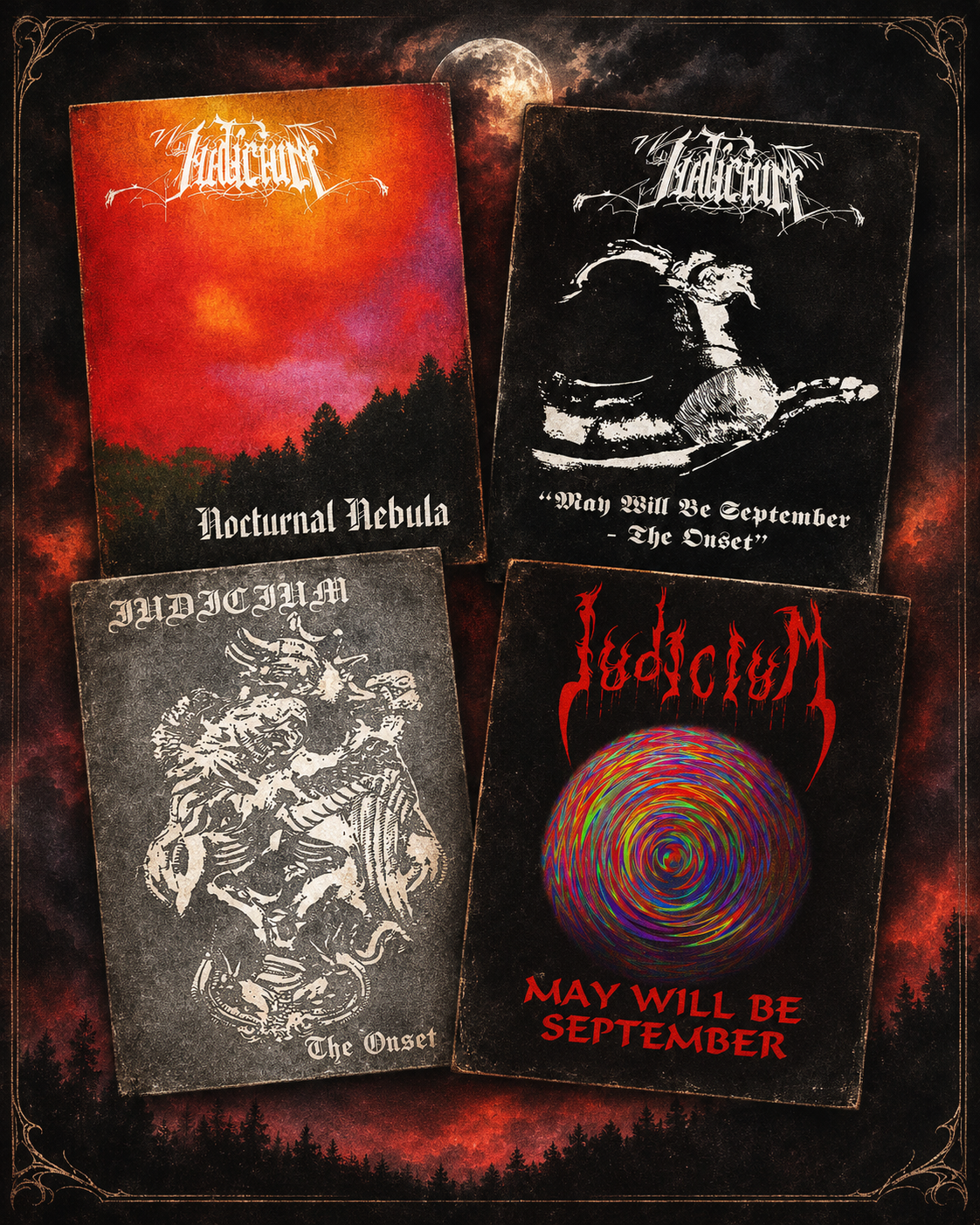
Read the complete work in your preferred available language.
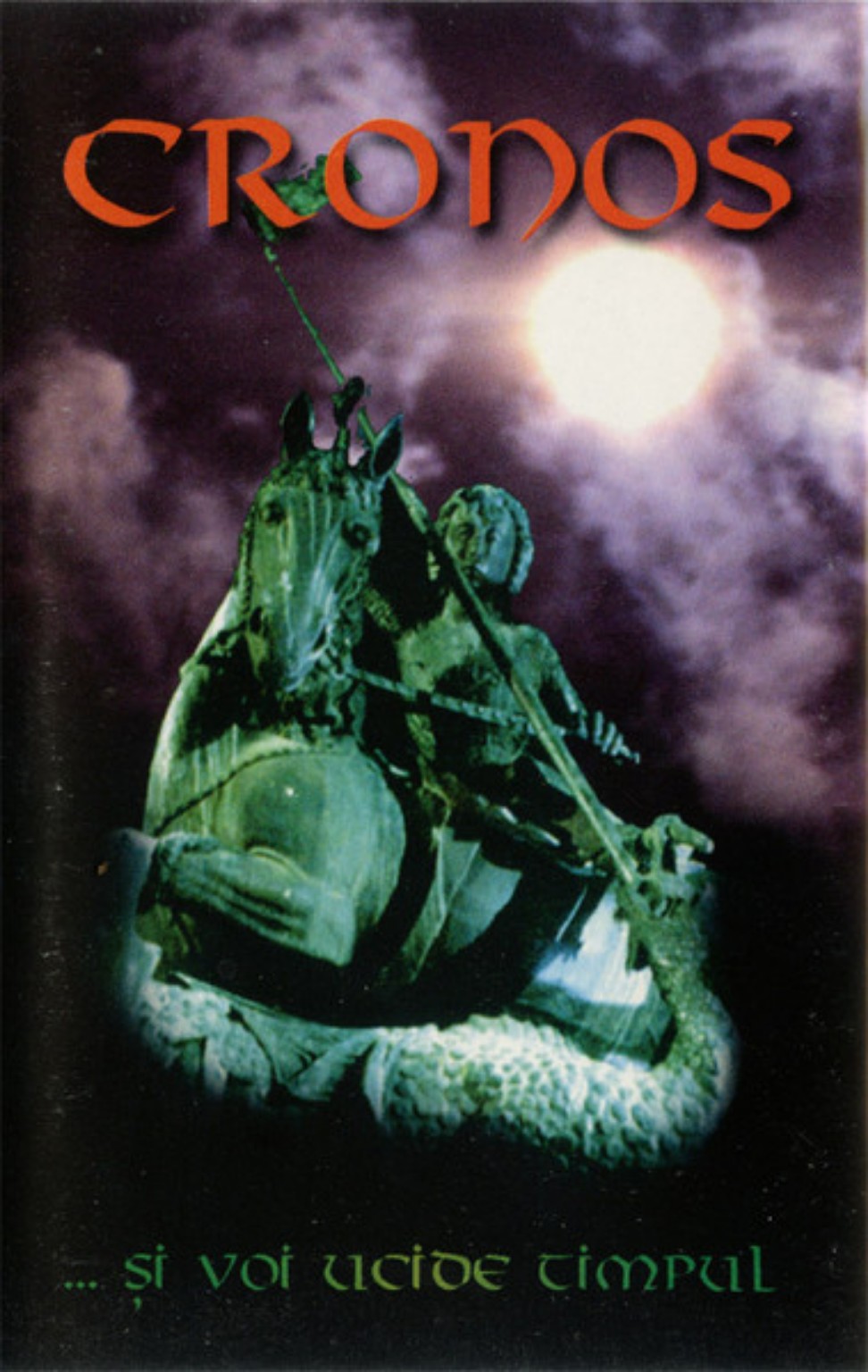
Read the complete work in your preferred available language.
Read the complete work in your preferred available language.
Read the complete work in your preferred available language.
Read the complete work in your preferred available language.
Read the complete work in your preferred available language.
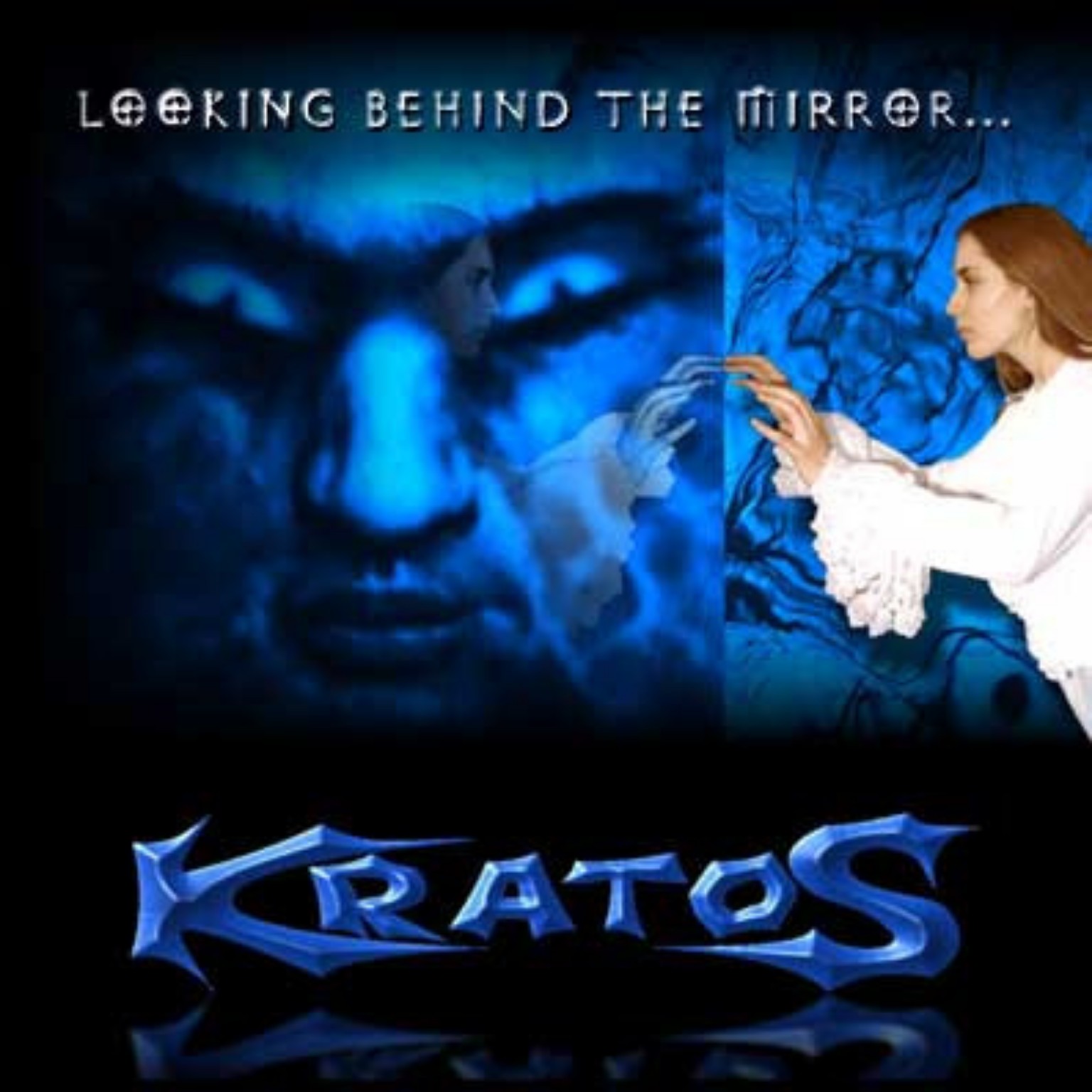
The complete 14-chapter, source-indexed English history of Kratos’ Looking Behind the Mirror… (1999).
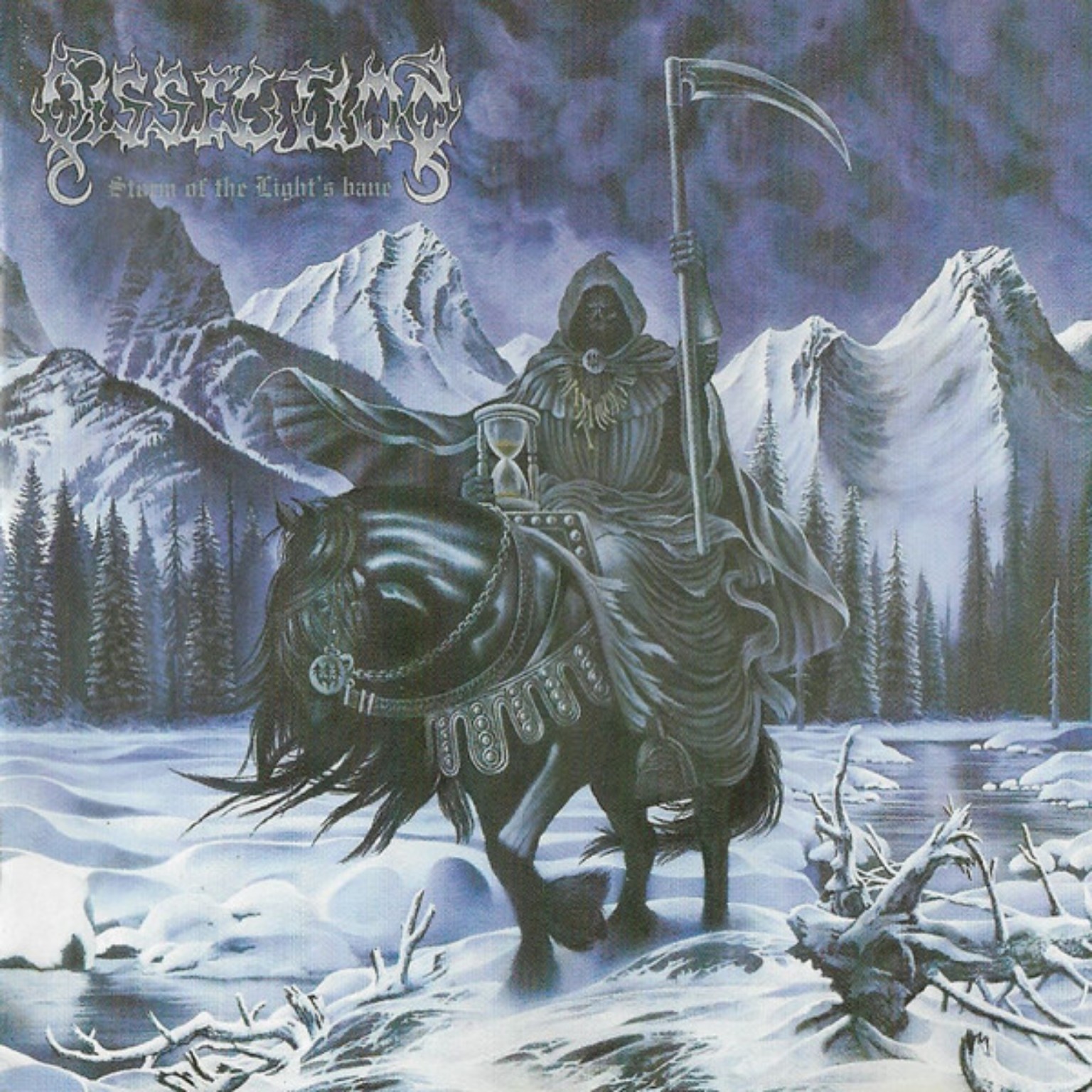
The complete 14-chapter, source-indexed history of Dissection’s Storm of the Light’s Bane (1995).
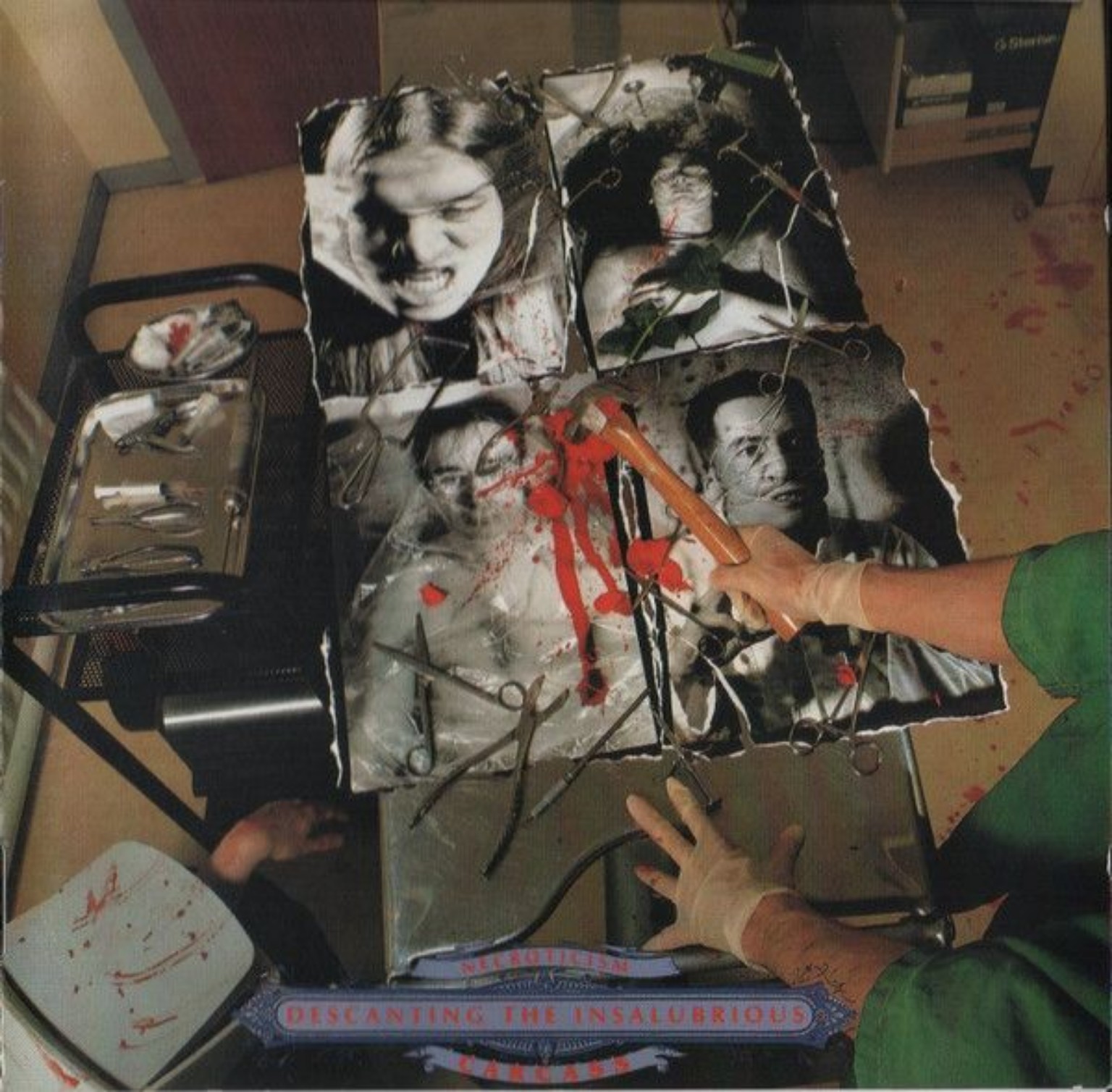
In-depth album history in English, Hungarian and German.
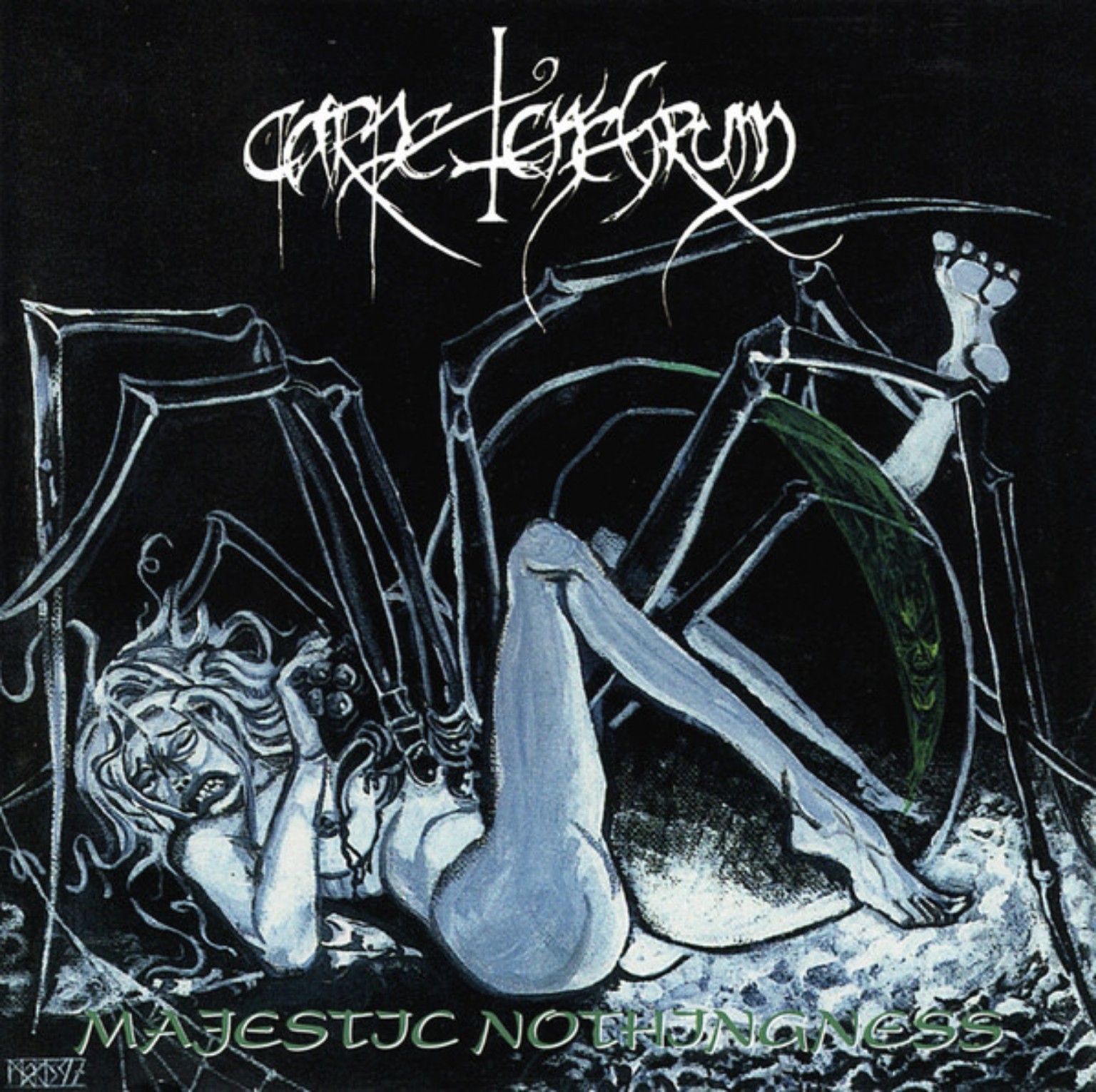
In-depth album history in English, Hungarian and German.
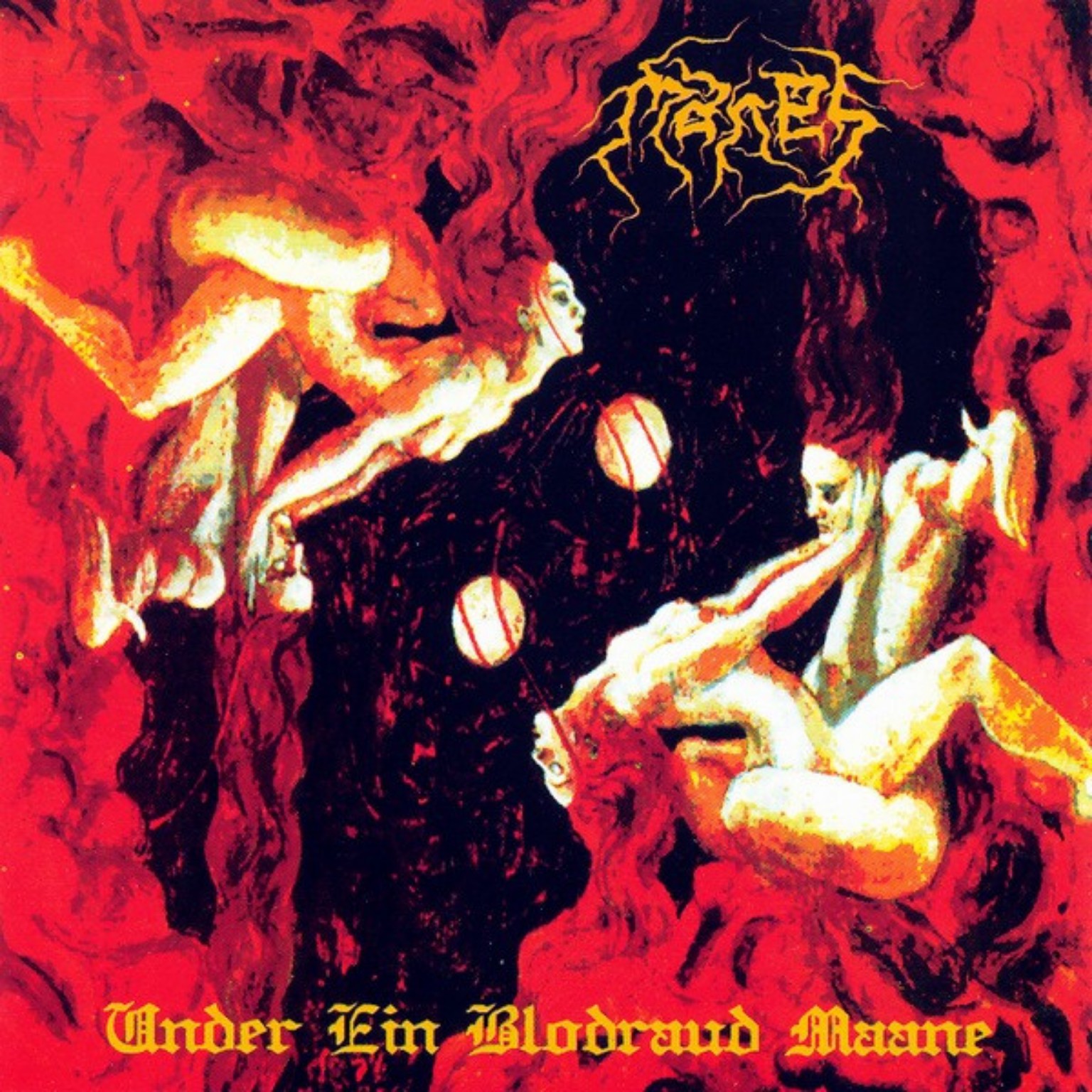
In-depth album history in English, Hungarian and German.
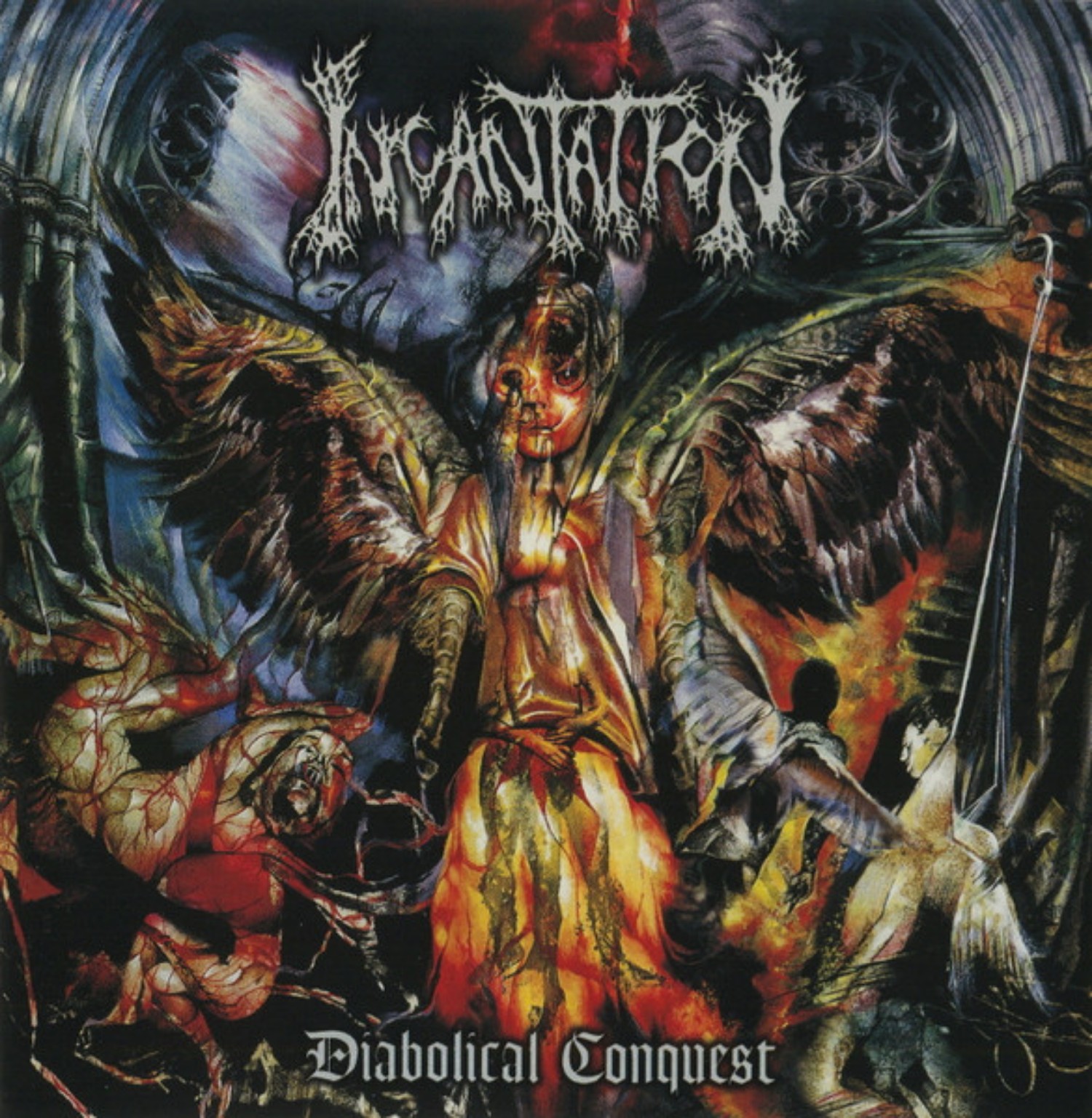
In-depth album history in English, Hungarian and German.
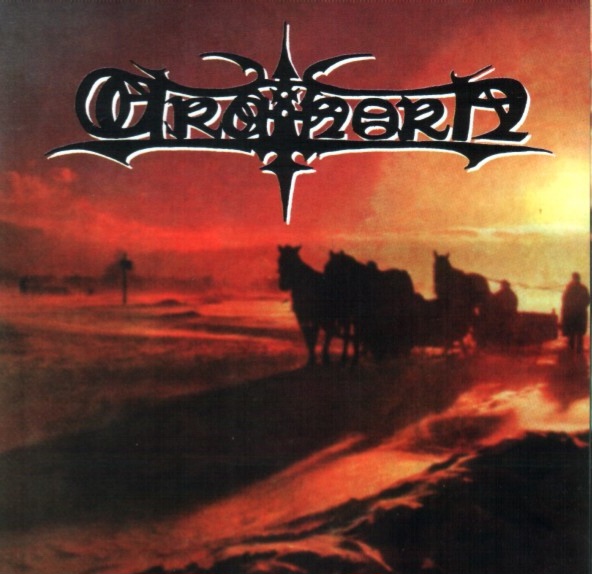
In-depth album history in English, Hungarian and German.
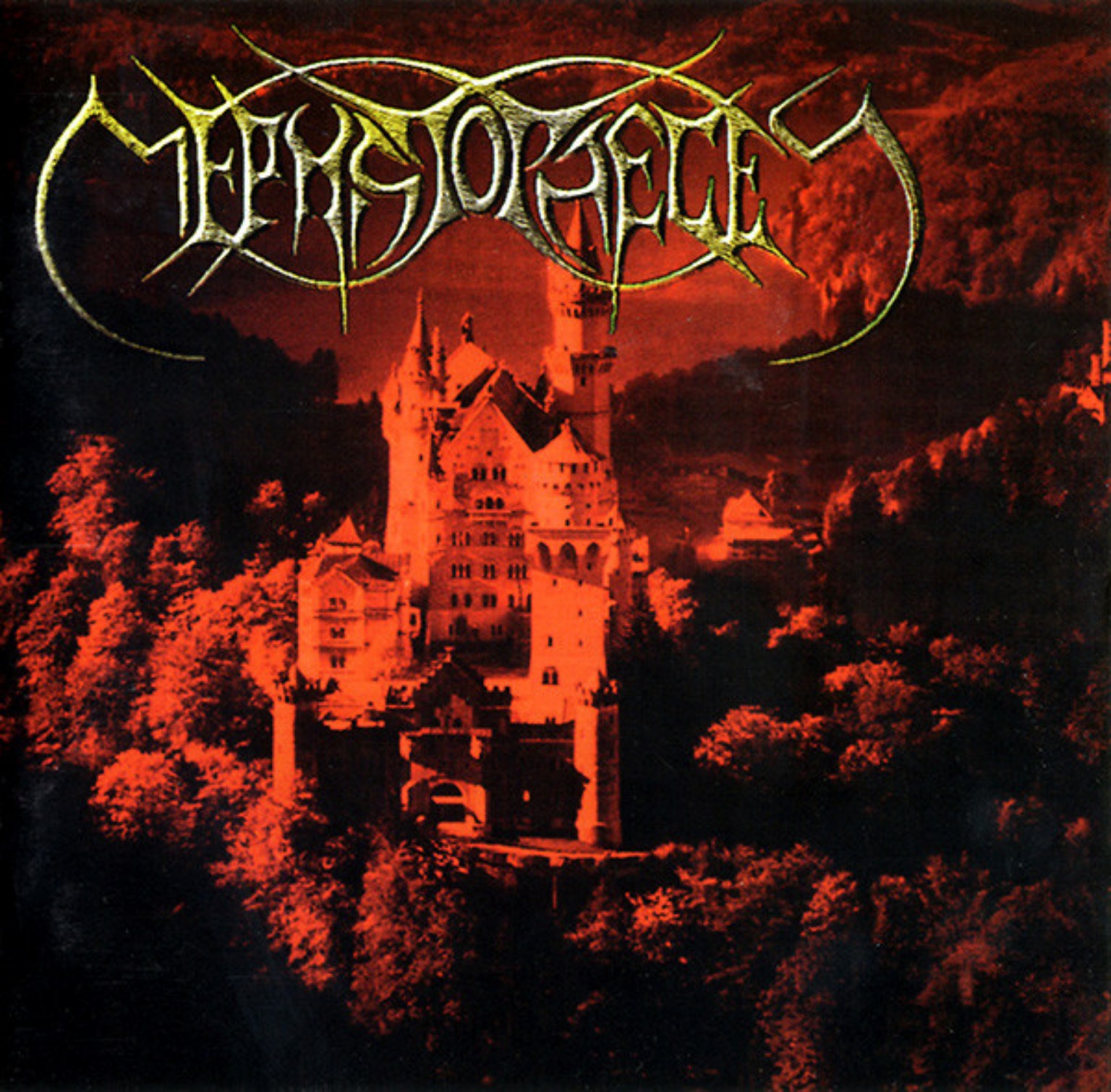
In-depth album history in English, Hungarian and German.
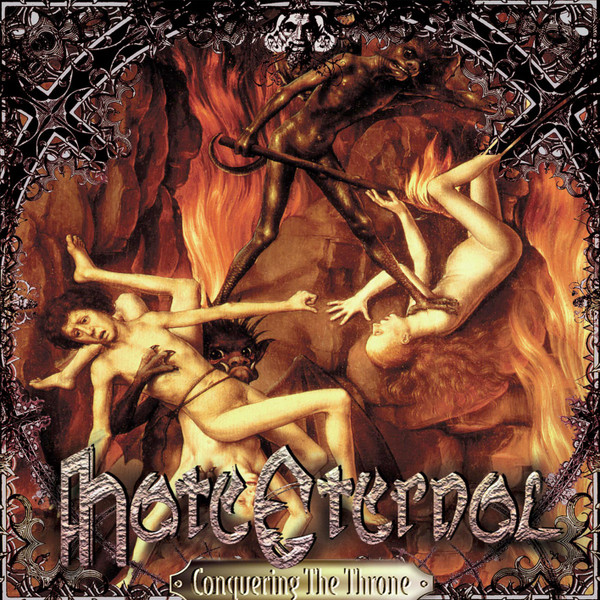
In-depth album history in English, Hungarian and German.
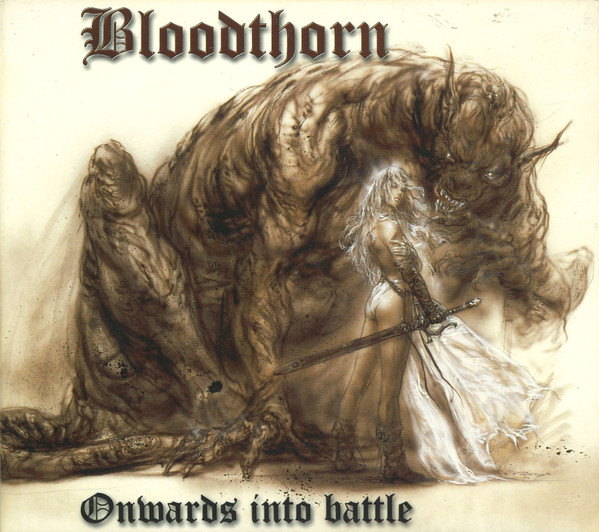
In-depth album history in English, Hungarian and German.
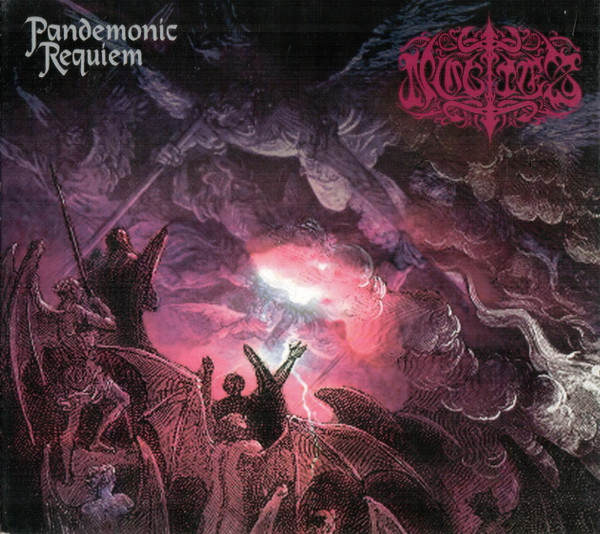
In-depth album history in English, Hungarian and German.
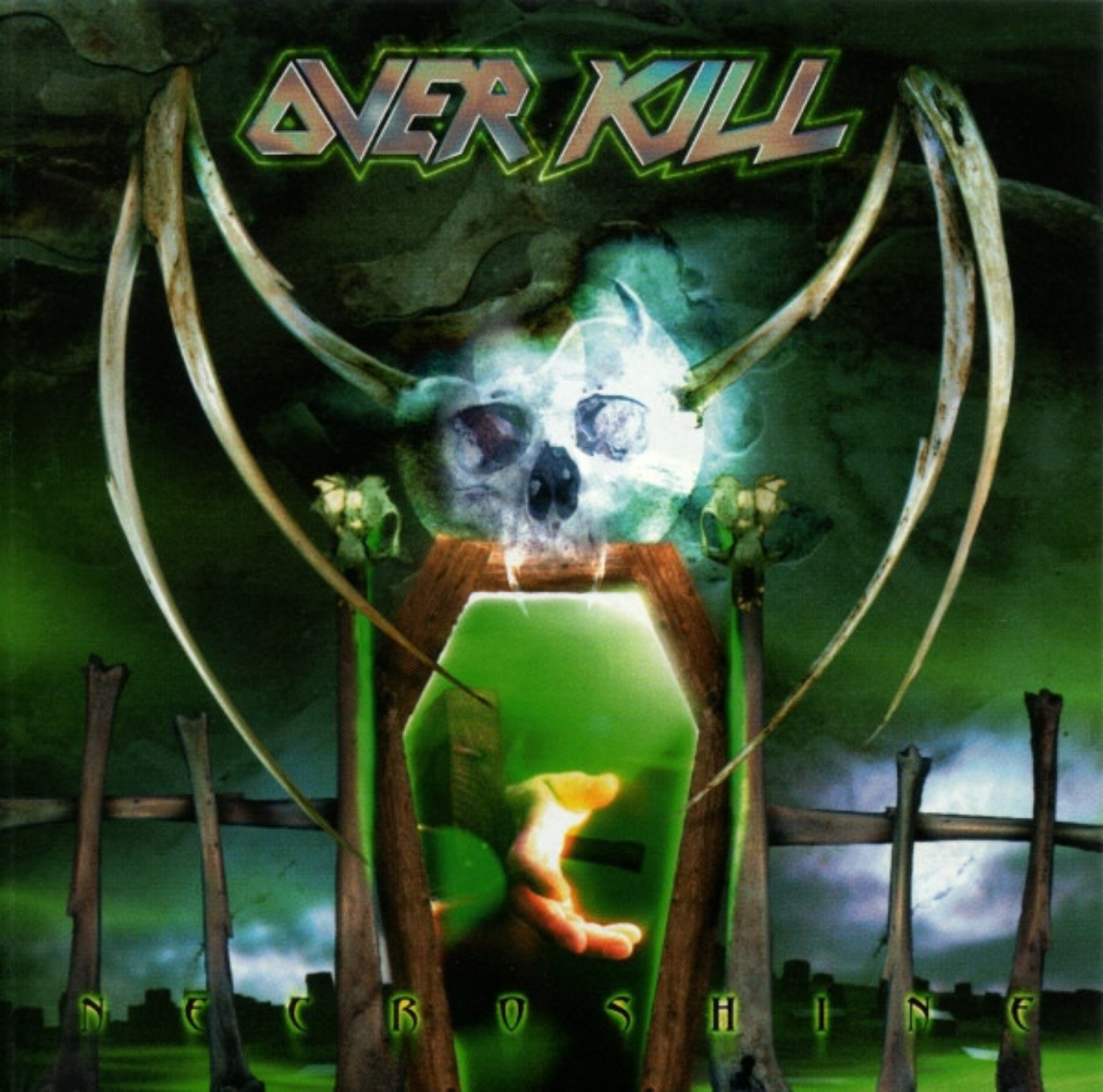
In-depth album history in English, Hungarian and German.
In-depth album history in English, Hungarian and German.
In-depth album history in English, Hungarian and German.
In-depth album history in English, Hungarian and German.
In-depth album history in English, Hungarian and German.
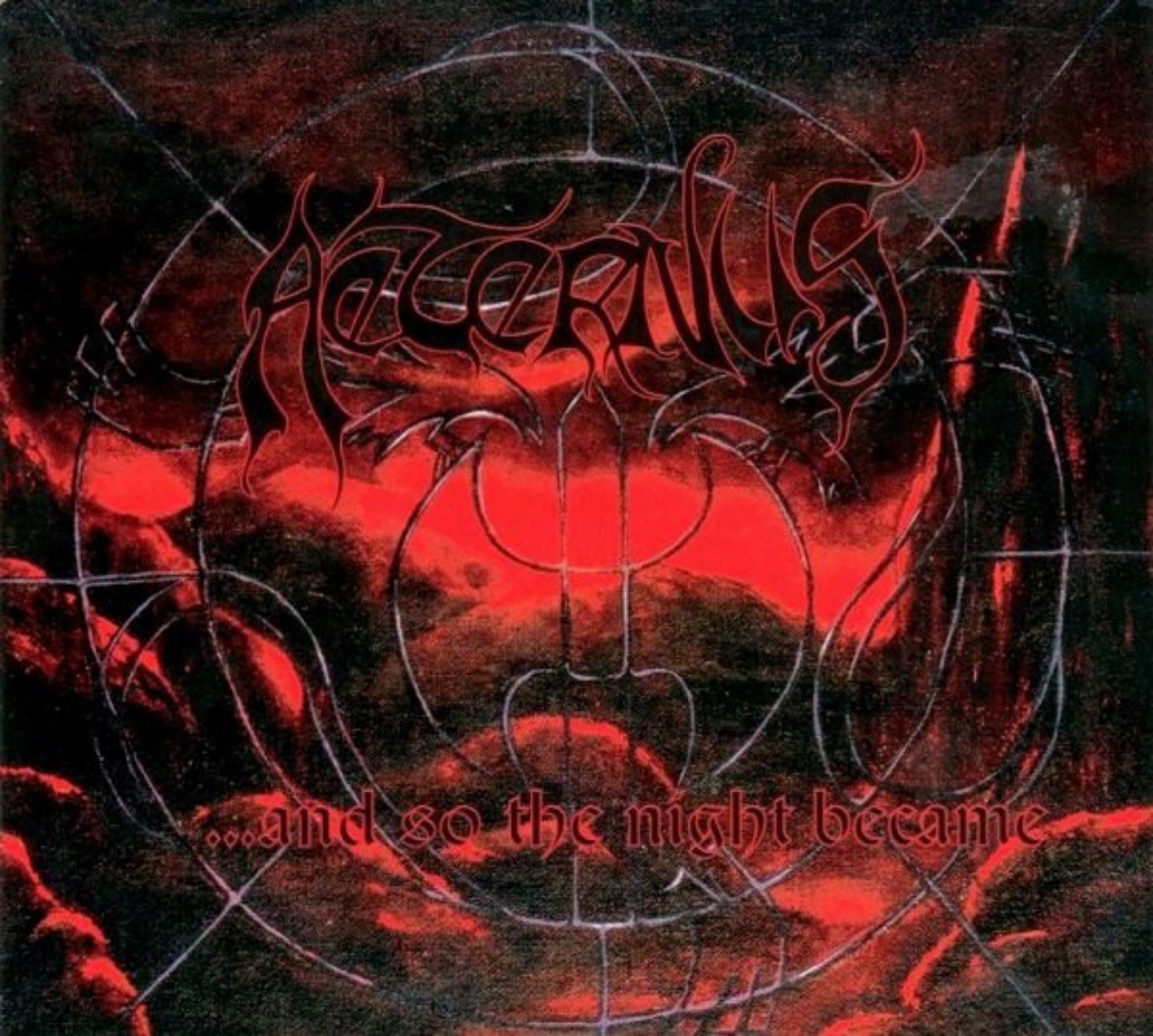
In-depth album history in English, Hungarian and German.
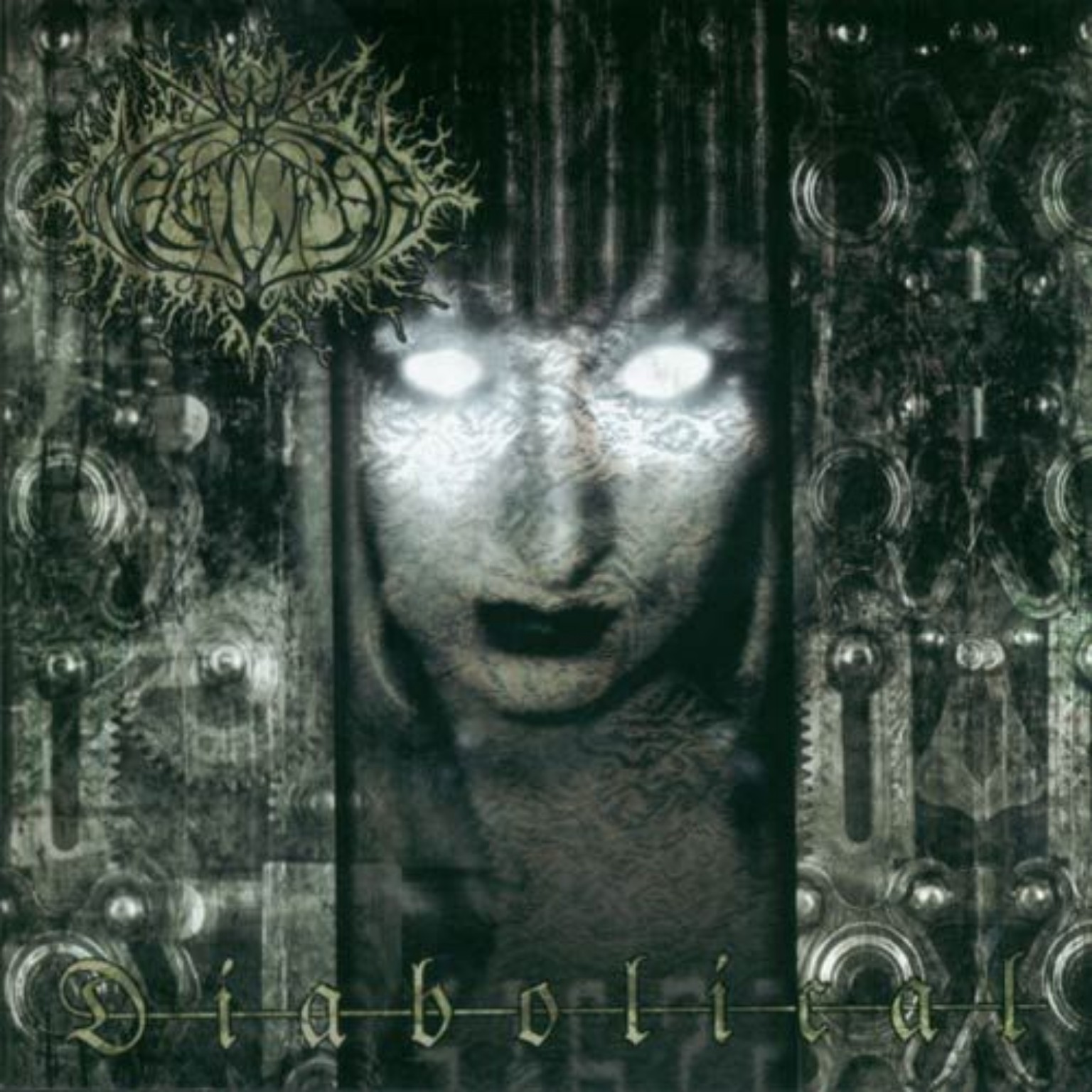
In-depth album history in English, Hungarian and German.

In-depth album history in English, Hungarian and German.
In-depth album history in English, Hungarian and German.
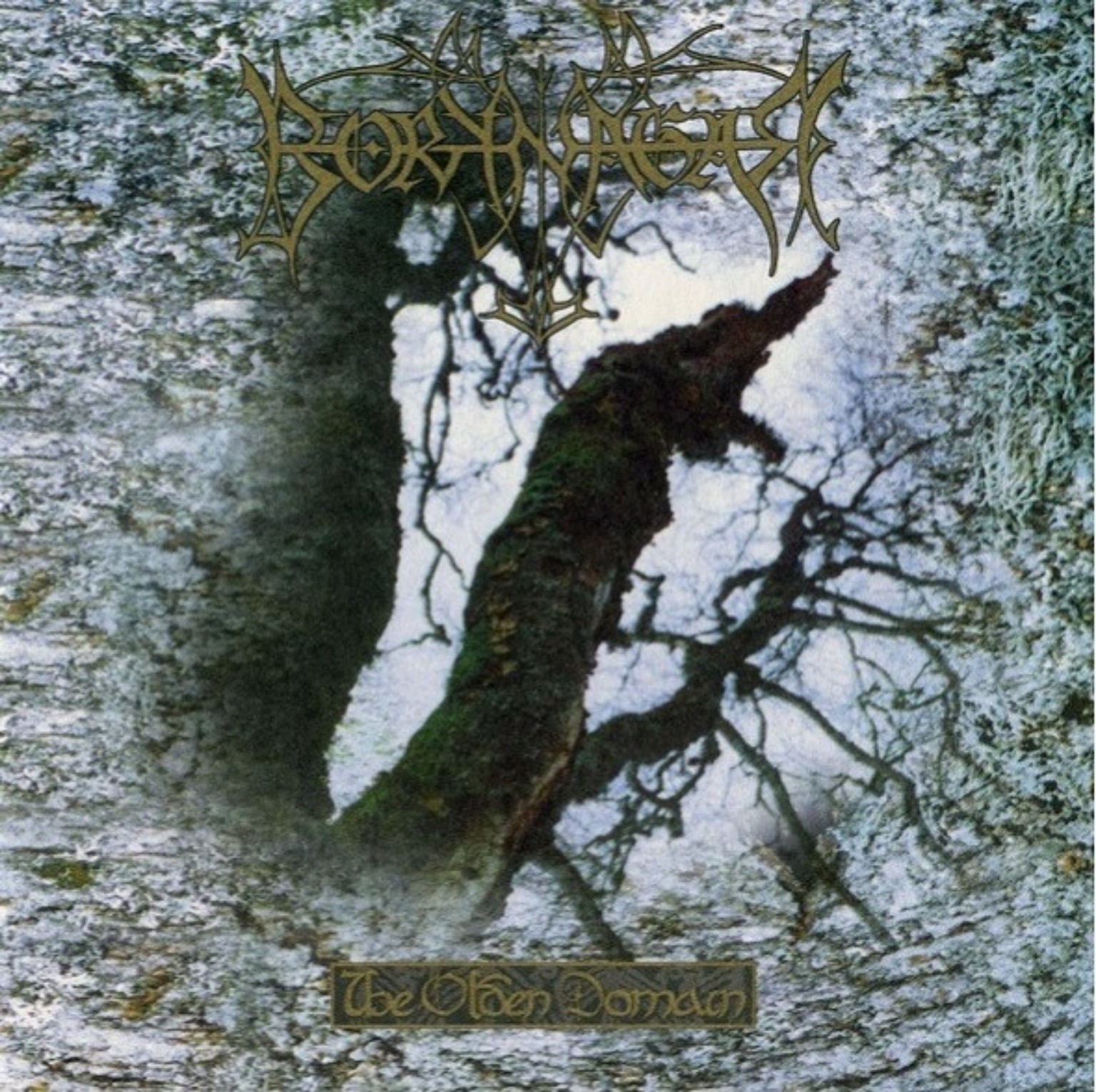
In-depth album history in English, Hungarian and German.
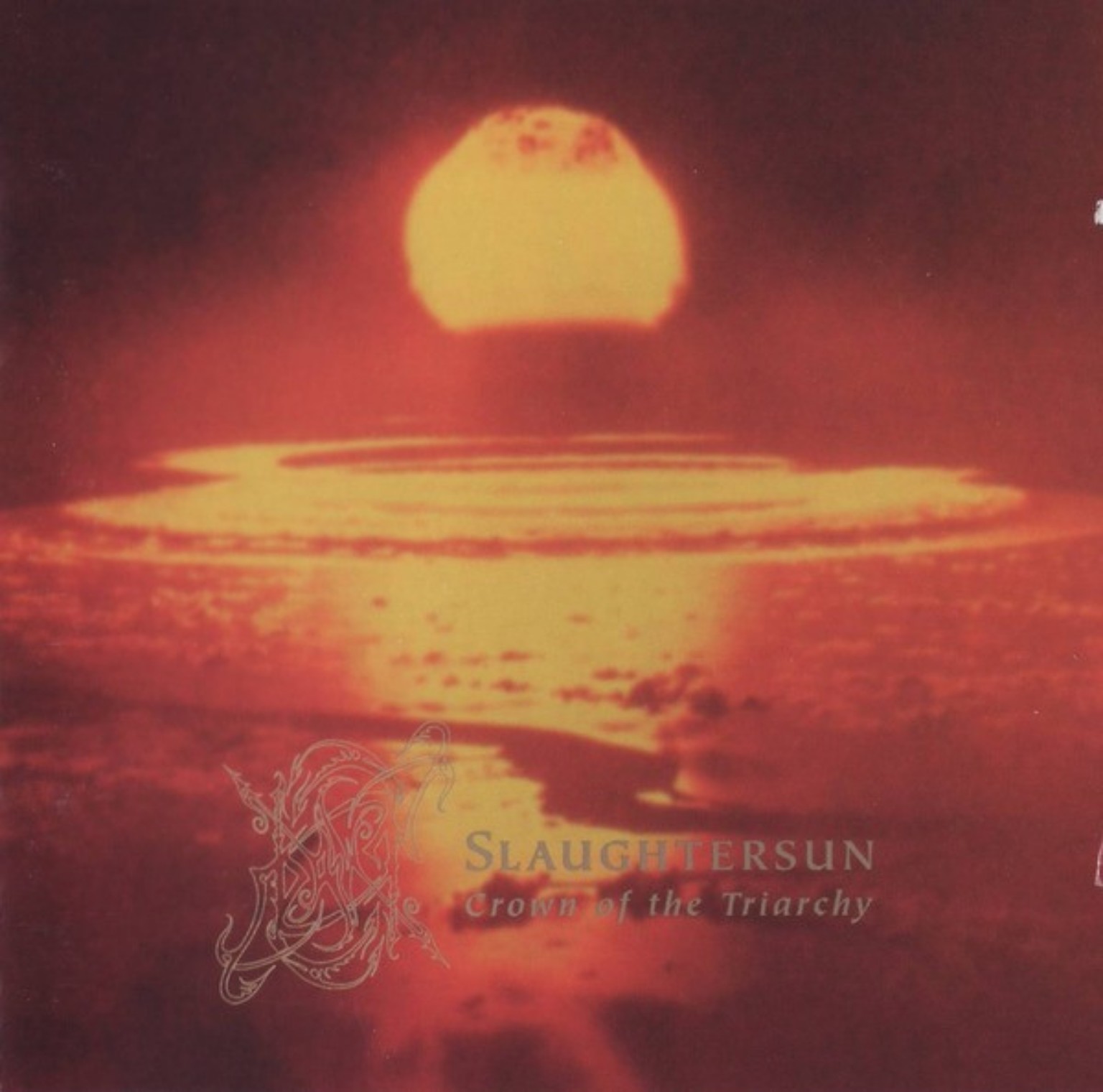
In-depth album history in English, Hungarian and German.
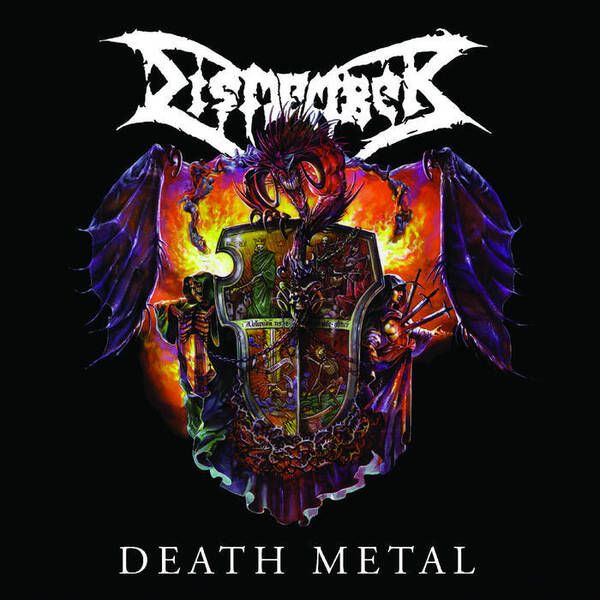
In-depth album history in English, Hungarian and German.
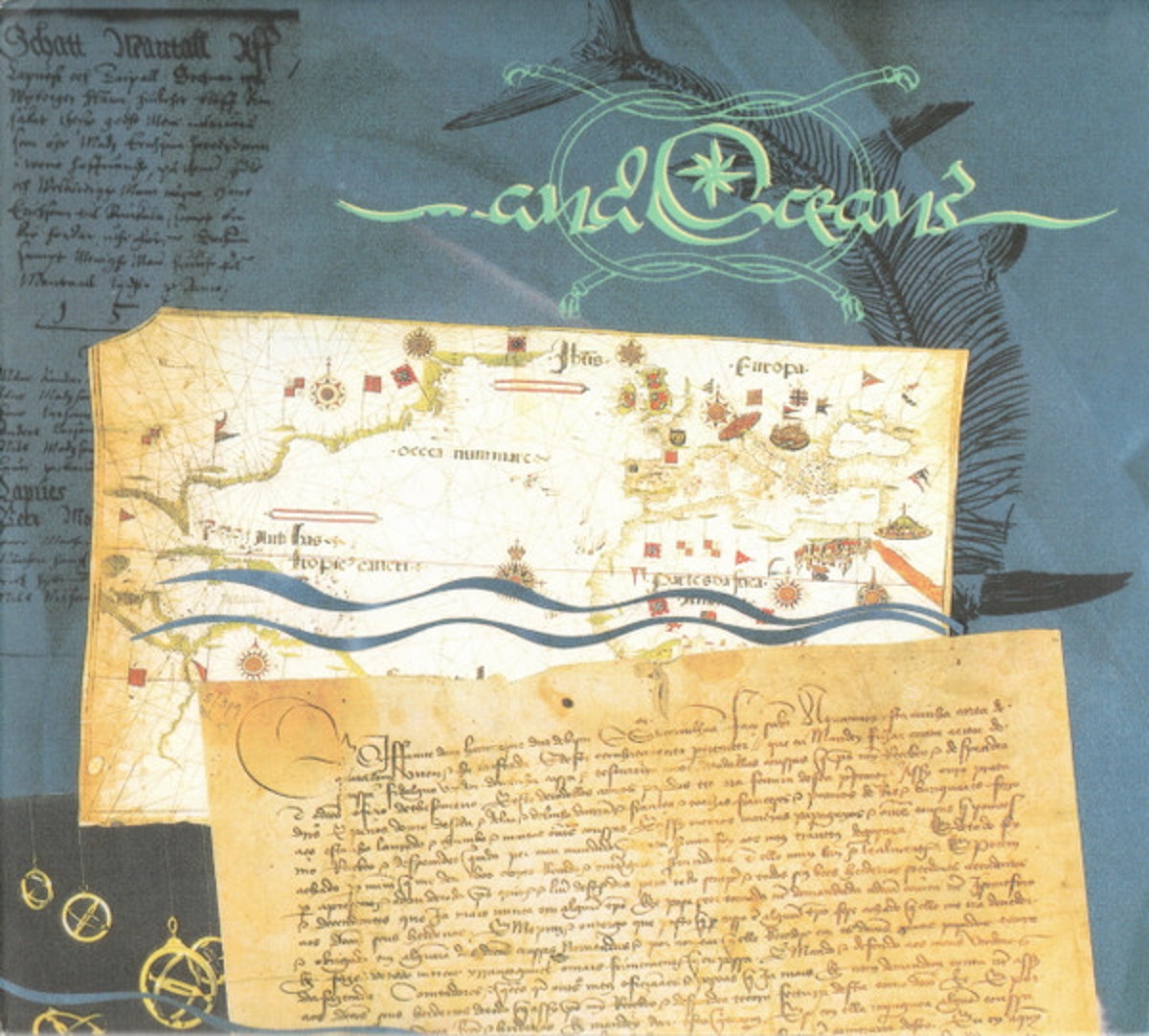
In-depth album history in English, Hungarian and German.
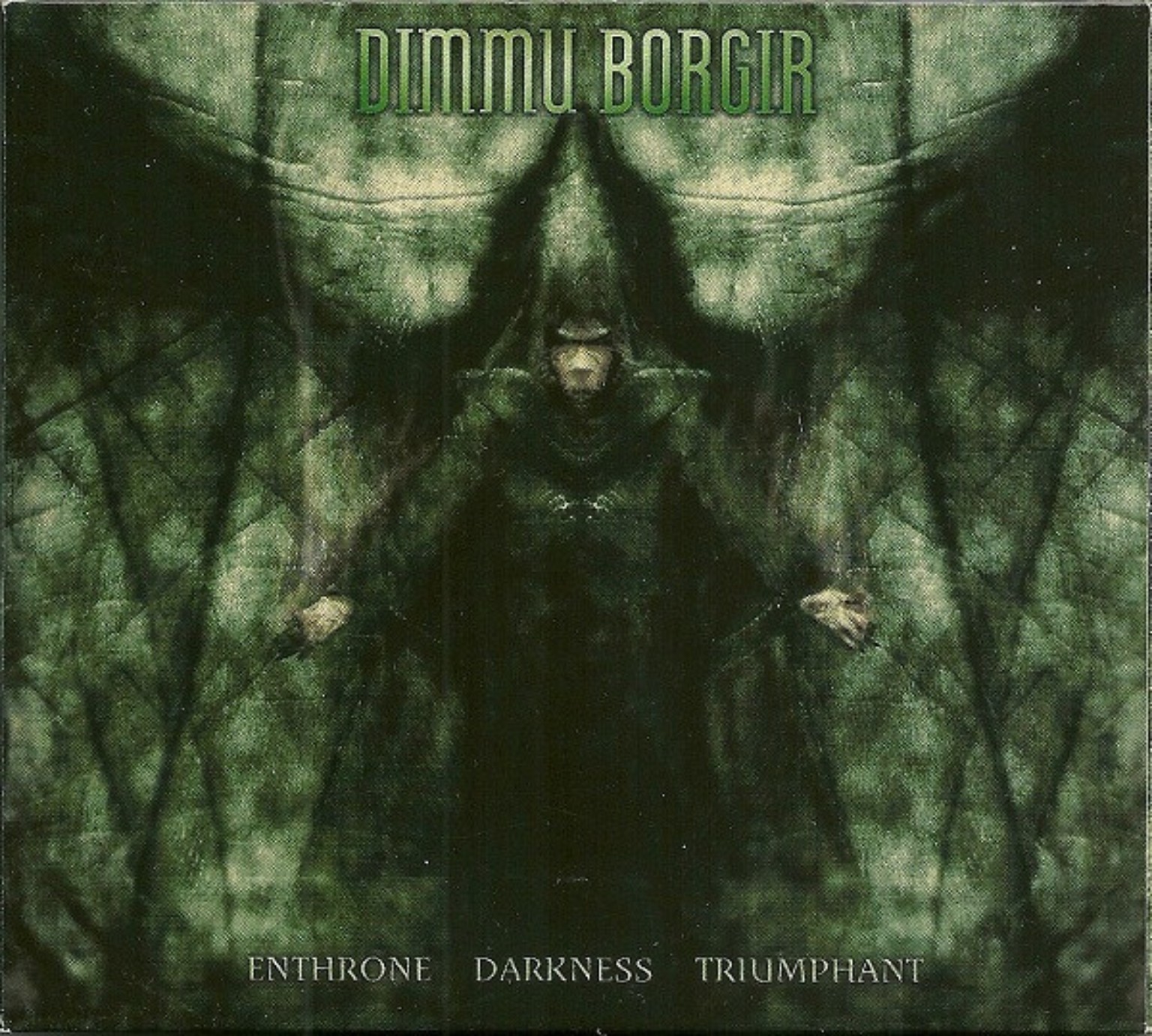
In-depth album history in English, Hungarian and German.
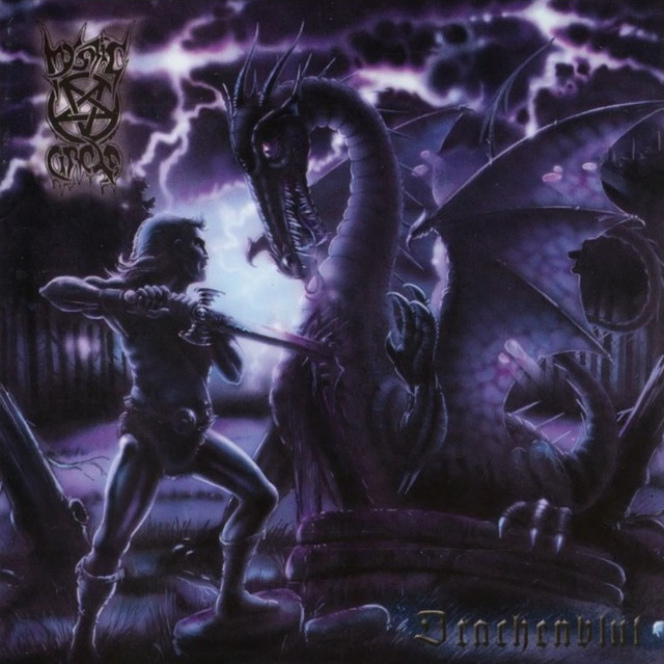
In-depth album history in English, Hungarian and German.
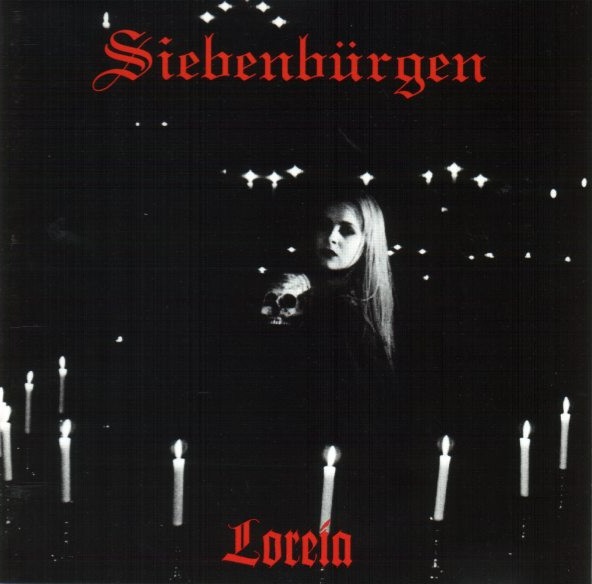
In-depth album history in English, Hungarian and German.
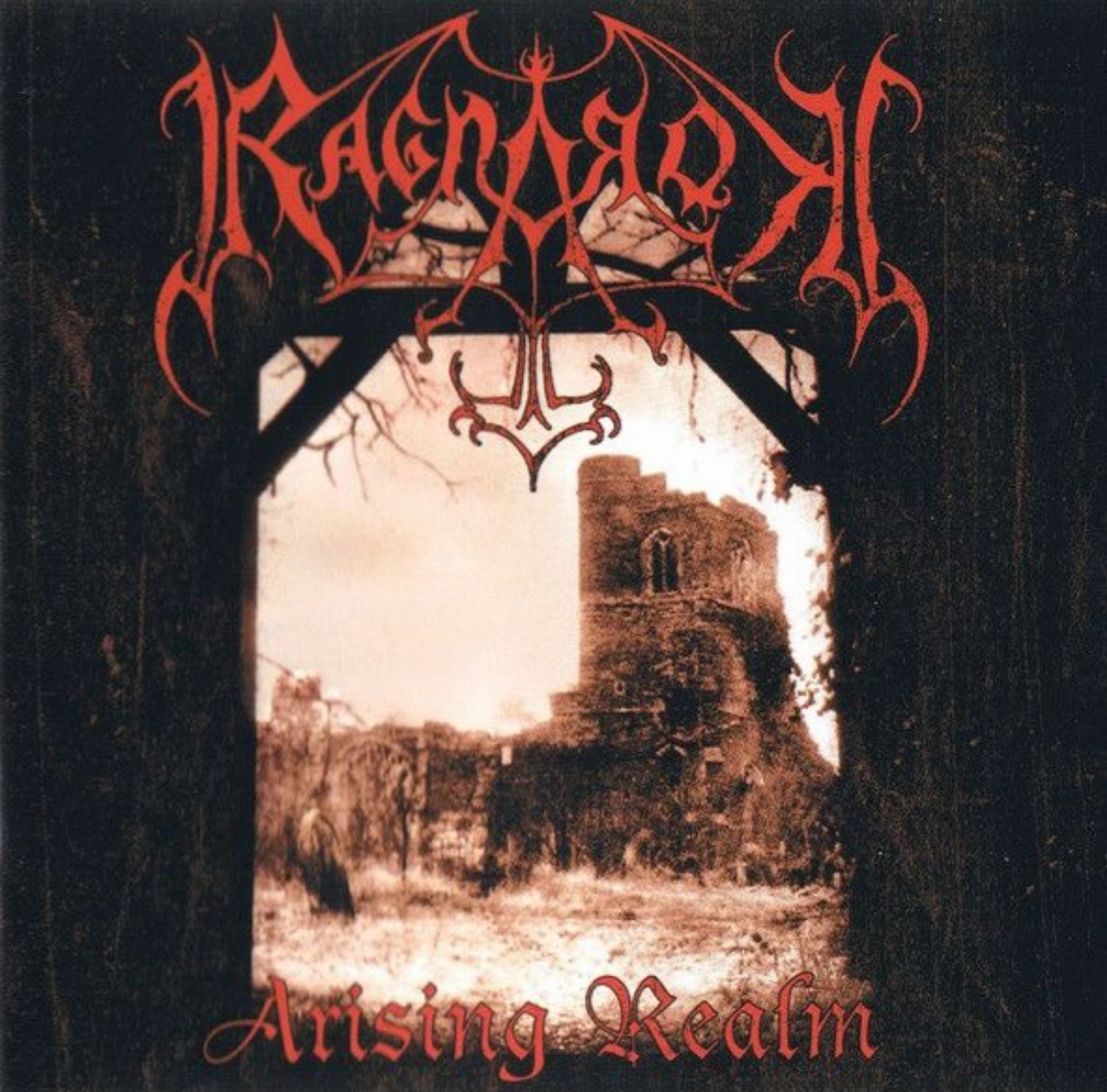
In-depth album history in English, Hungarian and German.
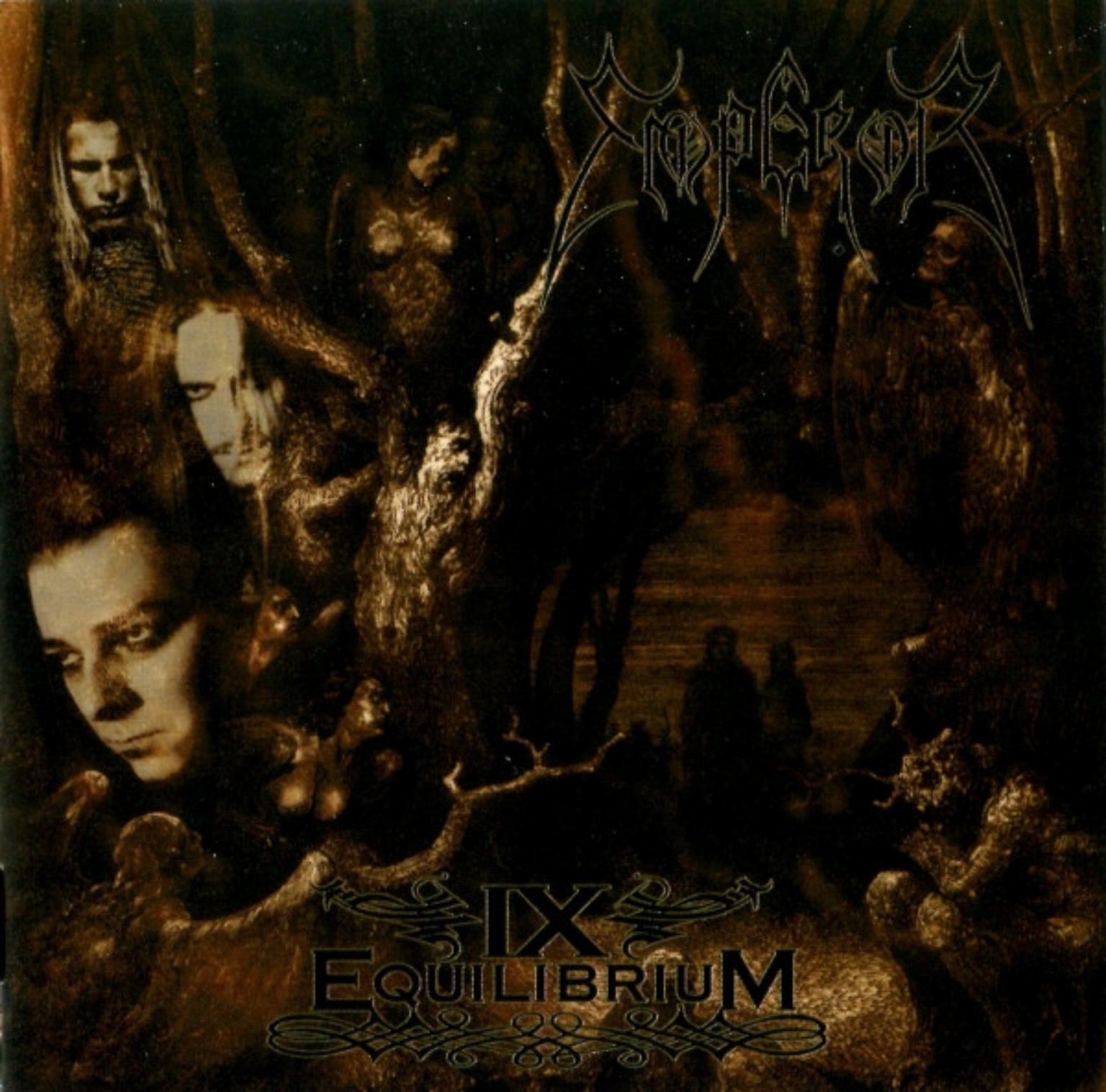
In-depth album history in English, Hungarian and German.
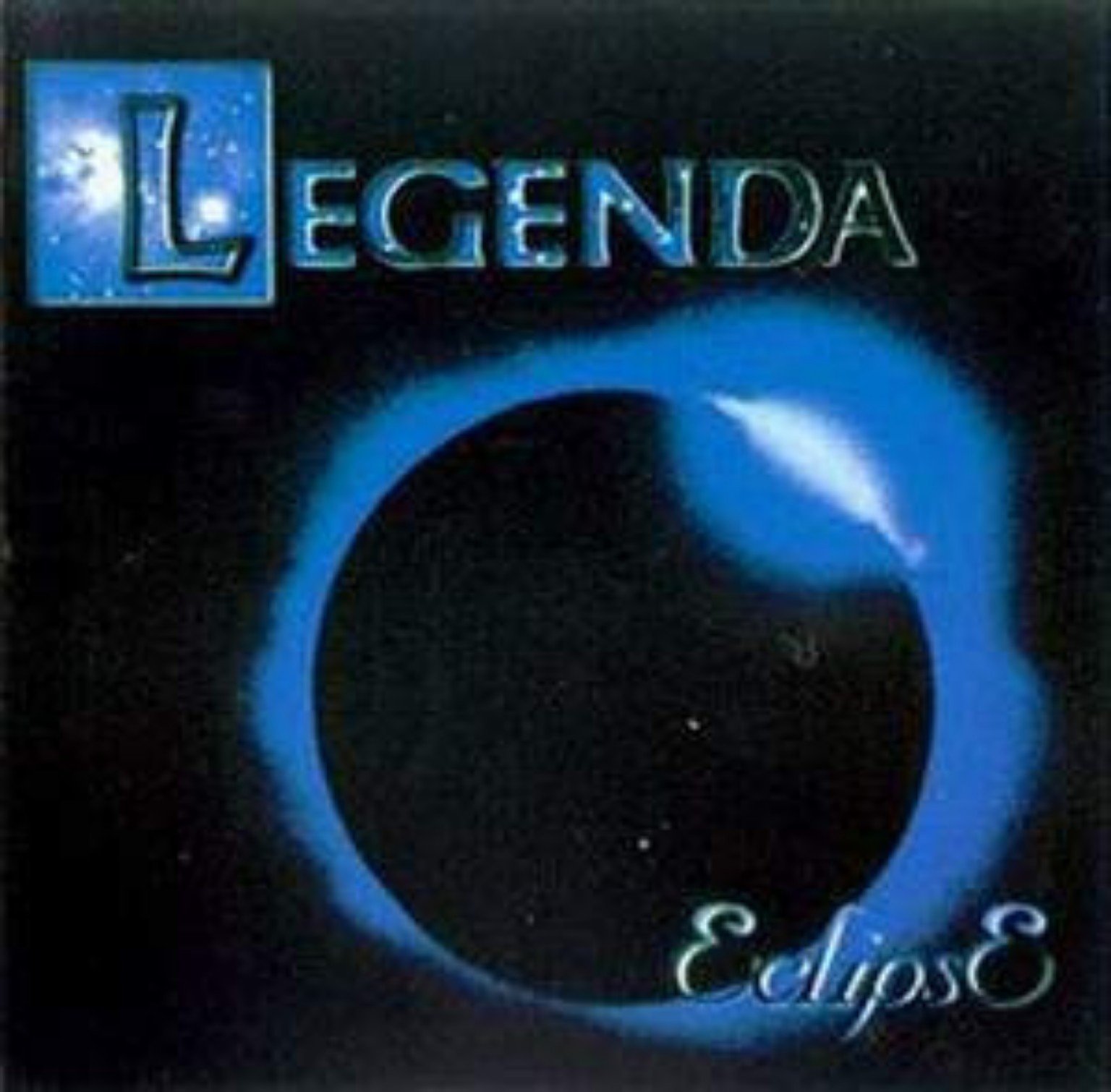
In-depth album history in English, Hungarian and German.
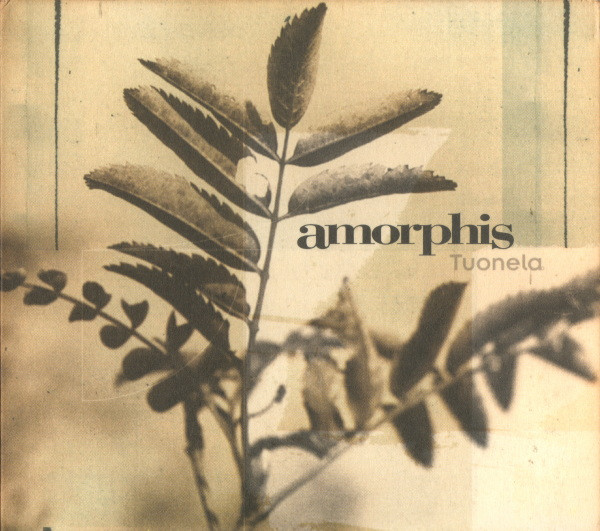
In-depth album history in English, Hungarian and German.
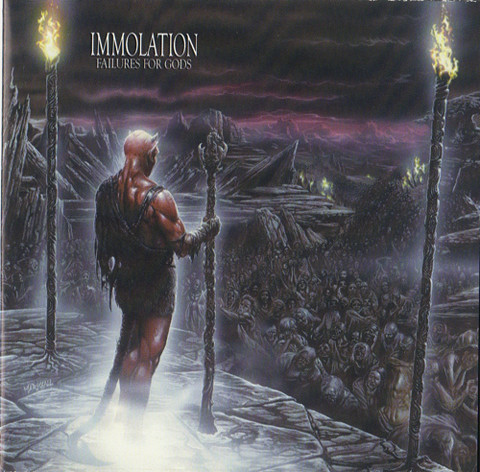
In-depth album history in English, Hungarian and German.
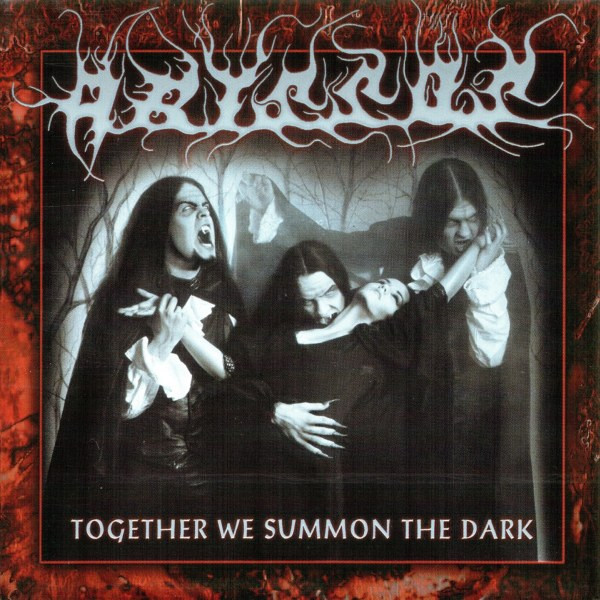
In-depth album history in English, Hungarian and German.
No writings match these filters.
These writings grew out of research into decades of music history. They draw on contemporary interviews, old music magazines, fanzines, reviews, recollections by musicians and historical documents.
They are not republications of works by established authors, but the result of independent research: detailed album histories assembled from scattered historical sources, alongside literary novels inspired by those histories.