Anarhia – Nici o vină (1998)
The history of Anarhia’s 1998 album Nici o vină: 11 chapters and 61 full source notes.
Album details and original contributors
Track list (1998)
- Nu vreau
- O știi
- Săracă inima mea
- Ploi și noroi
- Tot ce-mi spui
- Progres
- Instrumentală
- Nici o vină
- Somn ușor
- Doar eu am mai rămas
- Anarhie (live Muscel ’97)
Original recording line-up
- Mihai Moroz (Moritz) – vocals
- Adrian Blaj – guitar
- Otty Babics – guitar
- Adrian Neagoe (OQ) – keyboards
- Fane Livadariu – bass
- Marius Bosneac – drums
Glas Transilvan (Cluj) · Pro Music Production · Nelu Brândușan
Original format: cassette (1998, Pro Music Production). Current availability for purchase is not verified.
Band and release archives
These are historical archive records, not verified official band social-media profiles.
No verified direct album page was established on the seven streaming platforms checked; no unverified listening or purchase buttons are shown.
EDITORIAL NOTE · FIRSTHAND SOURCES
Behind the story – first-hand sources
Fane Livadariu · Anarhia
Fane Livadariu, Anarhia’s bassist, provided Open Metal Album Library with detailed memories of the earlier band Alisa, the Satania demos, line-up changes, Posada Rock, the relationship with Pro Music Production, the Glas Transilvan studio and the band’s later returns. This is a primary historical account; the corresponding chapters and original source notes of the album history remain intact.
Fane Livadariu photographic archive
Fane Livadariu provided 27 archival images for the Open Metal Album Library’s Anarhia history: band and concert photographs, cassette and document images, and event posters. We thank him for his contribution to preserving the visual history of the band.
Image archive and copyright: © Fane Livadariu. Original marks and photographer credits visible in the images are retained.
Select a small image to open its larger version.
The Name on the Certificate
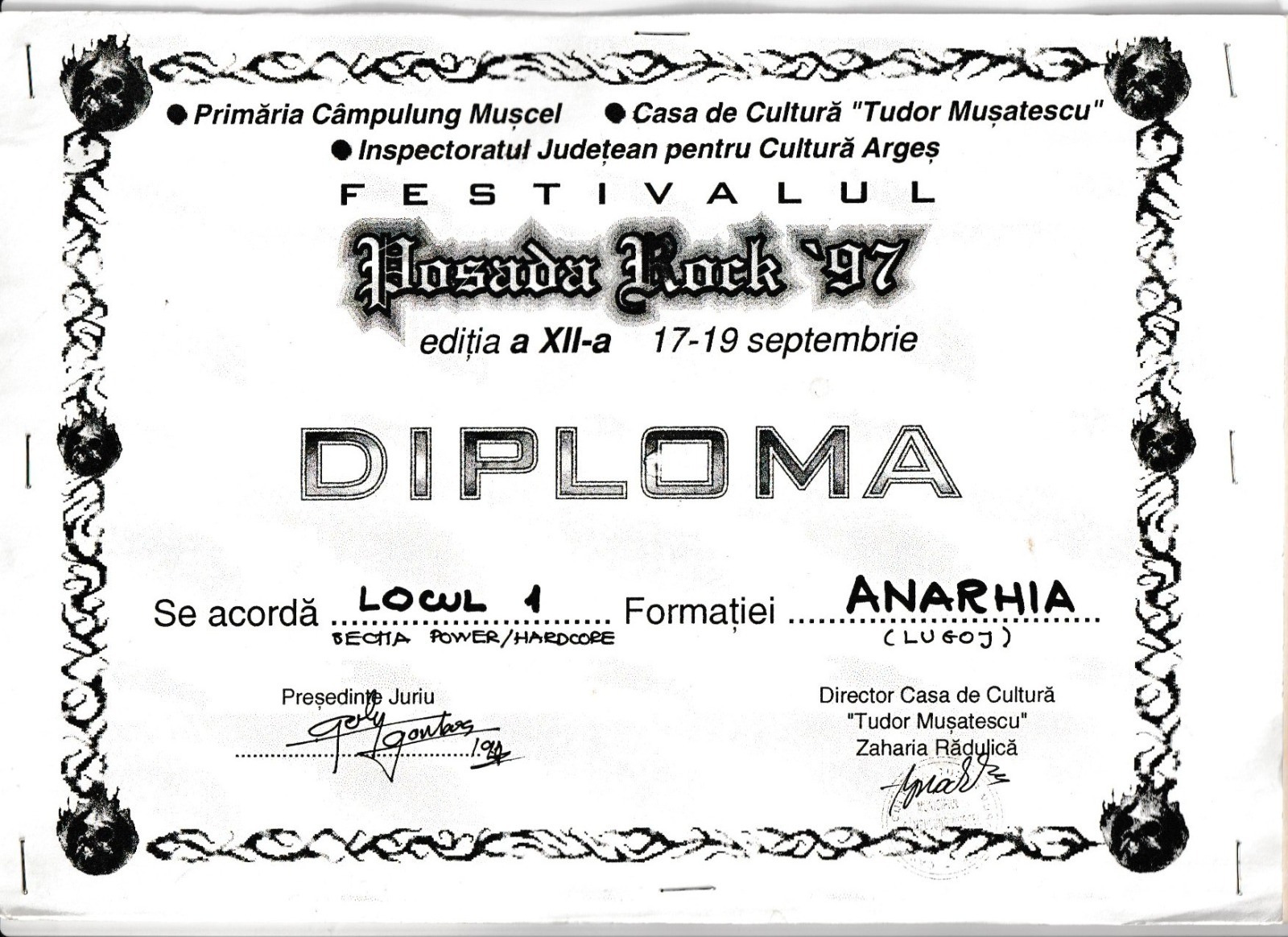
On the certificate issued in Câmpulung Muscel, the name, the town, and first place each had their own line. The organizers awarded the prize to Anarhia from Lugoj in the power/hardcore category. The certificate commemorates three days in September 1997. The cassette released the following year names Cluj-Napoca as the recording location, while the final track points back to Muscel. After the studio tracks, the band takes the stage once more. Yet the town named on the certificate belonged to a story much older than the band.3
Lugoj and the Timiș Valley
Roads led away from both banks of the Timiș River. Here, the flat expanse of the Banat opens towards hills and mountain passes. Travellers could continue towards Caransebeș, the Cerna Valley, or Transylvania, but the crossing itself already carried weight. It drew markets and crafts to its banks. Traces from the Neolithic and Bronze Ages have also been found nearby, although the story told by written names begins centuries later. A tithe register from 1334 preserves the name of Blasius, the priest of Lugoj; in 1369, the estate was recorded as Lugas, and by 1439 a document described a fortified market town. One local history places the earliest mention of the castle in 1376, another in 1386. That discrepancy remains at the very beginning of the castle's story.4
After Mohács, the defensive importance of the Banate of Lugoj and Caransebeș increased. Queen Isabella granted Lugoj a coat of arms in 1551. In the accounts of Gromo and Evliya Çelebi, it was still the fortifications that defined the place's significance. After the change of power in 1658, the battle of Lugoj in 1695, and the demolition of the castle around 1700, the world organized around the fortress gradually disappeared. Under the administration established after the Habsburg advances of 1716 and the settlement of 1718, mills, markets, and workshops increasingly brought the people of the two banks together. Grapes, livestock, and processed goods went out to nearby villages, while produce came in from those villages for the weekly market authorized in 1752 and, later, for the major fairs held from 1796 onward.5
German-speaking settlers established their own quarter in the eighteenth century. They lived alongside the Romanian part of town, with a separate administration and religious institutions. Figures for 1786 record 5,130 inhabitants on one side and 1,446 on the other. For the Romanian side, both 101 and 110 survive as counts of craftsmen from 1782; neither figure has conclusively displaced the other. The administrations were united in 1795, but languages and denominational institutions continued to pull urban life in several directions. The synagogue was built in 1842. A Greek Catholic episcopal seat operated from 1850, while construction of the cathedral lasted from 1843 to 1868. Meanwhile, Eftimie Murgu held a mass assembly in June 1848. The participants demanded official recognition of the Romanian language, ecclesiastical autonomy, and an armed force organized by the community itself. The surviving sources date the assembly either June 15/27 or June 27.5
The city’s musical and cultural life
Newspapers, associations, and choirs all gave the language a place of its own. Issues of Lugoj's Drapelul from 1898 to 1912 preserve one continuous strand of the town's public life. In one institutional account, the Romanian choral tradition stretches back to 1810: it records a public performance in 1841 and formal organizational recognition in 1869, yet another institutional text gives 1910 as the year of foundation. Between those competing dates lie the songs of entire generations of townspeople. From 1898, Ion Vidu became a defining conductor of the choir, which took his name in 1931. Among the town's musical communities of other languages and traditions, the German singing and music association and the Hungarian choir began in 1851, the chamber music society in 1869, and the German craftsmen's choir in 1871. Lira was active from 1878 and the Progresul men's choir from 1920; for both, 1948 marked a dividing line. The municipal philharmonic orchestra was founded in 1926. The names of Tiberiu Brediceanu and Filaret Barbu remained part of Lugoj's musical memory. Rehearsals were sustained, in turn, by a religious community, an association, or a school.6
The railway connected Lugoj with Caransebeș in 1876. The power station established in 1899 and the iron bridge of 1901 already belonged to a town of expanding industry. A distillery and milling works had operated since 1864; J. Muschong's enterprise began making bricks in 1888, and later silk production, shoe-last manufacturing, and meat and dairy processing acquired their own premises. In local memory, the great textile mill begins on two different dates. The town statute links it to Wilhelm Auspitz's company and March 21, 1907, while Cristian Ghinea's account, citing a company monograph, gives January 3 of the same year. Around 1908, a water tower, accommodation, housing, and a canteen were built beside the workshops. Baths and further residential quarters followed in the 1920s. Meanwhile, Lugoj became the seat of Severin County in 1926 and gained a customs office in 1929.7
Nationalisation and industrial growth
On June 11, 1948, the state took over factories and banks. The municipal statute lists ten textile works alongside the construction-materials, metalworking, timber, food, and leather enterprises affected. On December 1, the suppression of the Greek Catholic Church also reached the diocese of Lugoj and the use of its churches. Along the border, after the split between Tito and Stalin, even where people lived became a political question. During the night of June 17–18, 1951, people were deported from Timiș, Caraș-Severin, and Mehedinți counties to the Bărăgan Plain. The Sighet Museum associates the operation as a whole with approximately 44,000 deportees, eighteen new settlements, and around 1,700 deaths. The journey in freight wagons could take as long as two weeks. On the open plain, people had to build shelter from adobe, reeds, and straw. A few years later, the Banat chronology records the student protests in Timișoara in October 1956 and, in 1968, the new county administration.8
During the socialist decades, industry spread across a wider area of Lugoj. Alongside Mondial's ceramics works, machine manufacturing expanded between 1976 and 1980; foundries and machinery plants were established in the 1980s. The textile industry grew through new looms and exports. The textile school founded in 1974 supplied workers to the factory, where a workers' hostel, club, cinema, kindergarten, and nursery also shaped life beyond the shifts. Ghinea writes of about five thousand textile workers in the mid-1980s, many of them women. According to the statute's figures for 1989, the predecessor of Textila employed around 4,400 people and Lugomet some 2,600. While factory shifts changed, musical communities followed a different rhythm. From 1963, students, amateurs, and factory workers alike performed in the Lugojana folk ensemble. Instrumentalists came from the area around Măguri. Ion Cojocaru, Miroslav Tatarici, Socol Ianculovici, and Achim Penda all contributed to the ensemble's work.9
The predecessor of the Filaret Barbu School operated as an independent arts school from 1968 to 1979, then as a department, and from 1990 once again as an independent school. Alongside violin, piano, and wind instruments, guitar and drums also had a place in music education. A caption to a photograph taken in 1987 shows the Ion Vidu Choir at the Romanian Athenaeum in Bucharest, alongside the George Enescu Philharmonic. A year later, another group in Lugoj was already rehearsing its own songs. They came together with two guitars, bass, drums, keyboards, and a separate singer. They called themselves Alisa.10
The Rehearsal Room Door
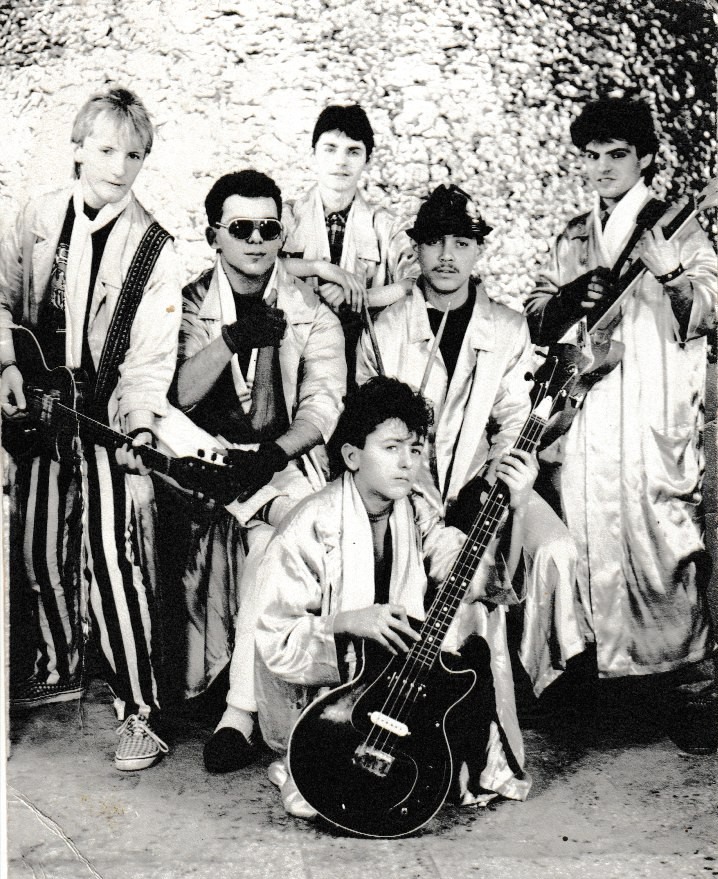
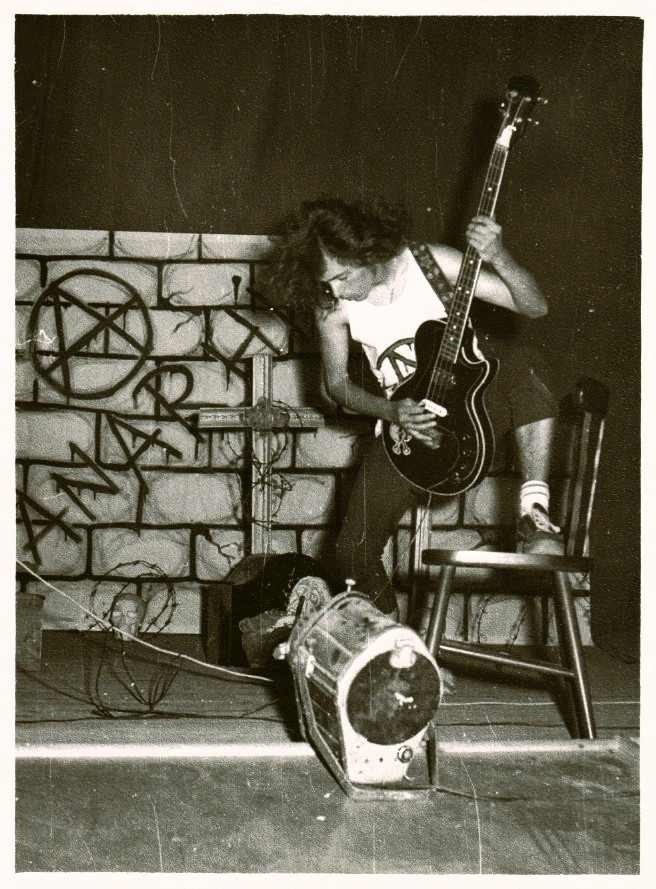
Fane Livadariu traces Anarhia's story back to Alisa. In 1988, they were high-school students. Attila Babics and Ovidiu Takacs played guitar, Robert Vizi drums, Nelu Todor keyboards, Dani Pitica sang, and Fane played bass. They wrote their own songs. In Fane's recollections, the student festivals at Costinești already belong to those early hard-rock years. Alisa, too, had a dedicated keyboard player. There would be one again in the lineup of the 1998 album, although in the intervening years the guitars took a very different direction.11
The music scene in Timișoara
By then, a whole generation in Timișoara could have heard of Phoenix, the music of Pro Musica, Progresiv TM, Celelalte Cuvinte, and Cargo, or the Bega Blues Band. Ilie Stepan's group Pro Musica gave its first concert on January 15, 1973, at the pedagogical high school in Timișoara. After the years of competitions at Bucharest's Club A, which continued until 1981, TimRock provided rock music with a recurring home in Timișoara from 1982 to 1990. Alongside state-organized student events, Cenaclul Flacăra, and Cântarea României, a less accessible musical life went on. Copies were made of whatever Western recordings people managed to obtain; sometimes a missing amplifier or synthesizer had to be replaced by something made by hand. Doru Ionescu later also credited television employees with helping some rock recordings survive official indifference.12
The revolution and its aftermath
In Pro Musica's history, the song ‘Timișoara’ is associated with December 1989. The revolution's events in Timișoara began on December 16. By December 20, the Frontul Democratic Român had been organized, and that evening, according to a local institutional retrospective from Lugoj, both the town hall and the local party committee building were already burning. The same retrospective mentions more than ten thousand protesters the following day. The archive preserves scenes at the town hall on December 21 and a demonstration on the 22nd. By December 25, the masthead of a special issue of Drapelul named the local committee of the National Salvation Front.13
In January, a different kind of crowd passed through the town. The Greek Catholic cathedral was formally returned on January 20, 1990. Metropolitan Nicolae Corneanu supported the restitution, and the Orthodox parish priest Damșa informed Vicar Dumitru Sălăgean of the preparations. The eighth issue of Drapelul was already announcing the liturgy scheduled for the next day. According to the report, more than two thousand people joined the procession that set off from the Roman Catholic church. Traffic came to a standstill during the service conducted by Bishop Ioan Ploscaru. Representatives of other denominations attended as well. Television cameras were present; people sang in the street. After four decades, one of the town's old buildings once again provided a public home for the community that had been deprived of its use.14
From Alisa to Anarhia
Meanwhile, the name Alisa disappeared from the band's story. Livadariu and Babics wanted to play heavier music. Todor, Takacs, and Pitica left, and fourteen-year-old Adrian Blaj joined on guitar. Fane recalled that the others looked after their youngest member outside rehearsals as well. He dates the move towards thrash and the adoption of the name Anarhia to around 1990. Ghinea, however, already calls the early four-piece Anarhia in 1989. In his account, Babics handles vocals as well as guitar, with Vizi, Blaj, and Livadariu completing the lineup. He emphasizes the speed of the early riffs and the directness of the Romanian lyrics. A 1989 starting date also appears in the Metal Archives entry and in a later ProTV preview. In Fane's memory, the first school band playing hard rock, the change of name, and the heavier sound were separate stages.15
A Stage in the Cultural Centre
According to a later historical study of the town, Lugoj had 51,827 inhabitants in 1992. Factories still sustained its economy. The study gives a total of 20,659 employed people, 11,407 of them industrial workers, and puts the latter at 55.46 percent. Calculated from the two figures, the share is 55.22 percent. Both figures describe a town where more than half of those in employment worked in industry. At the textile mill, four redundancies in 1991 were followed by 392 the next year and 908 in 1993. As jobs disappeared, the life organized around the nursery, canteen, and workers' hostel changed as well.16
Electoral registers and committees were taking on new responsibilities at the same time. Following the 1991 constitution, local elections were held in February 1992 and national elections on September 27. IFES also recorded practical difficulties concerning voter information, voting cards, and the training of observers, and reported violence and intimidation surrounding the 1990 elections. To the southwest, war was reshaping the other side of the Banat border. From June 1992, Romania restricted trade with the Yugoslav state formed by Serbia and Montenegro. Special exceptions applied to medical shipments, the Iron Gates power stations, and industrial links between Pančevo and Timișoara.17
The Satania demo and the first video
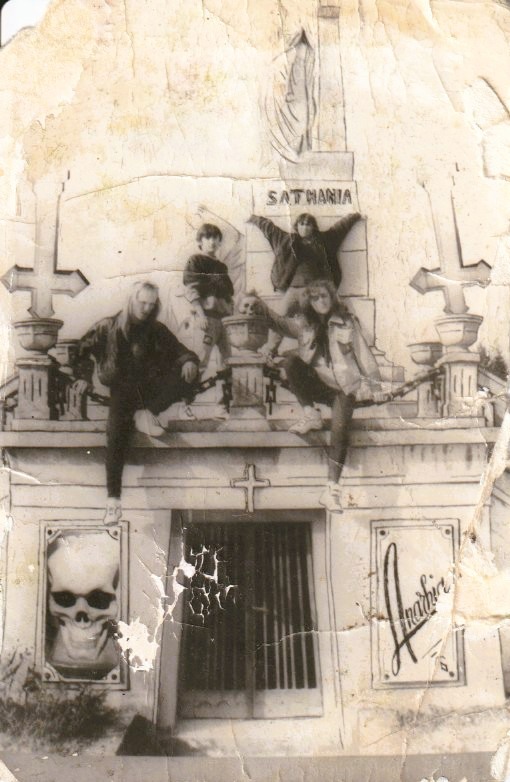
That year, friends who were themselves part of Lugoj's musical life helped Anarhia make its first demo. Fane remembers Satania as the band's own undertaking. Ghinea places the performances preceding the demo in Lugoj, Timișoara, Costinești, and Constanța. On the cassette, ‘E timpul să mori’, ‘Satania’, ‘Foamea de cadavre’, and ‘Anarhie’ appear side by side. The last title would appear again on the back of Nici o vină, this time beside a different recording. Anarhia launched the demo at the trade union cultural centre in Lugoj. The venue had long accommodated the town's industrial and associational culture. According to Fane, a recording of the launch performance has survived.18
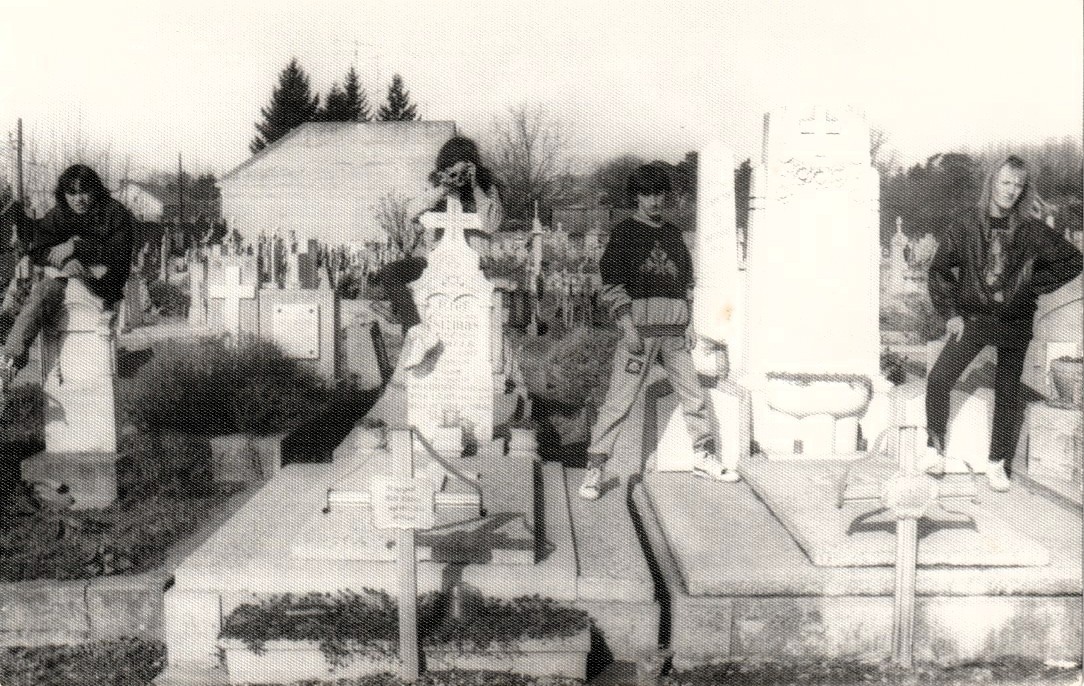
‘E timpul să mori’ made it from the cassette to television. Both Fane and Ghinea associate its video with Petre Magdin's TVR1 programme Întâlnirea de la miezul nopții. Livadariu recalls the local launch and the national broadcast as two separate milestones in the same year. Databases also preserve an entry for another Satania release dated to around 1993, but its relationship to the 1992 demo remains unclear. Another possible trace of the early Anarhia is a photograph or report printed in a magazine. Livadariu remembers the names Rocker and Metalfan; the original issue and the form in which the item appeared remain uncertain.19
A music video broadcast on television could travel a long way even when there was no simple means of finding it again afterwards. In 2002, Lenti Chiriac described how much work it took to preserve a place for metal on radio and television. In Ionescu's career, the first period of Rocker ran from 1990 to 1994. He began working in radio in 1993 and television in 1994, while the magazine entered another phase in 1999. Chiriac launched Heavy Metal Magazine in 1994. He dates the beginnings of Century Media's Romanian promotional activity, as he knew them, to that same year. A copied cassette, a magazine, and a broadcast each reached listeners in different ways. Each had a moment when the name of a band from Lugoj could become familiar beyond its home town.20
The Bread Delivery Van
On the road to Miercurea Ciuc, wire held the bread delivery van's door shut. Moritz remembered the cold, the plastic sacks they used as blankets, and the mulled wine they drank before the concert. What Blaj remembered of the same evening happened after the instruments had fallen silent. The audience shouted ‘vissza’—‘back’—in Hungarian. The musicians took it as a threat and retreated behind the stage. The organizer explained that the crowd was asking for an encore. They returned. According to Blaj, they played another two or three songs. By then, people they had never met already knew the songs from cassettes, even though a shout from the edge of the stage could still be misunderstood.21
In Lugoj, the band rehearsed at the PNL building. Moritz remembered four-hour sessions. Their Swiss neighbour Schmidt could hear them too. He was also Moritz's employer. They met again at work the next day, when the volume came up in conversation. Other difficulties of playing together became visible in the personnel changes around 1993–94, following military service. Fane later joked that Robert Vizi had gone to Hungary to buy drums and had never returned to the band. Adrian ‘OQ’ Neagoe came in on keyboards, Marius Bosneac on percussion. Fane had regarded Bosneac as an exceptional local talent even before that. Simi Jebelean played drums for a time, while Moroz took over the vocals. In Fane's recollection, the sound moved gradually away from thrash and towards hardcore.22
Concerts across Romania
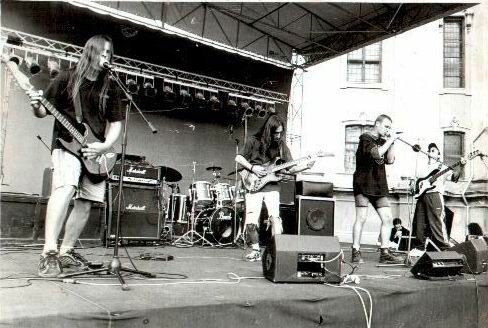
The names of the towns on their concert journeys slowly traced out a map of Romania. Alongside StudentFest in Timișoara and AltRock Fest in Secu, there was Piatra Neamț, where Fane recalled taking second place at Young Rock for Youngs. In Buzău, Top T booked Anarhia for an invited performance, as did SamRock in Satu Mare. Ghinea also recorded an earlier third place at Sam Rock and a special Metal Fan prize in Bucharest. There were journeys to Deva, Cluj-Napoca, Miercurea Ciuc, Sânnicolau Mare, Caransebeș, Bucharest, and Constanța. StudentFest in Timișoara grew out of a 1992 student initiative against censorship associated with Punctul 8. In the Semenic Mountains, Gărâna Jazz began in 1997 with friends improvising in an inn courtyard. In some places, a competition measured the impact of the songs; elsewhere, an unusual programme—or simply the encounter itself—kept the musicians there.23
Costinești also became a milestone in the story of another Banat band. After meeting in the summer of 1995, the members of Implant pentru Refuz first rehearsed in October; they played their first three concerts under the name Toxic Taboo. Emil Biebel, who came from the Rocka Rolla circle, found both the music and the lyrics he heard at rehearsals important, and the band's record appeared in 1996. Elsewhere on the heavier-music spectrum, Taine was taking shape: its early lineup included the thirteen-year-old Adrian Tăbăcaru alongside Andy and Ștefan Aldea, and the band itself cited Megadeth as an influence. Destin in 1994 and Cealaltă Parte in 1996 gave their sound a form that could be passed on. The Underground Romania cassette compilations preserved the diversity of the scene. Some featured Walhalla, Cuibul, Ultimatum, and Psycho Symphony, while others included Interitus, Grimegod, Abigail, Cronos, and Negură Bunget. Anarhia's name does not appear on the three known track lists assembled between 1995 and 1997; meanwhile, its own recordings travelled through concerts, copies exchanged among friends, and the band's releases.24
A city and an era in transition
From 1992, Ana Lugojana and FestteamArt were among the new municipal events held in Lugoj. During those same years, the textile mill was shedding increasing numbers of workers: 354 were laid off in 1994, 133 in 1995, and 378 in 1996. The town's economic changes coincided with the reorganization of Romania's institutions. Romania signed its European association agreement in 1993 and brought it into force in 1995; in January 1994, it joined NATO's Partnership for Peace. Further west, the single market began operating in early 1993, the Maastricht Treaty came into force that November, and the European Economic Area opened in 1994. Austria, Finland, and Sweden joined the European Union in 1995, the year that also saw the beginning of the first major phase of abolishing internal border checks in the Schengen area. Meanwhile, Romania continued shaping its electoral institutions: in 1995, IFES separately examined preparations, voter registration, observer training, and the organization of the central commission. OSCE/ODIHR observers were also present for the elections of November 3 and 17, 1996.25
The following summer, on July 15, the European Commission issued its opinion on Romania's application for membership. Two weeks earlier, on July 2, 1997, the devaluation of the Thai baht had set off the Asian financial crisis. Short-term loans, weaknesses in financial oversight, and capital flight revealed dependencies of a very different kind. That year, another 124 people lost their jobs at Lugoj's textile mill. In September, Anarhia played on the far side of the Southern Carpathians. At Câmpulung Muscel, first place in one of the categories could open the door to a recording opportunity. After years in the rehearsal room and journeys across the country, the door to making a cassette was beginning to open there.26
First Place
Câmpulung Muscel is a town of passages between the southern mountains and Wallachia. The fort at Jidava guarded a route on the Roman frontier. Centuries later, crafts and passing trade shaped the place, where, according to local history, Saxons had also settled in the thirteenth century. An epitaph in the Bărăția Church preserves the name Laurencius de Longo Campo from the year 1300. Another kind of memory from the late twentieth century survives in the name of the Tudor Mușatescu Cultural Centre on the Posada Rock certificate. The cultural institution and local organizers were able to sustain a stage worth travelling to, even from beyond the mountains.27
The Posada festival and Anarhia
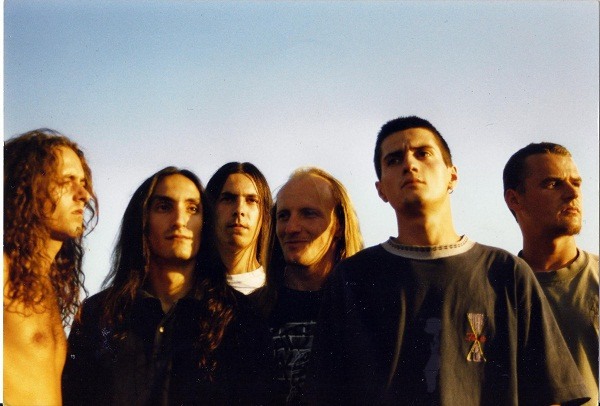
Posada had been running since 1986. The competition and the concerts by invited bands occupied separate parts of the programme. A gala was held on May 22 and 23, 1997. Anarhia's certificate bears the dates September 17–19 of that autumn's twelfth festival. The musicians from Lugoj won the power/hardcore category, while Taine received a prize in another category. Livadariu traces the agreement in Cluj-Napoca back to this event. For his part, Nelu Brândușan included Anarhia among the bands that gained recording and release opportunities following a festival result. Ghinea mentions an agreement covering two records. The details of the contract remain obscure, but the route from prize to studio can be traced from both sides.28
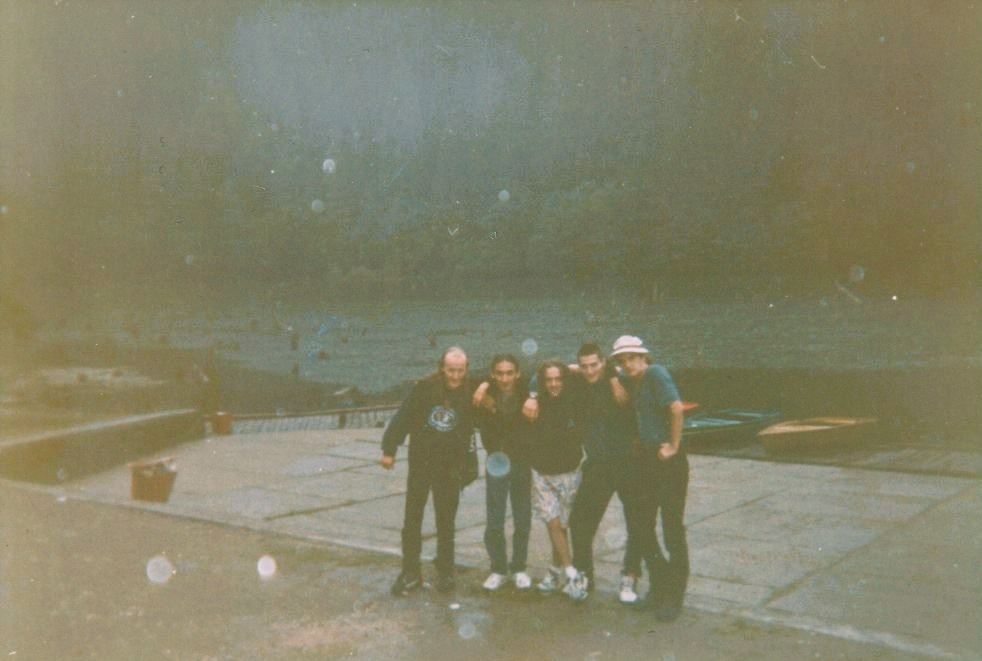
The following September, from the 23rd to the 25th, the band appeared on the Posada programme as an invited act. In August, Anarhia's name was also printed in Deva. The August 27, 1998 issue of Cuvântul liber announced the first East West Heaven Festival for the following evening at Boș, near Hunedoara. Radio COLOR Hunedoara and Germany's B-YOND had chosen twelve bands from thirty applicants. Alongside Dirty Shirt, Kogaion, Defect, and Biodome, the announced lineup included Ipse, Defender, Another Sad, Celest, Forma, Invers, Clones, and Realism. Florin Silviu Ursulescu, Doru Ionescu, and Paul Ciuci were expected on the jury. The prizes could include a cassette and an instrument; admission and the minibus from Hunedoara to Boș were advertised as free, with departures planned from in front of Hotel Rusca beginning at 4 p.m. 59 Anarhia was scheduled to play after the competition. The surviving newspaper item is a preview, and it is uncertain whether the event took place as planned. One year after the Muscel prize, the printed programme would have given the band from Lugoj the closing slot of the evening.29
Three Lines on the Cassette
Entering the Someș Valley, the same city once again had names in several languages. Alongside the Roman Napoca and the Clus recorded in 1173, the names Kolozsvár and Klausenburg also endured. The Jesuit college gave local higher education an institutional form from 1581; a modern university was established in 1872, followed in 1919 by a reorganization into a Romanian-language institution. Behind the name Cluj-Napoca, official since 1974, stood a university city whose economy had expanded into mechanical and processing industries. In the 1990s, the decline of heavy industry and rising unemployment reshaped the city. Anarhia's journey led to a smaller part of that world, where a band could finally see a printed studio credit beside its name.30
The beginnings of ProMusic
In Brândușan's recollection, the idea for ProMusic arose in 1996, while the label's releases began in 1998 with the Romanian Metal Underground compilation. He spoke of seventeen further releases, including material by Cronos, Protest, Dirty Shirt, and Anarhia. Festivals opened production opportunities for groups such as Defect, Voices of Silence, Indian Fall, and Dirty Shirt. On Monday rock nights at Cluj's Club MAX, bands without contracts with the label could also perform. The network had domestic shops and foreign partners. Some titles could reach destinations from Spain to Russia, Belgium to Bulgaria, Germany to Austria, and even Japan, Canada, Indonesia, or Mexico. The particular distribution routes and number of copies of Nici o vină remain unknown. Its cassette release nevertheless appears in a foreign report on the early Romanian scene.311
Recording at Glas Transilvan
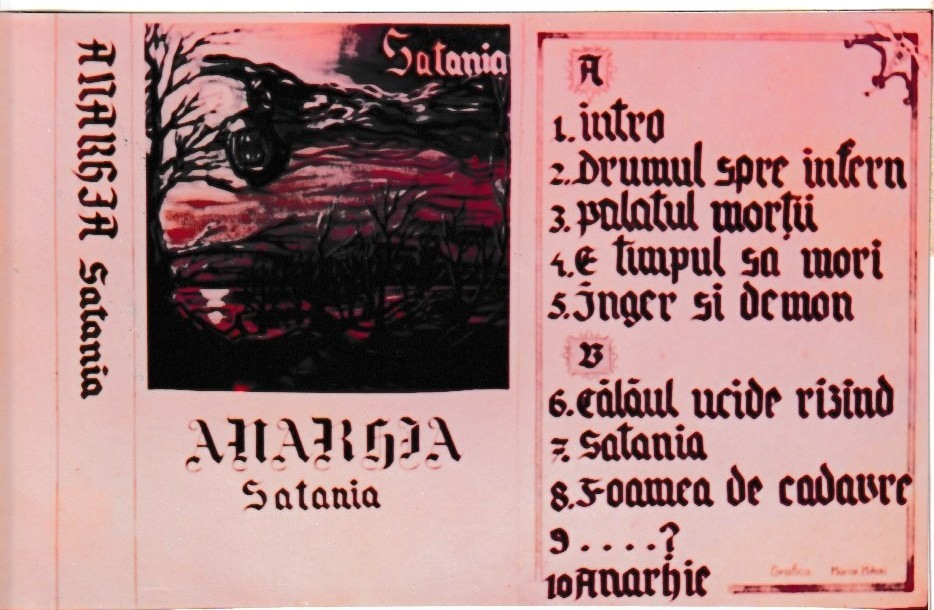
Three brief lines on the back of the Cluj cassette reveal how the work was divided. The recording was made at Glas Transilvan in Cluj-Napoca; Oly and Anarhia shared the mixing credit, and Nelu Brândușan was the producer. Livadariu associates Oly with the studio. Oly's full name and the number of recording days remain unresolved, as do the mastering, the songwriting credits for individual tracks, any separate recording-engineer credit, and the catalogue number. The cassette's inner sleeve, however, explicitly credits Adrian Dumitrescu with the photographs. Mihai ‘Moritz’ Moroz sang, Attila ‘Otty’ Babics and Adrian Blaj played guitars, Adrian ‘OQ’ Neagoe keyboards, Fane Livadariu bass, and Marius Bosneac drums. The band's name appears once more in the mixing credit. Taine also associated its work on Cealaltă Parte in 1998–99 with the same studio, label, and producer. At one point, the two bands' paths led to the same place, even though the music they brought there was different.3255
Behind the cassette release
A cassette still required money after the recording was finished. Using Bestial Records as an example, Adi Mihailov explained how duplication, artwork, promotion, and tax consumed the proceeds from each copy sold. At the price of 35,000 old lei in February 2002, those costs accounted for 25,000 lei. He estimated that about 1,200 copies would have to sell to recoup the $400–500 cost of a medium-quality or good studio. Even a small discounted advertisement in Heavy Metal Magazine could bring letters from across the country. In autumn 1996, Negru, drummer of Negură Bunget, approached Mihailov with a demo. Earlier Wiccan Rede material had already passed through their distribution network. Zîrnindu-să was recorded at Magic Sound in Bucharest in December 1996 with Oliver Vegh's involvement and released in January 1997 as Bestial's first title of its own. The label was also sustained by the Bestial Music Shop's broader selection, a newsletter, and its own fanzine. In 2002, Mihailov spoke of some 1,400 newsletter readers and three issues of a fanzine printed in runs of 700 copies. He counted organized trips to concerts in Budapest as part of that work too. By his recollection, he had arranged such journeys to more than thirty concerts over four years. Brândușan regarded them as both rivals and professional partners. On his side, poor demo sound, limited exposure, and the ease of copying MP3 files made it difficult to break even. ProMusic tried to stay in touch with listeners through a newsletter.33
When Adrian Ilie and Chiriac considered founding a magazine around the time of an Annihilator concert in Târgu Mureș, print still seemed the obvious format. Ilie eventually calculated that it would require $30,000–40,000 in initial capital and sales of roughly six thousand copies a month. The hmm.ro website could start with less, but trust in cash-on-delivery payments, the purchasing power of readers, and remuneration for writers remained problems. Speaking about Romanian distribution of Century Media, Dream Catcher, and Spinefarm, Ilie insisted on formal company contracts. In the same series of conversations, Chiriac recalled interviews and radio programmes. Ian Gillan and Uriah Heep were among his examples from the early years. He found national visibility at least as difficult to build as professional contacts abroad. In the story of the 1998 cassette, one can already see why a festival prize leading to a recording, a studio, a small label, and space in the press all mattered at once.34
On August 17, 1998, Russia announced a widening of the ruble's exchange-rate band, a restructuring of maturing government securities, and a ninety-day moratorium on certain foreign payments by the private sector. In the weeks that followed, investor confidence was shaken worldwide, and financial markets experienced greater volatility. 60 An IMF statement dated October 6, 1998 projected a further decline of around four percent in Romanian GDP after a fall of nearly seven percent the previous year. By August, monthly inflation had slowed to below one percent, but pressure on interest rates and the budget persisted. That year, Industria Textilă in Lugoj lost 508 jobs. Drawing on the company monograph, Ghinea reported a further 405 layoffs in the following year. Across nine years, 3,206 people were dismissed. By the time of the court-supervised restructuring on April 21, 1999, the reported factory workforce had fallen to 91. A 2020 urban study gathered accounts from former employees and nearby residents of how the links between work, housing, and factory services had broken apart, and identified several abandoned industrial sites. Meanwhile, the cassette still bore its release year, 1998, without a precise date. Romania was then an associate of the European Union and a participant in NATO's Partnership for Peace; full membership still lay ahead. Further west, both the entry into force of the Amsterdam Treaty, signed in 1997, and the introduction of the euro as a non-cash currency fell in 1999. At the same time, small businesses distributing Romanian records already had to operate their own networks of studios and shops.35
Artwork, lyrics and musicians
On the cassette's fold-out insert, the names of the contributors emerge from behind the sparse studio credits. Adrian Dumitrescu is credited for the photographs, Miță for the cover and lyrics. ‘Săracă inima mea’ is labelled as drawing on a folk source, while ‘Anarhie’ is accompanied by the name Sex Pistols. OQ is also credited with vocals as well as keyboards. In interviews during the following years, the band's music was given many different stylistic labels, but this small-print list from 1998 already showed how the record brought together different roles, inherited melodies, and words in the band's own language. A later secondary compilation of album details identifies the mixer credited as ‘Oly’ as Oliver Vegh, but the original cassette gives only the name Oly.5557
The back cover lists five songs on side A and six on side B. In the six individual portraits inside, the musicians left more than a record of who did what. They thanked friends, family members, former bandmates, and those who helped around the concerts. Atty's acknowledgements include Robert Vizi, the former drummer. The cassette's printed interior therefore preserves the memory of the Lugoj community as well as the studio work: these expressions of thanks are not additional musician or engineer credits, but traces of the life that gathered around the recording.55
A Face Out of the Darkness
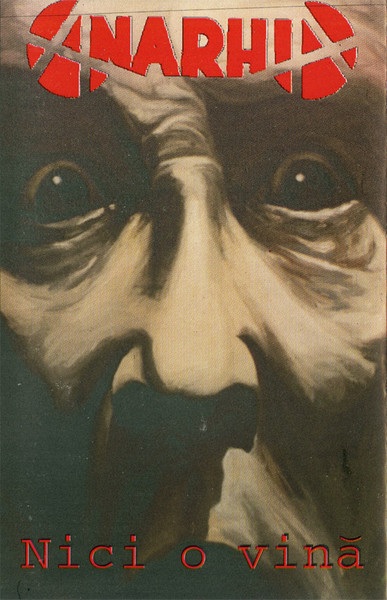
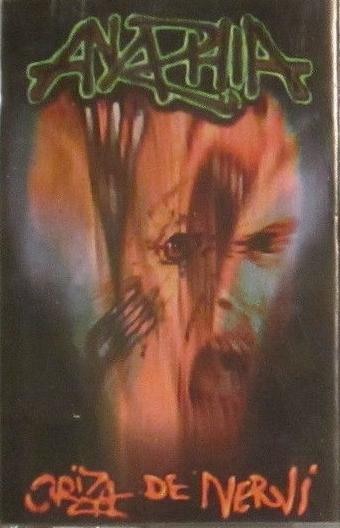
On the front of the cassette, the face is so close that much of the forehead and chin lies beyond the frame. A white point glows in each deep brown-black eye socket. The nose emerges from yellowish light, while at the edges the paint shifts into pink and reddish brown. Below the eyes, bands of light and darkness alternate more rapidly. The effect makes the face seem at once like living skin and an immobile mask. The red lettering ANARHIA is broad and hard-edged; below it, the paler letters of Nici o vină are almost swallowed by black. The gaze reaches the viewer before the title does. By the time the words become legible, their claim of innocence may sound either like a defence or an accusation. There is barely any background left to establish who is looking at whom. The cassette insert names Miță as the cover artist; the picture's original conception and the identity of the person depicted remain unknown.3655
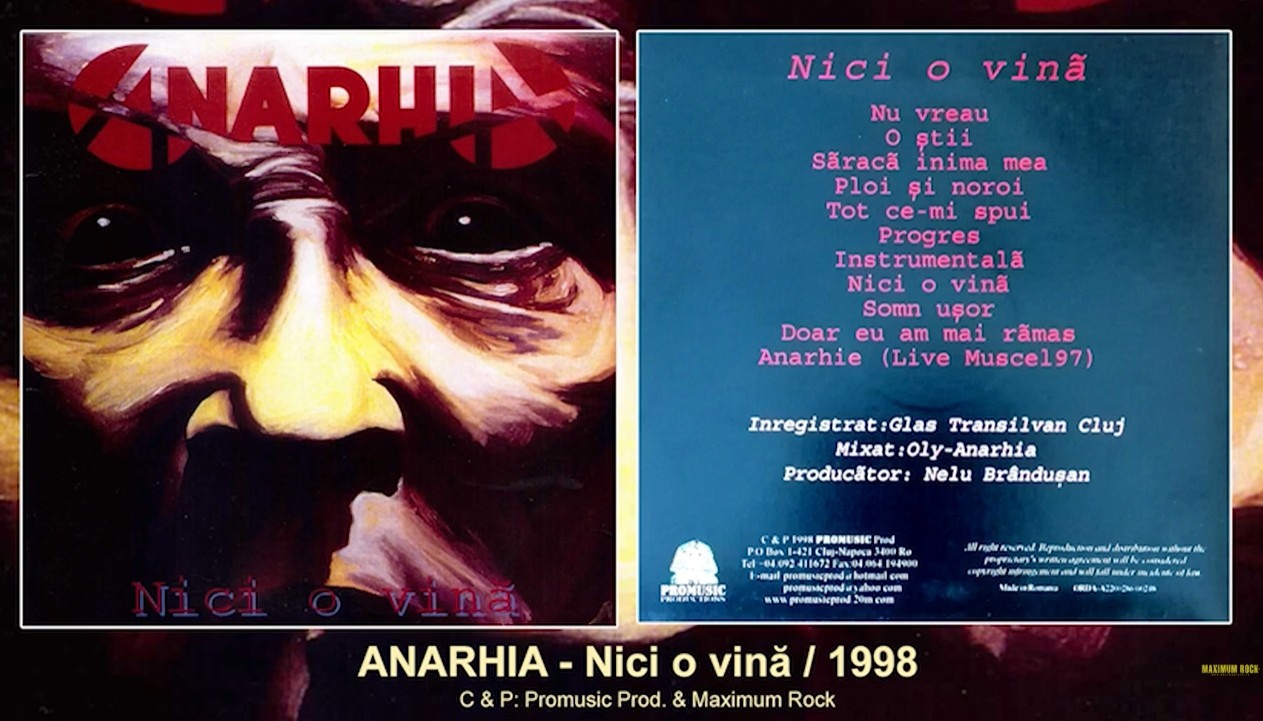
On the back, a blue field, a pink track list, and white studio credits replace the dark face. The layout is calmer, yet the darkness associated with the title track belongs closer to the front. An undated review heard gothic shades in that piece. The tension between the black beneath the eyes and the yellow paint resembles the contrast reviewers perceived between the record's darker atmosphere and the immediate weight of its riffs. In the picture, bright bands repeatedly interrupt the darkness. Seven more titles must pass in the cassette's running order before the sentence first encountered by the eye finds its place in the music as well.372
Inside the cassette, the face also has a name attached to it: Miță is credited for the cover, and the singer on the recording is named Mihai Moroz. The name identifies the artistic credit; it does not explain how the portrait's painterly treatment came about or whom the picture represents. The photographs associated with the recording carry Adrian Dumitrescu's credit. On the inside of the booklet, the musicians' portraits face the listener differently from the confrontational face on the cover: each has a name and personal acknowledgements. The cassette works with these two kinds of closeness: a single concentrated gaze on the front, six individual voices inside.55
The Two Ends of the Tape
‘Nu vreau.’ The very first title establishes a situation in speech. Someone says no. One surviving account of the album's opening emphasizes mood and atmosphere, then approaches the more contemplative moments in the remaining songs from that starting point. The next title, ‘O știi’, already contains the second person to whom those words can be spoken. In the third, ‘Săracă inima mea’, the speaker points to their own heart. The latter track was described as having a crossover character. Read in sequence, the titles create the closeness of direct address, while the critical recollection leads from an atmospheric opening to a composition that moves in a different way. No equally detailed account of the individual arrangement of ‘O știi’ has survived.372
In ‘Ploi și noroi’, rain and mud give the weight a name. The review singled out large, pounding riffs. At five minutes and sixteen seconds, this is the first track lasting more than five minutes. ‘Tot ce-mi spui’ then brings back the other person's voice. Alongside its agile rhythm, the reviewer judged the vocals more favourably here than at certain other points on the album. The shifting effect of Moroz's half-spoken delivery comes through in these two adjoining observations. At the midpoint of the sequence, ‘Progres’ simply puts the word progress on the cover after the personal addresses. We know less about the song's lyrics and rhythmic construction than about its position in the middle of the track list. It stands between ‘Tot ce-mi spui’ and ‘Instrumentală’.382
At two minutes and forty seconds, ‘Instrumentală’ is the shortest track. It is followed immediately by ‘Nici o vină’, the title track associated with a dark, gothic description. The album's title finds its place late in the running order. The same review then heard the fierce drive of thrash behind the good-night wish of ‘Somn ușor’. Lasting five minutes and fourteen seconds, it is the record's other track longer than five minutes. After the darkness of the title track, a title promising peace is paired in the review with a harder musical motion.382
‘Doar eu am mai rămas’ says ‘only I remain’ near the end of the studio tracks. The back cover preserves the title in its original form. It is followed by ‘Anarhie’, familiar from the time of Satania, here labelled ‘Live Muscel ’97’. The penultimate track names solitude; the closing song preserves an earlier live recording. Muscel returns at the end of the cassette, although the exact concert date remains uncertain. In 2021, Livadariu was already imagining that, when the band returned, the crowd might once again shout the ending of the song with them. The tape preserves an earlier live version of that same number.39
The timings given by Spirit of Metal assign four minutes and thirty-four seconds to the inward-looking opening. ‘O știi’ then lasts three minutes and forty-three seconds, and ‘Săracă inima mea’ two minutes and fifty-eight seconds; the cassette thus moves from an address to one's own heart. ‘Tot ce-mi spui’ lasts four minutes and eleven seconds, ‘Progres’ four minutes, and the title track three minutes and thirty-six seconds. The last two tracks run for two minutes and fifty-seven seconds and then two minutes and forty-two seconds. The entire sequence lasts forty-one minutes and fifty-one seconds: enough space for the weight of the guitars, the presence of keyboards, the darker second half, and finally the return to an earlier stage. Meanwhile, the refusal, direct address, innocence, and solitude expressed by the titles form an arc of language, although the story of the complete lyrics remains open.3812
The world of the lyrics
The lyrics open up what the titles had only suggested. ‘Nu vreau’ describes a world turned upside down, seasons exchanged, and human relationships reversed; its refusal protests against an uncertain moral order. ‘O știi’ is stretched between two lives forced side by side: one has education and security, the other poverty and vulnerability on the street. The cassette identifies the lyrics of ‘Săracă inima mea’ as taken from a folk source; the precise version within that tradition cannot be determined with complete certainty from the surviving textual sources.5556
After the rain and mud, more than the weight of the riffs remains alongside the words. ‘Ploi și noroi’ speaks of the pressure to leave or stay, poverty, helplessness, and the shaken possibility of hope. In ‘Tot ce-mi spui’, the speaker expresses the hurt of a breakup through coarse mockery and threats. This is not simply a painful declaration of love, and the aggression of the narrative voice must not be equated with the musicians' personal opinions. ‘Progres’ turns the promise of progress back on itself: amid freedom defined by others, self-deception, and wreaths imagined above a grave, the encouraging word takes on an ironic sound in the written lines.56
After the wordless ‘Instrumentală’, the title track addresses the mother directly, then confronts claims about the state of the country, government, wages, and happiness with lived experience. Here ‘Nici o vină’ is less a serene acquittal than a bitter question: who can call themselves innocent? The gentle lullaby phrase of ‘Somn ușor’ is surrounded by grotesque, morally hollowing images of everyday work and petty profit. Behind this double irony, two different albums are not speaking: the same band is capable of bringing the words family, work, and society close to the listener while turning them inside out.56
The sleeping, aged ruler in ‘Doar eu am mai rămas’ is left alone without advisers or guards. In the final turn, the speaker becomes the solitary figure they had been watching. By contrast, the live ‘Anarhie’ closing the cassette sounds among people once more. But the printed booklet preserves another connection: it identifies the music here as borrowed from Sex Pistols. The early Satania and the stage in 1997 thus connect more than the band's own compositions; they also bring together a Romanian band's continuation of an international punk inheritance. The precise textual relationship between the Romanian lyrics and the punk original cannot be established in every detail from the surviving documents.5556
The combined running time of the surviving digital versions of the eleven songs is approximately forty-one minutes and thirty-seven seconds. Spirit of Metal gives a different total, forty-one minutes and fifty-one seconds. Differences in running-time data do not, by themselves, clarify the exact roles of the instruments heard on the recording.58
Searching for a Name for the Sound
For those who had followed the Romanian record industry from the old import restrictions to ProMusic's cassettes, the name promised punk or hardcore. They found weight in the guitars, with Machine Head offering one point of comparison. For the less predictable turns, Faith No More came to mind. Shouted interjections and atmospheric keyboards could coexist on the same record. The use of Romanian in the vocals drew particular attention. The eclecticism was regarded as a strength, and the finished music as broader than expected. Another surviving, undated account approached the music through groove, post-thrash, and progressive colours. It heard the album as more contemplative and sometimes found Moroz's half-spoken singing less distinctive. On two tracks, the same approach worked better for that reviewer. One perspective listened for the coexistence of different elements; the other considered how successfully they came through alongside one another in each song.12
At the time, such comparisons pointed in many directions. Roadrunner, established in 1980 as an independent European importer, had also operated in the United States since 1986. During the 1980s and 1990s, its releases included artists as different as Sepultura, Type O Negative, Machine Head, and King Diamond. In January 1992, Nevermind reached the top of the US chart, and sounds previously regarded as subcultural found a wider audience. From Brazil, Sepultura's Chaos A.D. offered an example of how the weight of thrash could be joined with hardcore and different rhythmic emphases. After Beneath the Remains and Arise, that movement had travelled a long way by the opening track of Chaos A.D. Max Cavalera recalled seeing a protest slogan in a New York subway that fed into ‘Refuse/Resist’. According to his recollection, the track begins with a recording of his son Zyon's heartbeat made before the birth. Andy Wallace also worked on the production. The song was released as a single in February 1994. Roadrunner's 1998 catalogue also included Imprint by Vision of Disorder and Breed the Killers by Earth Crisis. The two American groups spoke from different sides of the borderland between metal and hardcore. 61 Meanwhile, the Romanian cassette retained its own language and its own town. Foreign band names supplied reviewers with a vocabulary for describing what seemed familiar or unexpected in what they heard.401
Genre labels and interpretations
Looking at the story from Lugoj, Ghinea emphasized power/hardcore and the directness of Romanian words. The Spirit of Metal entry described the music as death thrash; in 2025, Doru Ionescu recalled the band as techno-thrash. Fane described the changes through personnel shifts and the experience of working together. One label reflects a competition category, another the ordering principles of a database entry, and another a listener's experience. All the while, the 1998 cassette travelled ever further from the studio as more listeners sought a name for the music it preserved.41
Regardless of genre labels, the surviving lyrics form a troubled but far from uniform mode of expression. They contain a world turned upside down, social inequalities, the contradiction between money and decency, words spoken and left unspoken in public life, personal anger, and an allegory of old age. Foreign critics noticed the use of the band's native language as a distinguishing feature of the sound; the cassette's lyrics now reveal how many different experiences entered that same Romanian voice. Taken together, these different voices portray the album's world vividly, though there is no reliable evidence for a single ideological programme jointly formulated by the band.56
After the Rehearsals
Fane recalled that a year after the first album, the band was already playing material from its next set on television. He dates the appearance on Florin Călinescu's ProTV programme Chestiunea zilei to 1999. ‘Nu mai sunt români’ belonged to the emerging Criza de nervi period. Ghinea also mentions the broadcast, but neither its exact date nor a complete recording of the programme has been identified. The final track on Nici o vină still preserved the stage in 1997. The song performed on television, meanwhile, already belonged to the next record, which would take much longer to find a release of its own.42
Livadariu recalled two offers, one from MediaPro and the other from Zone Records. The band chose Zone. According to Fane, the label later decided the material was too underground and withdrew. Ghinea places the Zone plan around 2000, while some articles already date the release to that year. Livadariu, however, remembers roughly four years between completing the songs and their release. He associates the release with 2003 and ProMusic. A ProTV preview from 2025 gave 2000 as the release year and 2001 as the end of active operations. The completion of the songs, the offer, and the actual release could have occurred at different times. The available accounts still do not allow the release year to be established conclusively.43
Making a living, studios and changing course
For Blaj, one measure of all this was the price of a guitar string. He recalled that, after a decade of playing together, he still had to ask his father for money even for that. He had wanted to bring band and promotional work closer to earning a living, and felt unable to persuade the others. Looking back, Livadariu put the joy of playing music first. These were two different experiences of having to find ways to rehearse, maintain equipment, and travel year after year. After Babics moved to Germany, distance itself placed limits on rehearsing together. Moritz associates the end of the old lineup with that move.44
In Flavius Buda's recollection, the Lugoj studio was still providing work during this transition. ApocalipS recorded its cassette there in autumn 2001, he said in a 2019 interview. According to him, Anarhia, Makrothumia, Argus, and Grimegod also took part in the second Apocaliptic Fest. Compared with the first edition in 1999, the later event could now cover travel, meals, and performances. A band database lists a Live at Deva cassette for 2001. The Posada programme chronology also mentions Anarhia on October 3, 2002. Ghinea placed the interruption around 2001, while Fane dated the long break more to the period after 2003. The dates may differ depending on whether people were speaking about the lineup, live performances, or the second album. The old lineup scattered, the name continued to appear in programmes, and differing memories survived of when the second record came out.45
Without Babics, Moritz founded Lunatic with several other members of Anarhia. The new songs turned towards alternative rock, drawing on progressive, blues, and industrial elements. Fane remembered calmer, more melodic music, at times comparing its atmosphere to The Tea Party. They played few concerts and released no official album; Moritz placed their last performances around 2004–2005. According to Fane, the singer would have preferred to continue along this path, while Moritz also spoke about the new material's independence and the friendship that remained within Anarhia. Meanwhile, Fane moved to Belgium, Moritz pursued visual art, and Blaj began working in radio. After periods at Radio Prahova in 2007 and Radio 21 in 2008–2010, he continued working in radio and television. Looking back at Anarhia's early opportunities, he reflected on the lack of internet promotion.46
Back on Stage
In Lugoj in 2013, the Road Patrol motorcycling community provided the occasion for another reunion. The announcement for Rock pe 2 roți gives August 2–4, while one date line in a later article says July 3. In people's memories, the performance remained associated with the August event. Alongside Anarhia, the names Gothic, Dirty Shirt, Pandora, Black Flang, Grave for Sale, Addiction, Vespera, Harmony, and Reversed appeared on the bill; AB/CD, a band playing AC/DC songs, came from Hungary. Babics had to attend the opening of a hospitality venue in Germany. Participants also remembered OQ being present, and Lunatic songs were played. The songs of the old Anarhia and the later Lunatic were heard on the same evening.47
Two years later, another event looked back at the Romanian scene of the 1990s. The 2015 edition of Rock-ul anilor ’90 brought Doru Ionescu, Nelu Stratone, Lemi Black, and Gabi Gomboș together with Taine and Abigail in connection with the period from 1994 to 1998. The history of Vox Pop Rock, Heavy Metal Magazine, Top T, and Posada also preserves Gomboș's work as an organizer and editor. Alongside the old performances, the people who had given earlier concerts a venue and printed the bands' names thus became visible as well.51
The return to Gugulan Rock
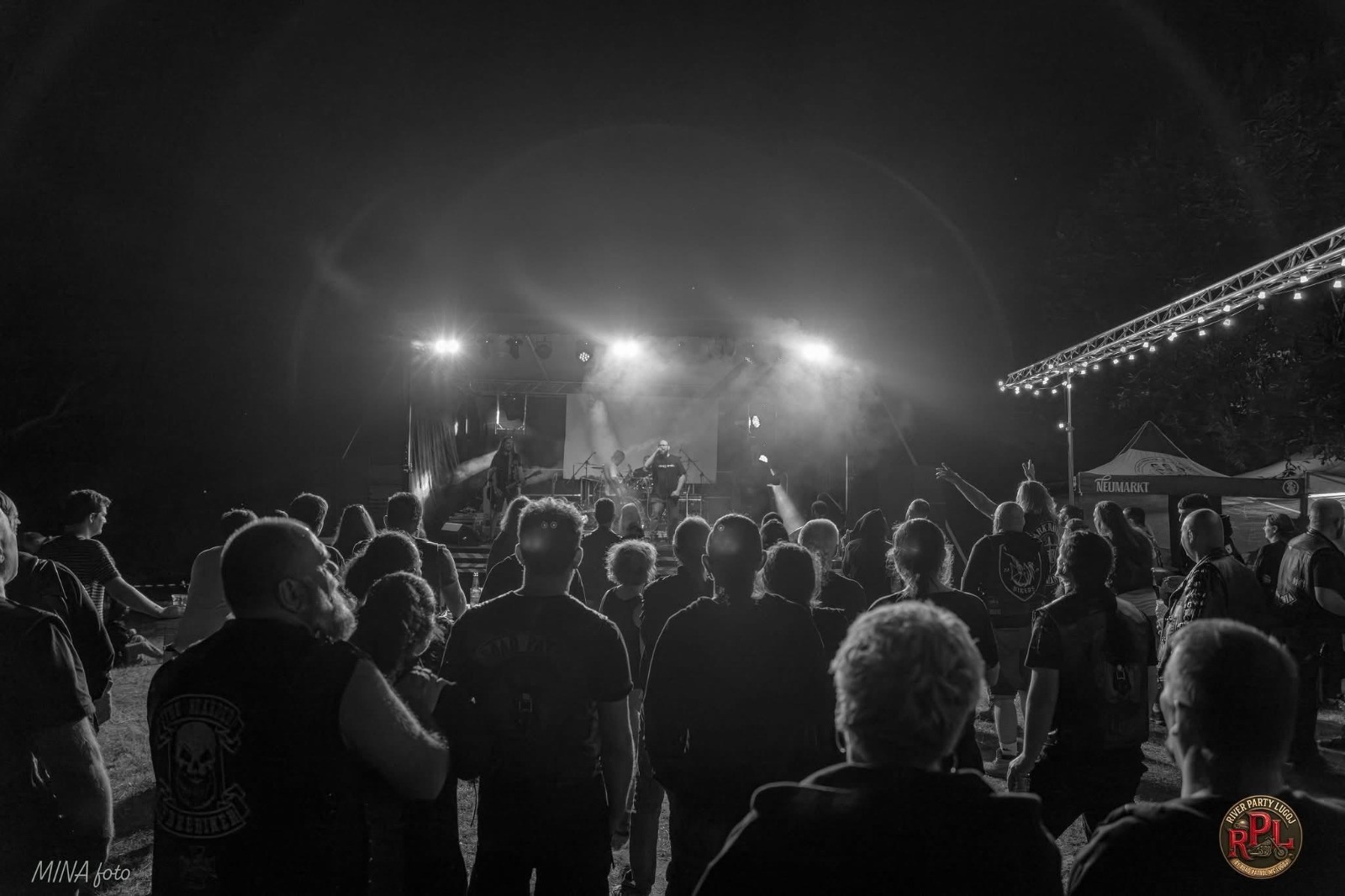
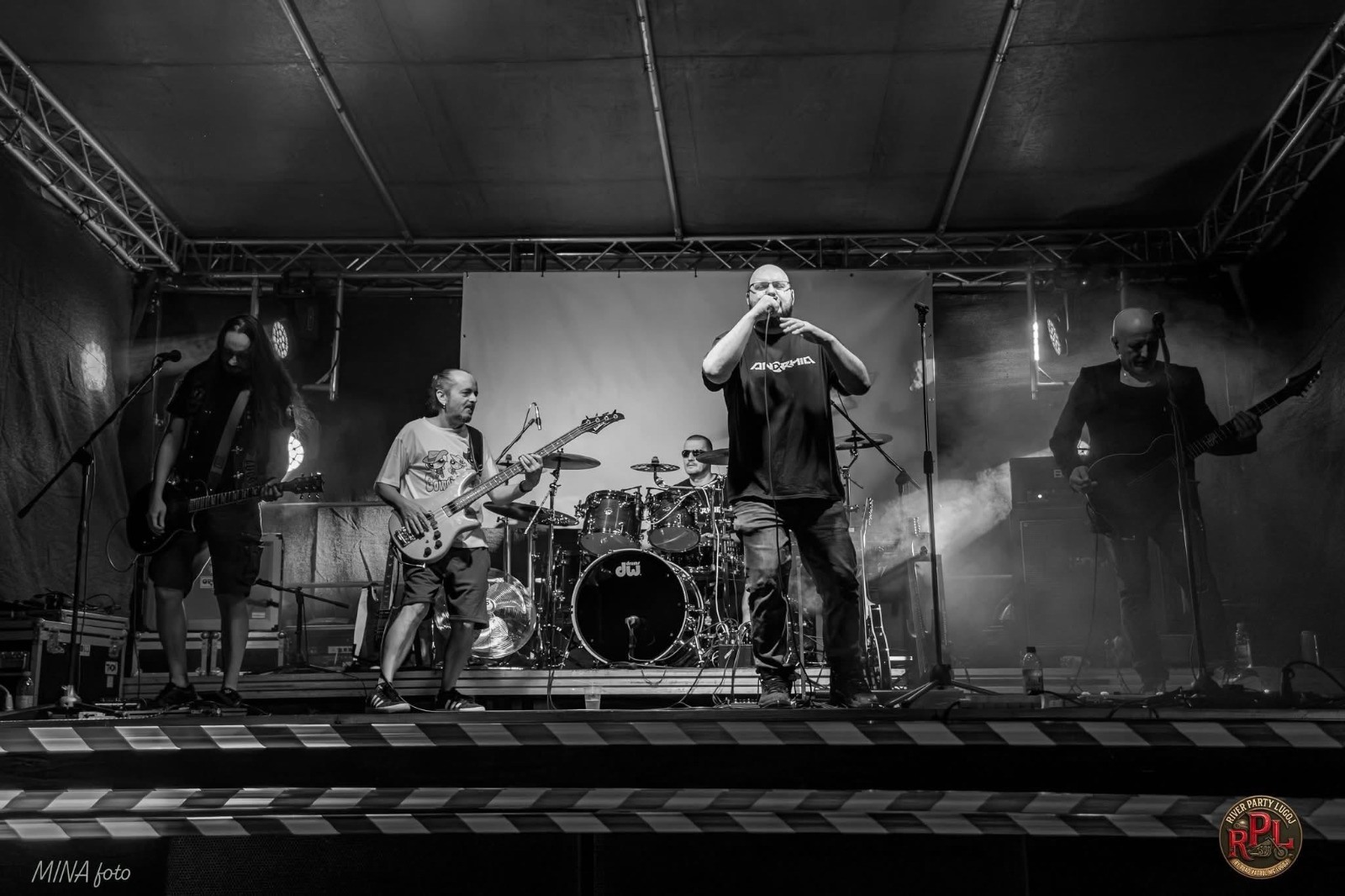
In 2021, Leo and Cosmin invited the group to Gugulan Rock in Caransebeș on the strength of an old friendship. The festival took place from August 13 to 15. Anarhia played near Valea Cenchii on the first evening, on a bill that also included Bucovina. Beforehand, Road Patrol in Lugoj had provided space for rehearsals and a performance in front of an audience. Babics regarded it as a public rehearsal. For him, it was roughly his first Anarhia concert with the others since 1999. Old conflicts of interest surfaced during rehearsals, but he thought they could be resolved among friends. With members living far apart, digital collaboration was also discussed. The five musicians spoke individually about the upcoming performance in a Hub Media Lugoj report dated August 11. OQ was in the Netherlands, and the pandemic made meeting in person more difficult. Babics and Livadariu could even imagine a different name or a more contemporary musical direction.48
For Moritz, it mattered that the heavy songs should sound good. After the old competitions and journeys, he set a standard of quality for the reunion as well. He planned a programme of Anarhia and Lunatic songs, but distance made further work together uncertain in his eyes. Bosneac could feel the drum parts of twenty years earlier in his hands and arms. They had once practised four or five hours a day; relearning the songs now brought blisters and calluses. Even so, he was surprised at how quickly playing together felt familiar again. He wanted to continue and also had the locally available Miță Subota in mind. Livadariu experienced it differently. The bass lines seemed almost to return to his fingers on their own. If at least twenty people shouted the ending of ‘Anarhie’ along with them, the evening would already be worthwhile to him. On stage, he felt part of the audience himself.49
Subota began by helping with the technical side of sound reinforcement and rehearsals. Prerecorded tracks were used in place of absent guitarists, until he was asked to play live. He had still been a child when the old songs were written. For him, the music became personal experience during the rehearsals in 2021. He found the intensive work together constructive and hoped for regular rehearsals, concerts, and new songs. At the same time, he saw few young instrumentalists or new listeners in Lugoj. After the concert, the band began working on new material. According to Fane, Moritz and the others imagined different directions; the singer eventually left. Bogdan ‘Biggie’ Gaspar arrived, Subota remained on guitar and backing vocals, and Babics wrote the new songs. Four or five new numbers stood alongside the old material in the first sets.50
New stages and new plans
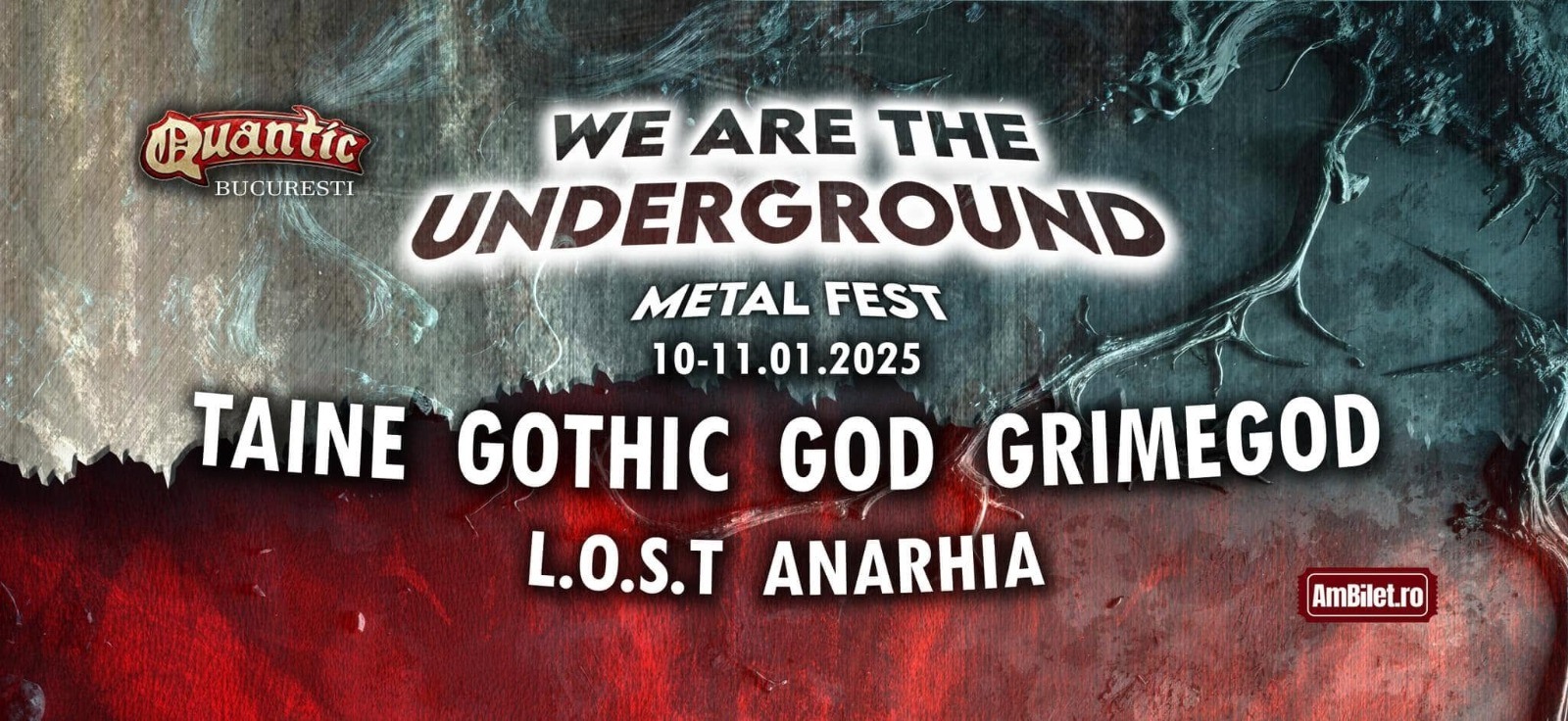
On August 16, 2024, Anarhia returned to the Gugulan Rock stage. In Fane's recollection, the band played after Fittonia and Reverse The Moment and before Dor De Duh and Equilibrium. That same year, according to Fane's chronology, a poster for September 28 at the Road Patrol clubhouse in Lugoj marked another stop. On the following January 10 and 11, several names from the 1990s scene met again at the We Are The Underground festival at Quantic in Bucharest. The programme graphic published by Actualitatea Muzicală preserves the Friday running order: Anarhia at 7:30 p.m., God at 8:50 p.m., and Taine at 10:30 p.m. An earlier ProTV preview had still given Anarhia's starting time as 8 p.m. Saturday's bill featured Cronos, L.O.S.T., Grimegod, and Gothic. Ionescu linked the history of these two evenings to festivals in Buzău, Satu Mare, Câmpulung Muscel, and Râmnicu Vâlcea. He interviewed Babics and Livadariu, announced plans for two programmes of TVR Cultural's Remix, and recalled the old Rocker connection.52
At the second indoor edition of Rock The Valley, held at The Station in Petroșani, the band appeared on the second evening alongside Crumble, Gri, and Imund. Lugoj's 2025 River Party was advertised as a free event on the banks of the Timiș, with Biggie and Anarhia participating. The following spring, Luci Avramescu, singer of Mist and Architect of Chaos, replaced Gaspar, whom Fane thanked for his work on behalf of the band. On the opening evening of the second River Party, July 10, 2026, they performed alongside Apocalips. On the second day of NoRock Bun in Vulcan, August 7–8, Fane listed them with Mannou, Monday Shadows, and Compact. On October 16, old and new songs were played side by side at Nemesis Art Club in Timișoara. Livadariu regarded the evening as a return to the city after more than three decades away from its stages.53
In November 2026, Babics was on guitar, Livadariu on bass, Bosneac on drums, Subota on guitar and backing vocals, and Avramescu on vocals. Fane was planning a new album for the following spring, titled Trăiește, with compositions by Babics. A face once again looked out from darkness in an early draft prepared for it. At that point, it was still only a plan. Fane spoke of friendship and wanting to play music they could feel was their own. At the end of the old cassette, ‘Anarhie’, recorded live in Muscel, leads back to one of the story's starting points. The certificate preserved the placing; the tape preserved the live performance.54
Sources and references 61
All 61 complete source notes from the final EPUB, in two source categories. Each in-text superscript points to its corresponding source note.