


ANARHIA – A Story Without Compromise
15 questions and answers: Fane Livadariu, Anarhia. First-hand memories of Anarhia’s beginnings, early demos, the recording of the 1998 album, concerts and later reunions.
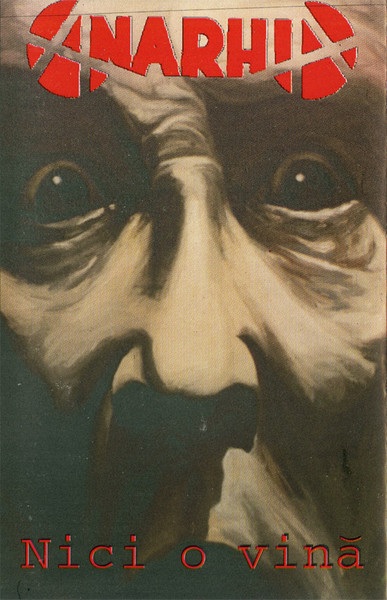
Fane Livadariu · Anarhia · 15 questions and answers.
Fane Livadariu photographic archive
Fane Livadariu provided 27 archival images for the Open Metal Album Library’s Anarhia history: band and concert photographs, cassette and document images, and event posters. We thank him for his contribution to preserving the visual history of the band.
Image archive and copyright: © Fane Livadariu. Original marks and photographer credits visible in the images are retained.
Select a small image to open its larger version.
01. Who first proposed forming Anarhia, and when and where was the decision made?
QUESTION
Open Metal Album Library: Who first proposed forming Anarhia, and when and where was the decision made?
FANE LIVADARIU / ANSWER
Fane Livadariu: In 1988, a group of us high-school students from Lugoj, brought together by our passion for music, decided to join forces and form a hard-rock band called Alisa.
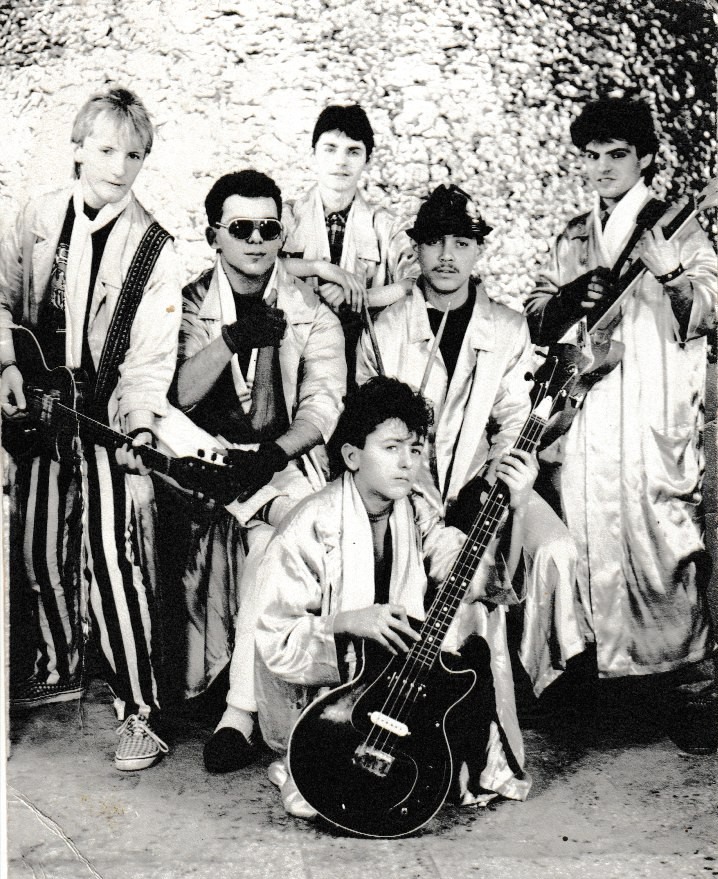
The original line-up was:
• Babics Attila – guitar
• Livadariu Fane – bass
• Vizi Robert – drums
• Todor Nelu – keyboards
• Ovidiu Takacs – guitar
• Dani Pitica – vocals
We wrote our first songs, played a few concerts and even took part in the student galas in Costinești.
After a while, though, we realised that this rather tame brand of hard rock wasn't quite what we were looking for.
Otty and I were already drawn to heavier metal, so we made a radical change: we abandoned hard rock in favour of thrash metal.
As our musical direction changed, so did the line-up. Nelu Todor, Ovidiu Takacs and Dani Pitica left the band, and Adrian Blaj joined on guitar. He was only 14 at the time.
A talented kid, but one for whom we older bandmates also had to take on the role of… babysitters!
And that was how the Anarhia story began.
02. What recordings were released under the title “Satania”, and what are their correct recording and release dates?
QUESTION
Open Metal Album Library: What recordings were released under the title “Satania”, and what are their correct recording and release dates?
FANE LIVADARIU / ANSWER
Fane Livadariu: In 1992, we released “Satania”, the band's first demo. It was self-produced with help from friends in Lugoj, people who had musical experience behind them or a musical future ahead of them.
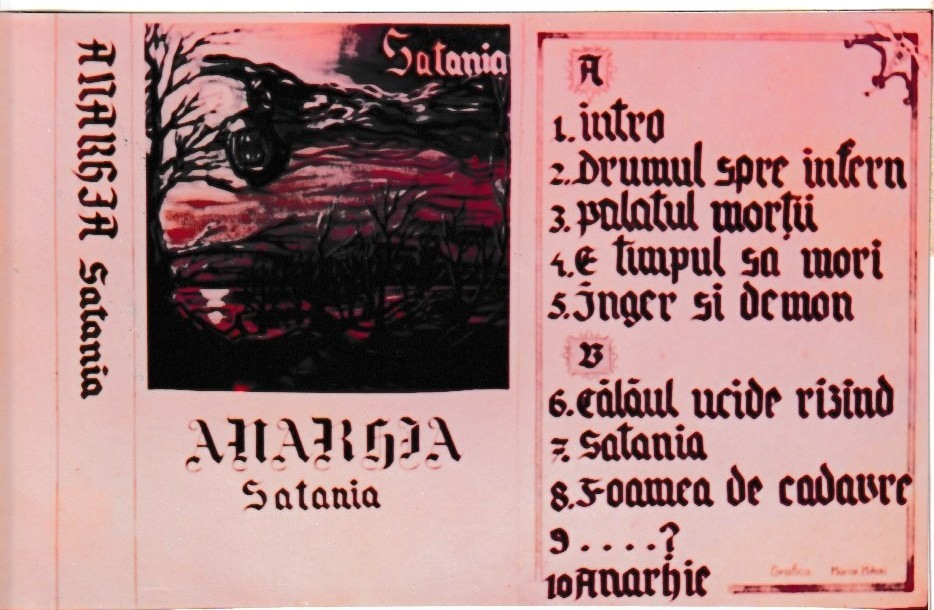
We promoted it with a concert at the Trade Unions' House of Culture in Lugoj. Fortunately, a recording of that concert has survived to this day!
Also in 1992, we made a video for “E timpul să mori”, which was broadcast on TVR 1 on Petre Magdin's now-legendary programme Întâlnirea de la miezul nopții.
For an underground band from Lugoj, appearing on national television was a major event. We were beginning to reach beyond the boundaries of our town.
03. How did the band's line-up change over the years, and why did members leave or join?
QUESTION
Open Metal Album Library: How did the band's line-up change over the years, and why did members leave or join?
FANE LIVADARIU / ANSWER
Fane Livadariu: After our period of military service, we went through another transformation.
Vizi Robert went to Hungary to buy himself some drums and… never came back!
We brought in two other musicians:
• Adi “OQ” Neagoe – keyboards
• Marius Bosneac – percussion
Marius was already regarded as a genuine local child prodigy when it came to percussion instruments.
With this line-up, we embarked on a new musical path. Thrash metal gradually gave way to a more hardcore sound, in keeping with the underground currents on the Romanian scene in the mid-1990s.
We were reinventing ourselves once again.
After those line-up changes and our move towards hardcore, we added a vocalist. That gave shape to one of the most important line-ups in Anarhia's history:
• Mihai Moroz (Moritz) – vocals
• Babics Attila – guitar
• Adrian Blaj – guitar
• Adrian Neagoe (OQ) – keyboards
• Fane Livadariu – bass
• Marius Bosneac – drums
For a while, “Simi” Jebelean also played drums.
04. What were your first major concerts outside Lugoj, and who organised them?
QUESTION
Open Metal Album Library: What were your first major concerts outside Lugoj, and who organised them?
FANE LIVADARIU / ANSWER
Fane Livadariu: With this line-up, we became increasingly active on Romania's underground scene, playing festivals and concerts around the country.
The festivals we appeared at included:
• Student Fest – Timișoara
• AltRock Fest – Șecu
• Young Rock for Youngs – Piatra Neamț, where we took second place
• Top T – Buzău, as a featured act
• SamRock – Satu Mare, as a featured act
We also played in Cluj-Napoca, Deva, Miercurea Ciuc, Sânnicolau Mare, Bucharest, Constanța, Caransebeș, Timișoara and, of course, Lugoj.
05. How did your collaboration with Pro Music Production begin, and how was the record distributed?
QUESTION
Open Metal Album Library: How did your collaboration with Pro Music Production begin, and how was the record distributed?
FANE LIVADARIU / ANSWER
Fane Livadariu: One of the most important moments of that period was our appearance at the Posada Rock festival in Câmpulung Muscel, where we won first place.
That victory brought us a major opportunity: a contract with the PRO MUSIC record label in Cluj-Napoca.
The experience we had gained during our underground years was finally beginning to take shape as a professional recording project.
06. When and how did you decide to record “Nici o vină”, and who selected the songs?
QUESTION
Open Metal Album Library: When and how did you decide to record “Nici o vină”, and who selected the songs?
FANE LIVADARIU / ANSWER
Fane Livadariu: After winning Posada Rock ’97, we secured a contract with PRO MUSIC in Cluj, making the release of “Nici o vină” in 1998 possible. It was a milestone for us, the culmination of years of stylistic and line-up changes, numerous concerts and competitions.
For us lads from Lugoj, the journey we had begun with Alisa in 1988 had led to something significant: an album released by a record label and an identity already firmly established on Romania's underground scene.
Track listing:
1. Nu vreau
2. O știi
3. Săracă inima mea
4. Ploi și noroi
5. Tot ce-mi spui
6. Progres
7. Instrumentală
8. Nici o vină
9. Somn ușor
10. Doar eu am mai rămas
11. Anarhie (Live Muscel ’97)
07. Where was the album recorded, and who handled the production, sound and mixing?
QUESTION
Open Metal Album Library: Where was the album recorded, and who handled the production, sound and mixing?
FANE LIVADARIU / ANSWER
Fane Livadariu: The album was recorded at Glas Transilvan in Cluj, with production credited to Nelu Brândușan. Mixing is credited to Oly (Glas Transilvan) and Anarhia.
08. Which line-up actually took part in the recordings, and what bass equipment did you use?
QUESTION
Open Metal Album Library: Which line-up actually took part in the recordings, and what bass equipment did you use?
FANE LIVADARIU / ANSWER
Fane Livadariu: The band's line-up for this album was:
• Mihai Moroz (Moritz) – vocals
• Adrian Blaj – guitar
• Otty Babics – guitar
• Adrian Neagoe (OQ) – keyboards
• Fane Livadariu – bass
• Marius Bosneac – drums
09. What happened to the proposed collaboration with Zone Records?
QUESTION
Open Metal Album Library: What happened to the proposed collaboration with Zone Records?
FANE LIVADARIU / ANSWER
Fane Livadariu: In 1999, we appeared on television again, this time on ProTV, performing “Nu mai sunt români” on Florin Călinescu's programme Chestiunea zilei. It was an important appearance that raised our profile and opened up new possibilities.
“Nu mai sunt români” was not on “Nici o vină”; it was one of the songs prepared for our next record, “Criza de nervi”.
After the ProTV appearance, we received two offers to make the new album: one from MediaPro and the other from Zone Records.
We chose Zone Records. Unfortunately, it proved to be the wrong choice. The songs had already been written, and we were about to enter the studio, but Zone Records pulled out of the project. The reason they gave, as we remember it, was that the material was “too underground”.
It was a disappointment, especially when things had seemed to be heading in the right direction. But we didn't abandon the album.
Eventually, our project was taken on by Promusic Production in Cluj, and we officially released “Criza de nervi” in 2003.
Four years passed between writing the songs and releasing the album. It was a story of missed opportunities, disappointments and sheer determination to see things through.
10. How and why did Anarhia's first period of activity come to an end?
QUESTION
Open Metal Album Library: How and why did Anarhia's first period of activity come to an end?
FANE LIVADARIU / ANSWER
Fane Livadariu: After recording and releasing “Criza de nervi” in 2003, we didn't play many concerts. Otty Babics had already moved to Germany, and our activity began to slow down. We carried on rehearsing, but our live appearances became considerably less frequent.
Alongside Anarhia, a new project initiated by Mita Moroz was taking shape: Lunatic. In fact, it featured almost the entire Anarhia line-up, with the exception of Otty.
Lunatic pursued a different musical direction: alternative rock with progressive rock, blues and industrial rock influences. It was a calmer, more melodic sound, with certain echoes of the atmosphere of The Tea Party.
Although it had good songs and promising potential, Lunatic never really established itself. There were very few live appearances and no significant record releases or artistic achievements.
Differences of opinion also emerged within the group. Moritz wanted to abandon Anarhia and continue exclusively under the Lunatic name. Others among us felt the new project risked drawing the band away from the path and identity we had built over so many years.
Our enthusiasm for this new direction gradually caused Anarhia to lose ground. We didn't take the warnings about drifting away from our main project seriously enough, and differences in outlook and personality eventually caused the inevitable explosion of the pot of sarmale [Romanian stuffed cabbage rolls].
Although some of us stopped carrying on at that point, we never officially declared Anarhia disbanded. It simply entered a period of “cryogenic suspension” that would last almost ten years…
Not long afterwards, Lunatic also went on hiatus. The project would later return, at roughly the same time as Anarhia began to show signs of waking up.
11. How was the 2013 reunion organised, and what did you feel when you stepped on stage again?
QUESTION
Open Metal Album Library: How was the 2013 reunion organised, and what did you feel when you stepped on stage again?
FANE LIVADARIU / ANSWER
Fane Livadariu: We made our first live appearance after almost ten years away in August 2013, right at home in Lugoj.
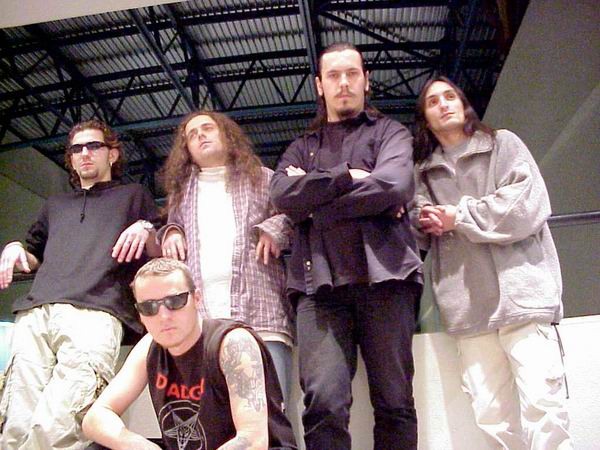
The occasion was the second edition of the open-air Rock pe două roți festival, organised by Road Patrol MC Lugoj.
We shared the bill with important names from the Romanian rock scene: Gothic, Dirty Shirt, Pandora, Black Flang, Grave For Sale, Addiction, Vespera, Harmony and Reversed. The special guests were AB/CD, an AC/DC tribute band from Hungary.
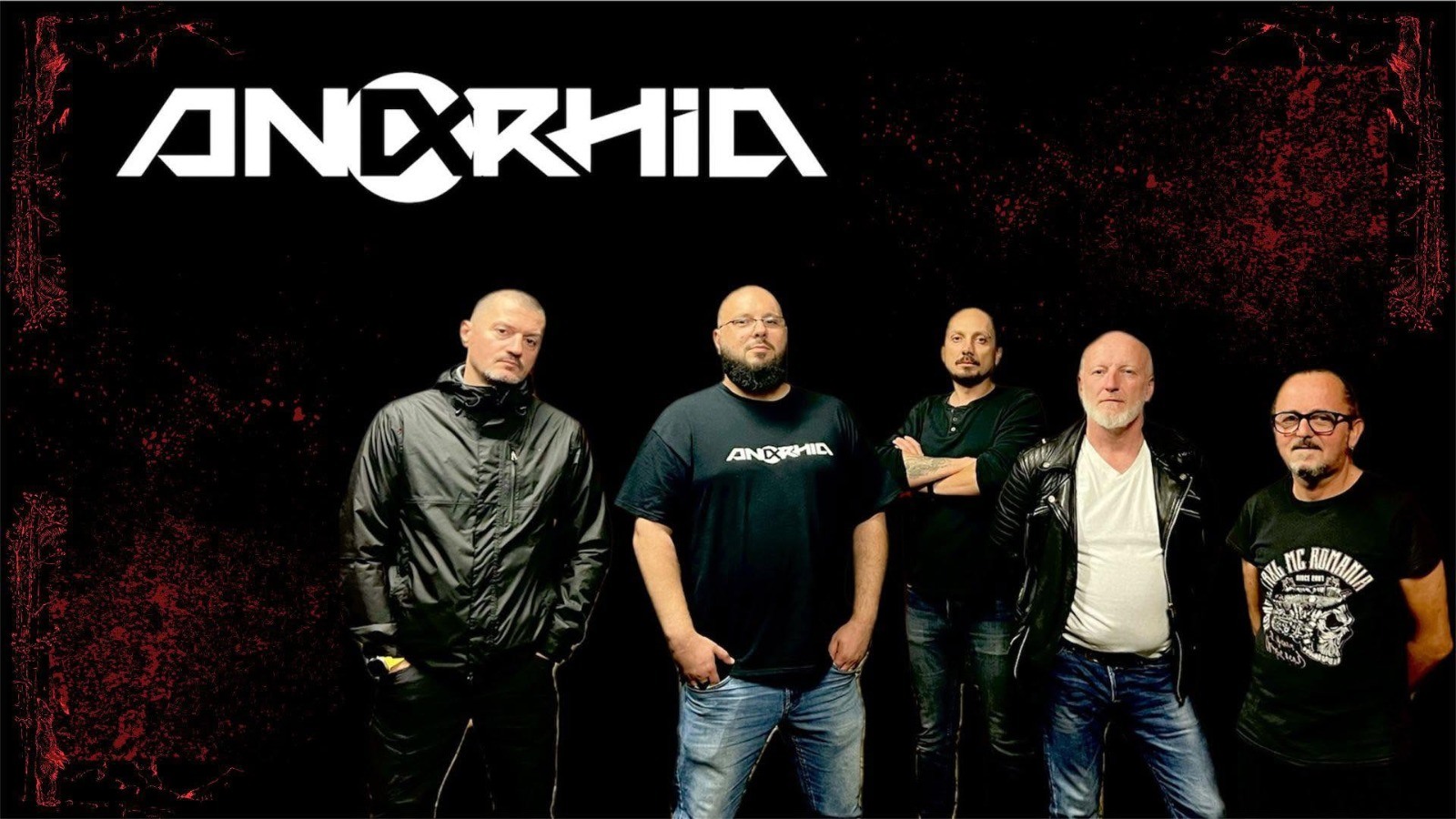
For us, it was a reunion with the stage and the audience, but it did not mark the start of regular activity. For the time being, it remained a one-off reunion.
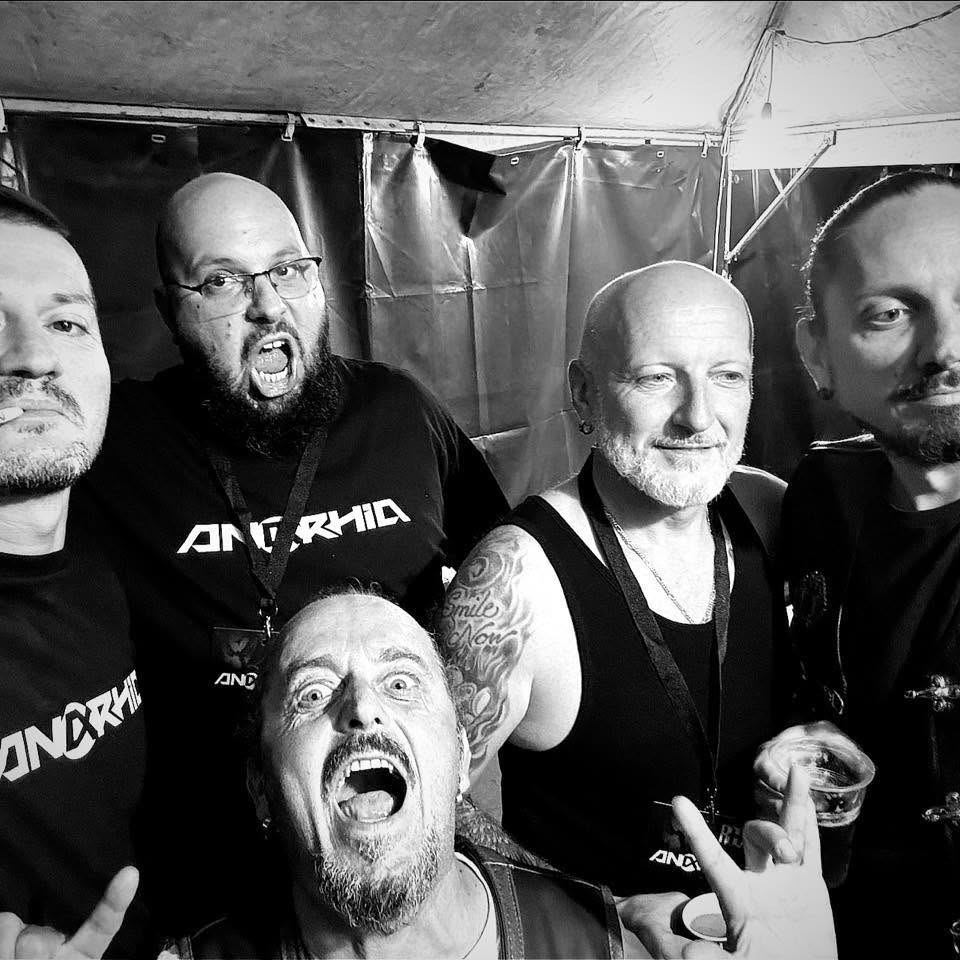
12. How did the return in 2021 come about, and who played a decisive role in it?
QUESTION
Open Metal Album Library: How did the return in 2021 come about, and who played a decisive role in it?
FANE LIVADARIU / ANSWER
Fane Livadariu: After that one-off reunion in 2013, we wouldn't return to the stage until the summer of 2021.
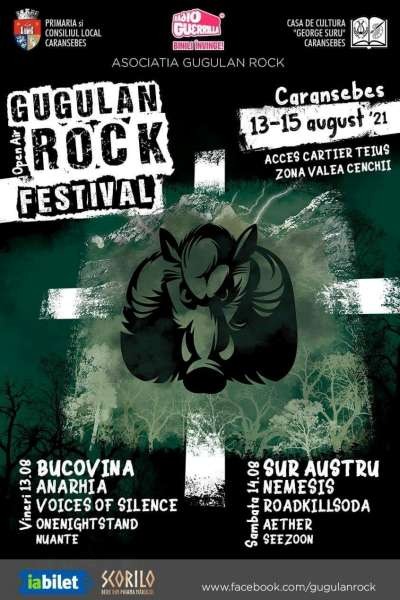
This time, the story began with a request from lifelong friends: Leo and Cosmin, the intrepid organisers of Gugulan Rock Open Air in Caransebeș.
They invited us to reunite for a festival appearance, and we enthusiastically accepted. We got back together, resumed rehearsals and prepared for the concert. But before the comeback itself, there was another important development: Miță (Mihai Subota) joined the band. He is a respected, self-taught musician from Lugoj, with extensive experience and a history of playing in several local bands. One of these was Lunatic, a project now known as ToT.
Miță joined us on guitar and backing vocals, roles he still holds today. He brought his experience and musical personality to the line-up preparing the band's return.
Then came our reunion with the audience on Friday, 13 August 2021, at the Gugulan Rock Open Air Festival in the Valea Cenchii area of Caransebeș.
That evening we shared the stage with Bucovina, Voices of Silence, Onenightstand and Nuanțe.
What began as a gesture of friendship and a reunion for a single concert turned into something much more important. Rehearsals rekindled our desire to make music, and getting back on stage brought back the urge to continue.
This time, we didn't go back into deep freeze. After the concert in Caransebeș, we decided to keep the band active and start writing new songs.
13. What changed in the band and its audience after 2021?
QUESTION
Open Metal Album Library: What changed in the band and its audience after 2021?
FANE LIVADARIU / ANSWER
Fane Livadariu: Returning to Gugulan Rock Open Air renewed our appetite for rehearsals, songwriting and performing. We began discussing which musical direction to take, the new songs and the place we should occupy in today's rock scene.
Not everyone saw things the same way. Moritz disagreed both with continuing under the Anarhia name—the name that, in a sense, had made us all who we were—and with the musical direction supported by most members. So we went our separate ways.
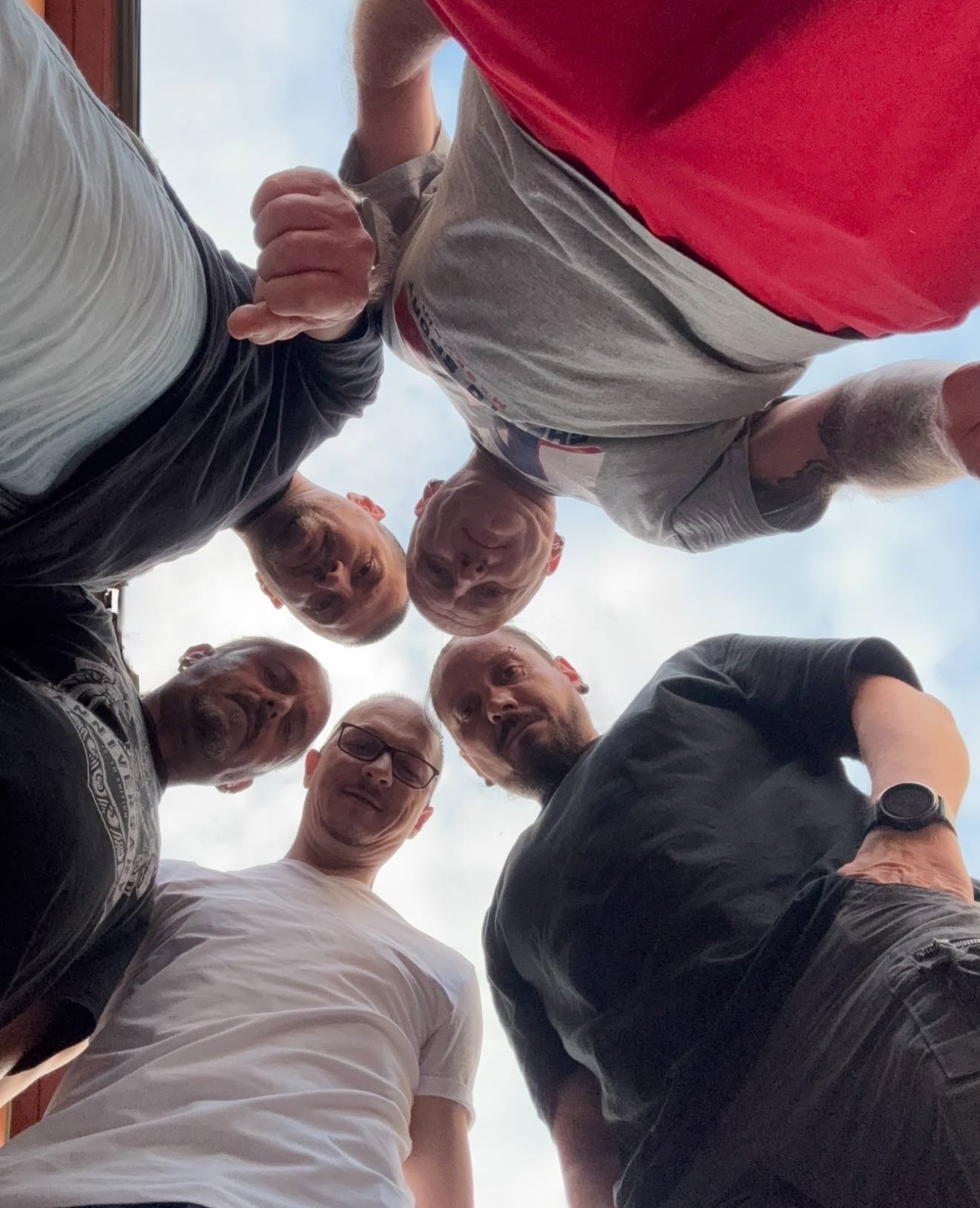
Another period of rebuilding followed. Otty Babics started working on new compositions, and we found our new voice in Biggie (Bogdan Gaspar). With Miță Subota on guitar and backing vocals, alongside the rest of the line-up, we began shaping a new sound.
At first there were four or five new songs, which gradually entered our live set alongside the older numbers that audiences knew and requested. It wasn't about going back to the past; it was about carrying the story forward with fresh material and the same identity.
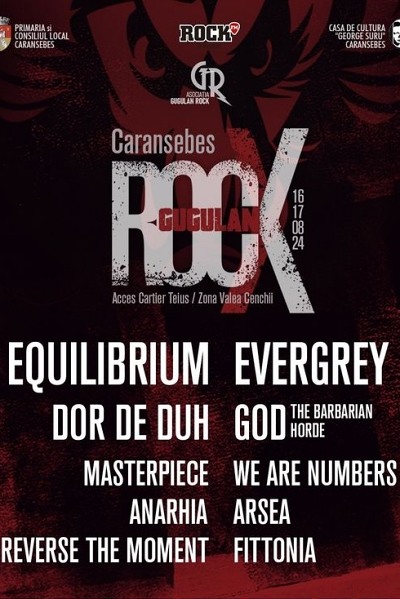
Three years after the comeback that brought the band back to life, we returned to Gugulan Rock Open Air in Caransebeș. The festival took place from 16 to 18 August 2024 in the Valea Cenchii area, and we played on Friday, 16 August, its opening day.
That day, we took the stage after Fittonia and Reverse The Moment, followed by Dor De Duh and Equilibrium. This time we returned to Gugulan with a new line-up, featuring Biggie (Bogdan Gaspar) on vocals.
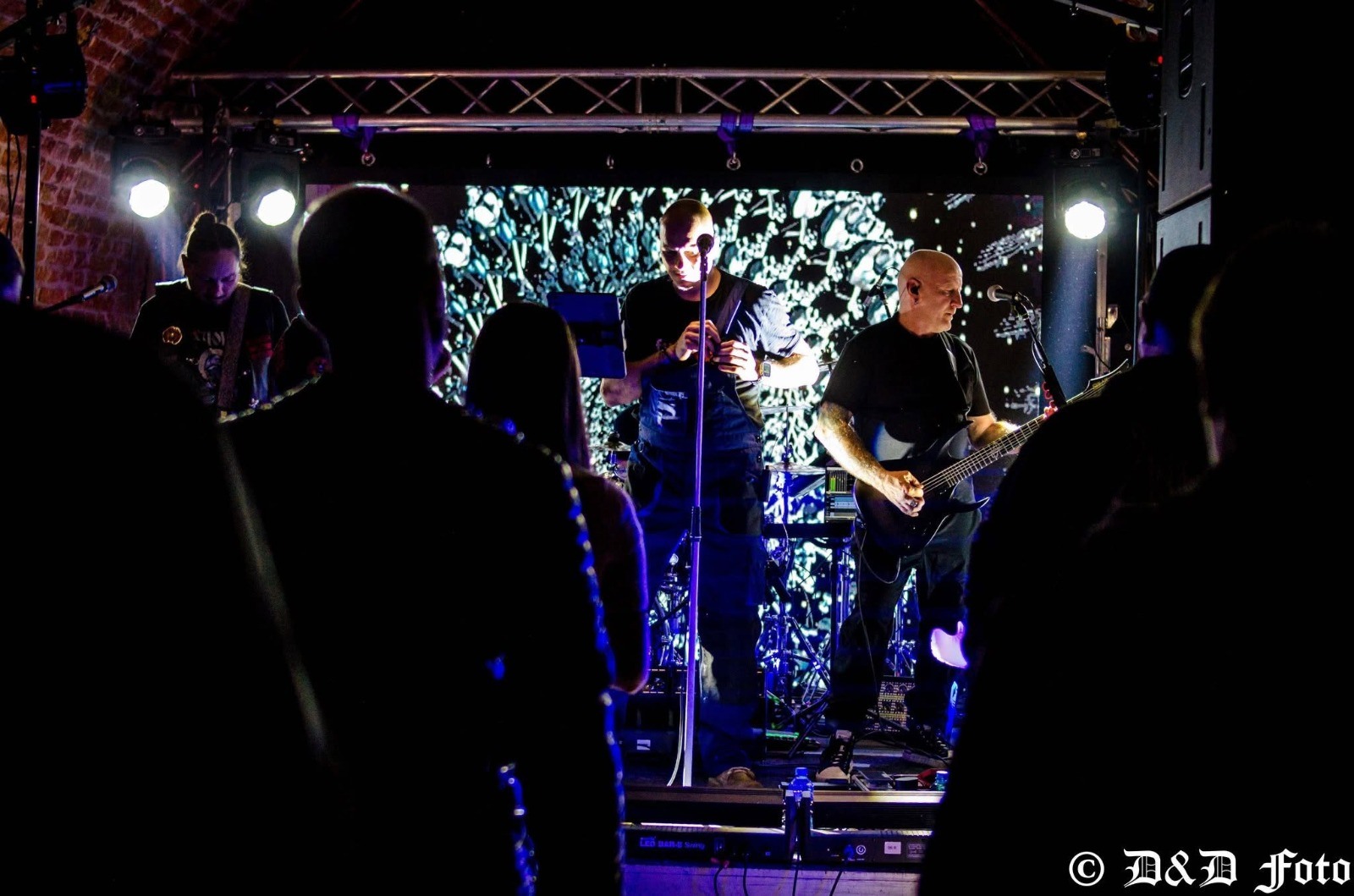
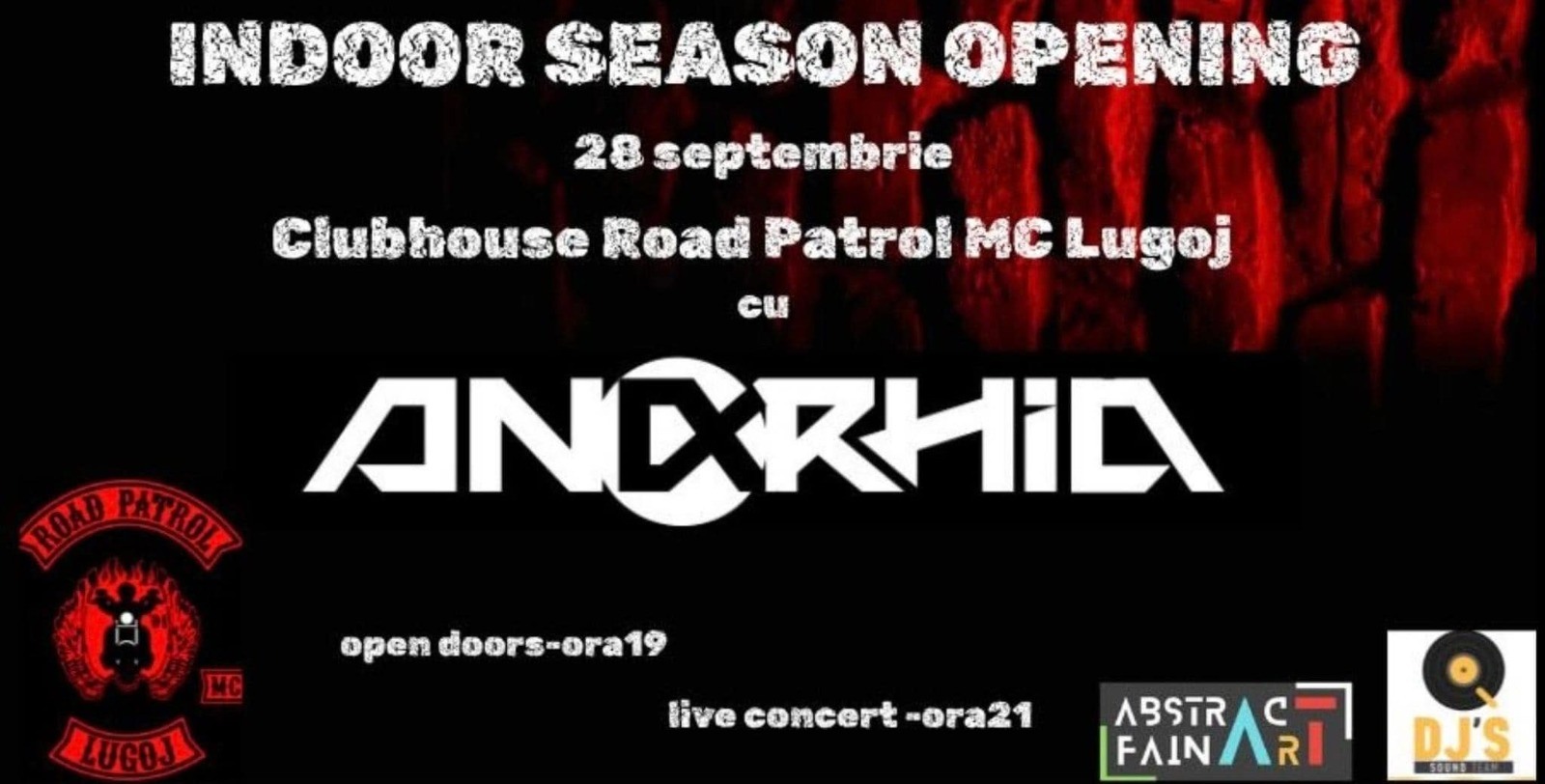
We played the first concert of this chapter back home, at the Road Patrol MC clubhouse in Lugoj. It was a meeting with the local audience, our friends and those who had always supported the band. A particularly meaningful concert, because home will always be home.
We took part in We Are The Underground Metal Fest, held over two days at Club Quantic in Bucharest. The bill also included GOD The Barbarian Horde, TAINE, Cronos, L.O.S.T., Grimegod and Gothic.
We also made it to Petroșani for the second indoor edition of Rock The Valley Fest, held at The Station club.
We played on the second evening alongside Crumble, Gri and Imund. It was another concert where the new songs began finding their place beside the ones that had accompanied generations of fans.
In spring 2026, we went through another line-up change. We had to end our collaboration with Biggie (Bogdan Gaspar), whom we thank for everything he did with the band and for his contribution to this chapter of the Anarhia story.
The microphone was taken over by Luci Avramescu, an experienced vocalist also known for his work with Mist and Architect of Chaos.
With Luci on vocals, we played River Party Lugoj and later Nemesis Art Club in Timișoara. It was a new chapter, with a line-up continuing to perform both the band's older songs and its new compositions.
We opened the second edition of River Party Lugoj. The show took place on the first evening, a Friday, alongside Apocalips.
It was an important concert for the band, held in the very town where the Anarhia story began in 1988. Lugoj was, and remains, where this story has its roots.
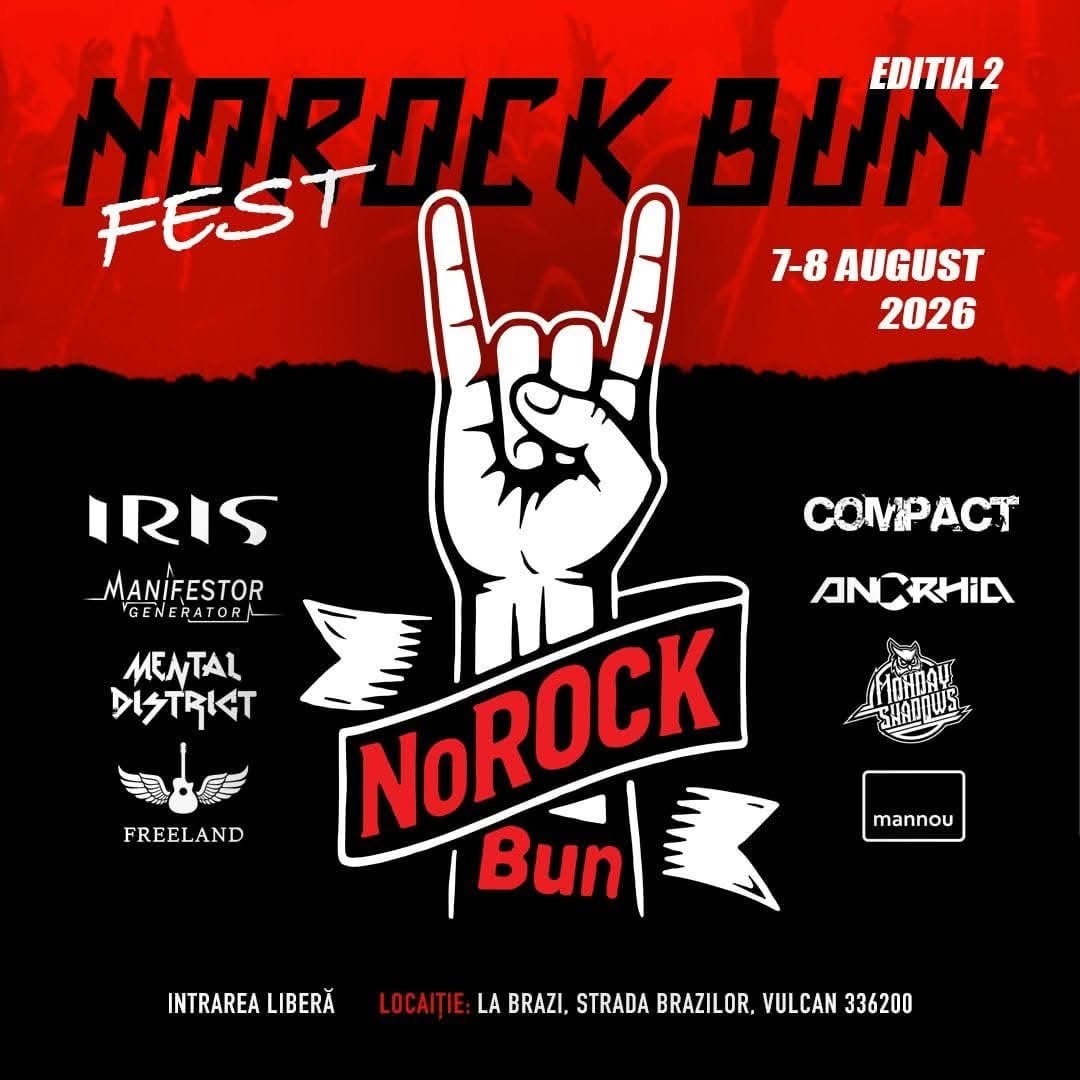
In August, we also travelled to Vulcan for the second edition of NoRock Bun Fest, a festival bringing together rock music and the motorcycle community of the Jiu Valley. We played on the second day alongside Mannou, Monday Shadows and Compact.
After more than 30 years, we returned to a stage in Timișoara, this time at Nemesis Art Club.
It was an intense show in which established songs met new ones, complemented by visual elements. An emotional, energetic return to a city that played an important part in the band's history.
14. What is the current line-up, and how has the musical direction evolved in recent years?
QUESTION
Open Metal Album Library: What is the current line-up, and how has the musical direction evolved in recent years?
FANE LIVADARIU / ANSWER
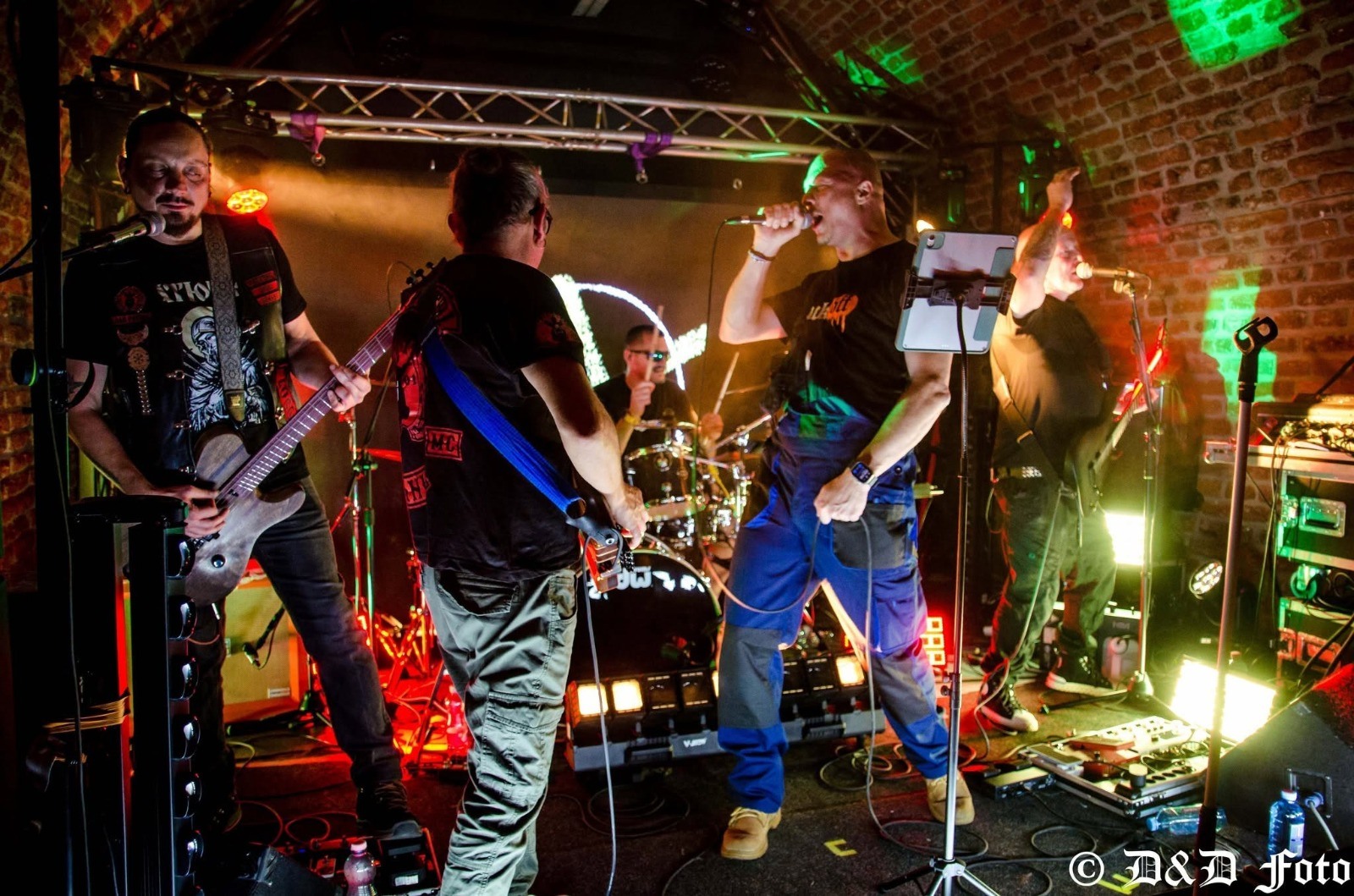
Fane Livadariu: Today, Anarhia carries on with this line-up:
• Otty Babics – guitar
• Livadariu Fane – bass
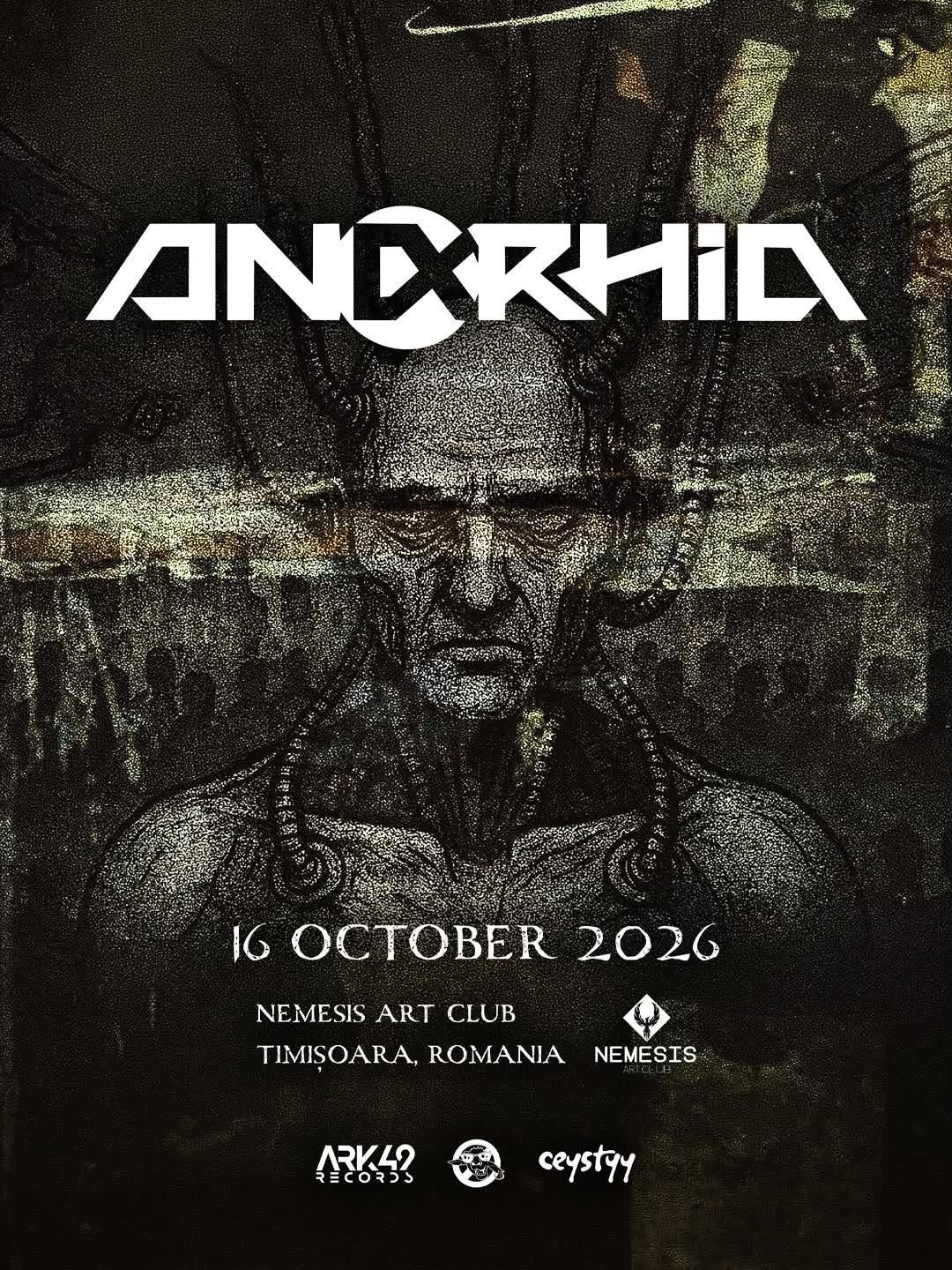
• Marius Bosneac – drums
• Miță Subota – guitar and backing vocals
• Luci Avramescu – vocals
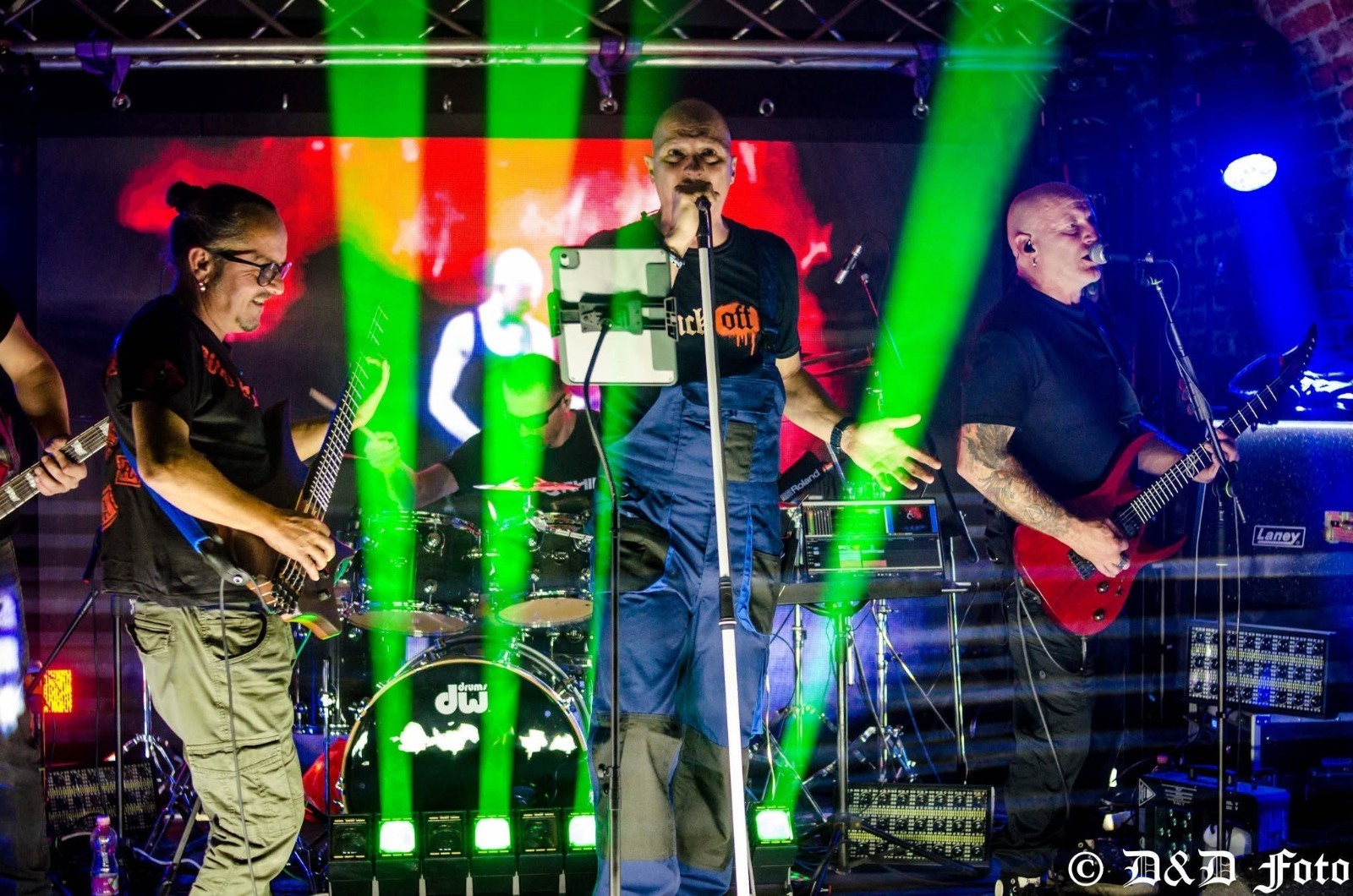
The story doesn't end here. We are preparing a new album, scheduled for spring 2027.
This time, every song on the forthcoming record is composed by Otty Babics. It is a new chapter for us, with our current line-up, fresh ideas and the desire to carry the spirit of Anarhia forward.
This is the draft cover for our future album, which we want to call “Trăiește”.
15. What would you like future generations who never experienced the 1990s to remember about Anarhia?
QUESTION
Open Metal Album Library: What would you like future generations who never experienced the 1990s to remember about Anarhia?
FANE LIVADARIU / ANSWER
Fane Livadariu: From 1988 to today, generations have come and gone; line-ups, instruments, stages and times have changed. But some things have remained: friendship, the stubborn determination to play what you feel and the refusal to do things simply because they're fashionable.
We carry on with ANARHIA!