


Kiril Petrov (FrostHammeR) – Iudicium
14 questions, 14 answers · email interview · 3 November 2026 · published with the participant’s permission.
14 questions, 14 answers · email interview · 3 November 2026 · published with the participant’s permission.
Your beginnings and musical background
QUESTION
What was your youth like in Bulgaria in the early 1990s? How did you discover metal, and which albums, musicians, or personal experiences influenced you most? Was there a particular moment when you decided that you wanted to play this kind of music yourself?
KIRIL PETROV / ANSWER
My youth in Bulgaria in the early 1990s was marked by a contradictory period. There was instability and uncertainty, and the old world was falling apart while a new one was yet to take shape. Metal music was much more than a musical preference; it was a way to express yourself, escape the surrounding chaos, and create your own world.
Joining Iudicium
QUESTION
How did you meet the band members, and how did you become involved in Iudicium? What do you know about the predecessor band Malformation, the name change, and the original vision? What were the personal and creative relationships among the musicians like?
KIRIL PETROV / ANSWER
I met the people from Iudicium through music and our shared interests in the extreme metal scene. I joined the band shortly before the recording of Nocturnal Nebula, initially in connection with the band's concert activities. I then remained with the band, and we continued working together on the album.
The early releases
QUESTION
What do you know about how The Onset (1995) and May Will Be September (1996) came about? How did the band’s sound and musical direction evolve during those years? What stories do you know about the recordings, the response at the time, and the circumstances surrounding the first releases?
KIRIL PETROV / ANSWER
I was not involved in the recordings of The Onset or May Will Be September, so I cannot speak about their creation from personal experience. These releases are an important part of Iudicium's history. My personal involvement with the band is connected with Nocturnal Nebula.
The making of Nocturnal Nebula
QUESTION
How did Nocturnal Nebula (1997) come together? Where did the musical ideas originate, how did you write together, and which parts did you personally contribute to? Was there a particular song or guitar passage with a special story behind it?
KIRIL PETROV / ANSWER
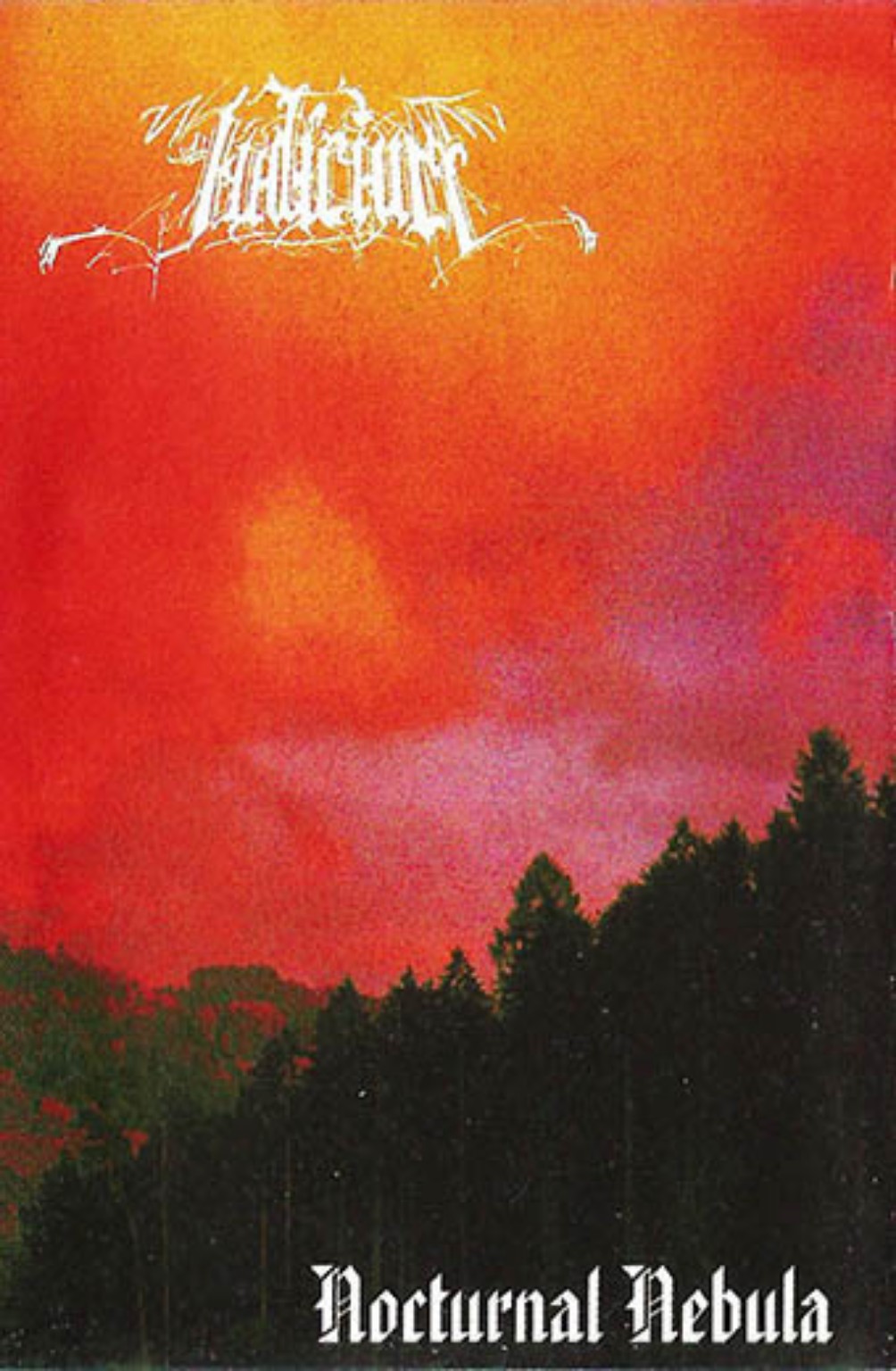
Nocturnal Nebula was created by Lord George and me. We worked together on the music and compositions, while the vocals were performed by Count Vassilium. The album was subsequently released by Wizard Bulgaria.
The studio and the sound
QUESTION
What were the recording conditions like? What equipment did you use, who worked with you, and what technical or financial difficulties arose? One retrospective account suggests the band wasn’t entirely satisfied with the album’s sound. Was that true, and if so, why?
KIRIL PETROV / ANSWER
The recordings of Nocturnal Nebula took place in a studio in the town of Dupnitsa, Bulgaria. Personally, I am not satisfied with the final sound of the album. Nevertheless, we managed to bring our musical ideas to life and release the recording, working with the equipment and resources available to us at the time.
Worldview, philosophy, and ideology
QUESTION
What did black metal mean to you at the time beyond the music itself? Which philosophical, religious, historical, or social ideas influenced you? How did you and the other members approach paganism, Christianity, mythology, and the rebellious spirit associated with black metal? Did the band share a common worldview, or did each member understand these things differently?
KIRIL PETROV / ANSWER
Satan was a central reference point in my understanding of black metal. I was interested in occultism, mysticism, dark philosophy, and the pursuit of knowledge beyond commonly accepted religious and moral conventions. To me, Satan represented individualism, free will, rebellion against imposed limitations, and the pursuit of self-knowledge. Black metal was the natural musical expression of these explorations.
Historical and cultural influences
QUESTION
To what extent did Bulgarian history, Balkan traditions, folklore, or historical legends influence Iudicium’s music and lyrics? Were there books, historical figures, or events that particularly inspired you?
KIRIL PETROV / ANSWER
Historical and cultural influences – Bulgarian history, Balkan traditions, folklore, and historical legends did not influence the music I created with Iudicium.
Bulgaria in the 1990s
QUESTION
How did you experience the political, economic, and social changes following 1989? How did they affect everyday life, your outlook, and the band’s activities? Was black metal, for you, a form of escape, protest, or a way of creating an independent intellectual and artistic world?
KIRIL PETROV / ANSWER
Bulgaria in the 1990s – the changes after 1989 did not prevent me from living well. I generally perceived that period as a time of new opportunities and greater freedom. I have never had any sympathy for the communist system or its ideology. To me, the fall of the regime marked the end of something with which I had never identified. I believe that everyone should have the freedom to choose their own beliefs, lifestyle, and direction in life. Black metal was part of that independence – a world of our own, where we could express our ideas without the limits of conventional thinking.
The Bulgarian underground
QUESTION
What was the Bulgarian extreme-metal scene like between 1994 and 1997? How did you obtain instruments, foreign albums, demo tapes, and information? What relationships did you have with other bands, fanzines, and concert organizers? Who were the important people of that era who have since been largely forgotten?
KIRIL PETROV / ANSWER
The Bulgarian underground, 1994 to 1997. It was a difficult time. Access to instruments, records, and information was limited. Tapes and foreign albums circulated slowly, mainly through friends and trading. Information about bands and new releases often reached us with considerable delay. Connections between musicians and bands were mostly personal and informal, built around shared musical interests and a passion for extreme music.
Concerts and personal stories
QUESTION
What do you remember about Iudicium’s live performances, especially the 1997 Summer Chaos festival? What were the audiences and the live scene like? Did anything unusual, funny, moving, or unexpected happen during rehearsals, recording sessions, or gigs that you’ve never shared publicly?
KIRIL PETROV / ANSWER
I remember Iudicium's concert activities, including Summer Chaos in 1997. The atmosphere of the extreme metal scene at that time was unique, raw, independent, and full of enthusiasm. Many experiences from rehearsals, recordings, and concerts remained personal memories from that period.
The band’s breakup
QUESTION
What actually led to Iudicium’s end? Were the reasons personal, musical, financial, or something else? How did you experience that period, and how do you look back on it now? Were there unfinished songs, plans, or ideas that never came to fruition?
KIRIL PETROV / ANSWER
Iudicium disbanded after the release of its final album. That was the end of one period and the beginning of a new chapter in my musical path. I prefer not to speculate about the reasons or speak for the other members. I can only share my own experience.
ORK and the years that followed
QUESTION
How did your collaboration with Count Vassilium develop in ORK? What did you carry over from Iudicium, and how did your musical ideas change? Was there ever a serious attempt to reform Iudicium later on?
KIRIL PETROV / ANSWER
After Iudicium disbanded, Count Vassilium and I founded ORK. That was the beginning of a new creative period where we developed our music in a different direction. We carried some experience with us, but ORK developed its own sound and identity.
The personal legacy
QUESTION
Looking back today, what does Iudicium mean to you? How did it change you as a person or musician? Which memory, story, or lesson from that time would you most want to preserve for future generations?
KIRIL PETROV / ANSWER
Looking back today, Iudicium remains an important part of my musical journey. That period gave me the opportunity to work with other musicians, develop my own ideas, and contribute to an album that remains part of the history of the Bulgarian extreme metal scene. What matters most to me is that Nocturnal Nebula was the result of our creative work and an expression of our musical explorations at the time.
Forgotten people and historical corrections
QUESTION
Are there people, events, or stories from Iudicium’s past that existing online sources have missed entirely? Have you seen incorrect dates, musicians’ credits, or other misunderstandings? And could you perhaps help us get in touch with Count Vassilium or any other original contributors?
KIRIL PETROV / ANSWER
Regarding Count Vassilium, as far as I know, he is not involved in initiatives of this kind and does not give interviews or provide historical accounts, so I cannot help arrange contact with him. I can only share my own memories and information related to my personal involvement.